
Did your Valentine’s Day in February pass by a little… too quietly?
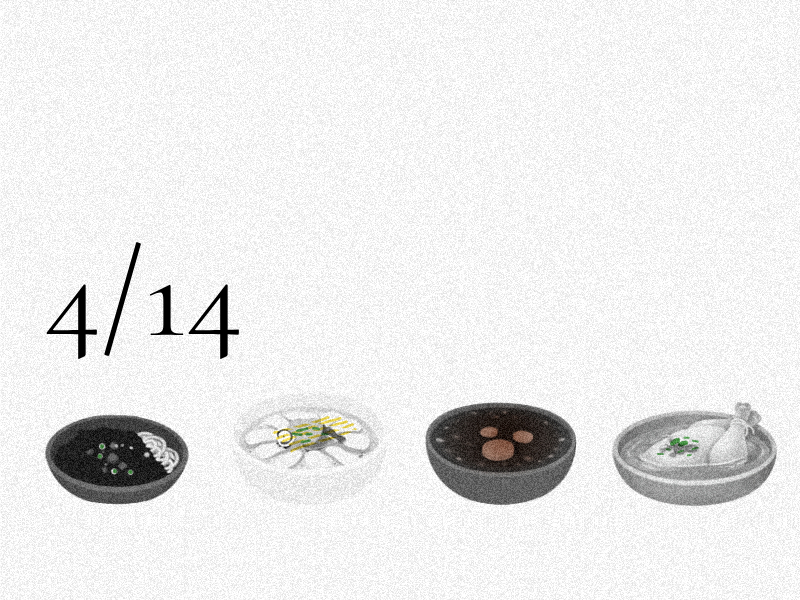
If so, don’t feel bad! In Korea, we have a special backup plan called ‘Black Day’ on April 14th. Essentially, it’s a day for singles to gather and dive into a bowl of Jajangmyeon—noodles topped with a thick, pitch-black bean sauce. In fact, we literally eat our feelings in the form of black noodles to comfort each other.
Furthermore, it’s not just about the singles. Koreans are practically obsessed with matching specific foods to specific dates. To illustrate this, here is a delicious guide to a year in Korea, from ancient seasonal wisdom to modern-day fun!
Starting the Year with New Year Traditions
Tteokguk (Rice Cake Soup): On New Year’s Day, we eat this milky white soup. As a result, you haven’t officially aged a year until you’ve finished your bowl! Moreover, the white rice cakes represent a clean start and a wish for a bright year.
Jeongwol Daeboreum (Lunar Jan 15): On this day, we eat five-grain rice to wish for a bountiful harvest. We also crack open hard nuts with a loud “CRACK!”—an old-school beauty ritual believed to keep your skin smooth and healthy throughout the year.
Spring Alarms and Summer Energy Boosts
Ipchun (Spring Beginnings): To wake up our taste buds from winter hibernation, we eat Osinban, five pungent spring greens. It’s Korea’s natural multivitamin shot!
Samgyetang (Ginseng Chicken Soup): When it’s scorching hot in July and August, we don’t just blast the AC; we eat boiling hot soup! Consequently, this “Iyeol-chiyeol” (fighting heat with heat) philosophy helps us sweat it out and recharge our stamina.
Autumn Harvest and Winter Solstice
Songpyeon (Chuseok): These half-moon-shaped rice cakes are stuffed with sweet fillings. Notably, there’s a legend that if you shape your Songpyeon beautifully, you’ll have a beautiful child, so everyone takes their “crafting” very seriously!
Patjuk (Red Bean Porridge): On the longest night of the year in December, we eat red bean porridge. Specifically, we do this because ghosts supposedly hate the color red.
Heartfelt Traditions and Fun Rituals
Birthday Seaweed Soup (Miyeok-guk): In Korea, birthdays aren’t just about cake; they’re about Miyeok-guk. Traditionally, this soup is the first thing a mother eats after giving birth. Seaweed is a superfood packed with iodine and calcium, making it essential for a mother’s recovery and replenishing the blood. By eating this on our birthdays, we honor our mothers’ sacrifice and remember the very first meal that nurtured us. It’s a bowl of pure gratitude (and it’s incredibly healthy, too!)

Exam Day Rituals: We eat sticky rice cakes (Chapsal-tteok) to “stick” to our goal and pass the exam. On the other hand, we NEVER eat seaweed soup on exam day. Since seaweed is slippery, we’re terrified that our grades might “slip away”!
Koreans eat specific seasonal foods because it’s the smartest way to stay healthy by following nature’s rhythm. Since our bodies need different nutrients in each season, eating what’s fresh at that time was a natural way to boost health. Ultimately, these seasonal dishes are more than just meals; they represent a wise lifestyle of staying in harmony with nature to take care of both body and mind.