
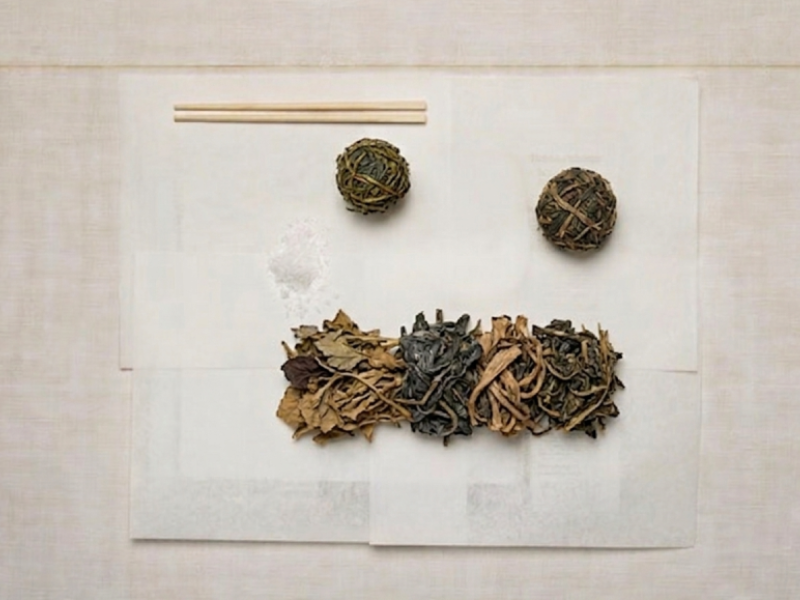
I recently visited a traditional market. There’s a certain vibrant energy that only comes with spring—a mix of lively voices and the refreshing scent of herbs that instantly wakes up the appetite. Among the rows of bright, fresh greens, I found myself reaching for a few bags of ‘Geon-namul’ (dried vegetables).
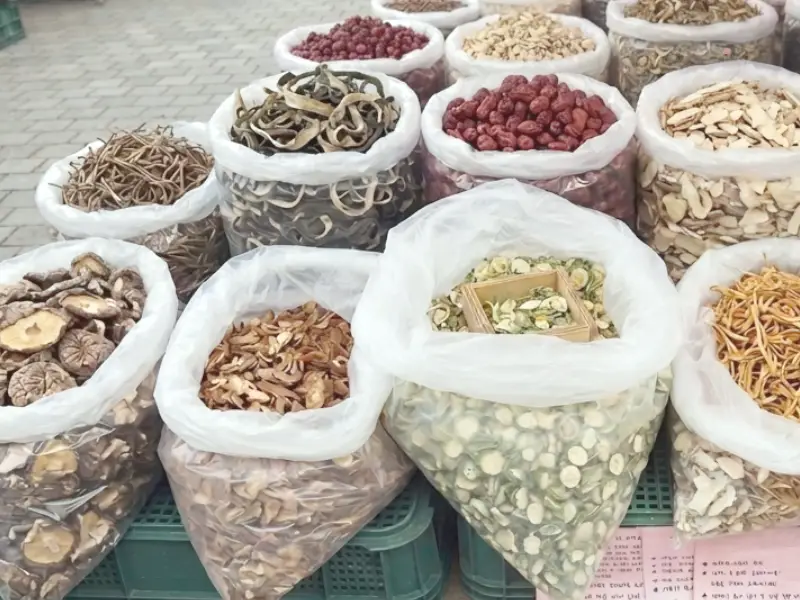
While the crispness of seasonal spring greens is lovely, I’ve always been drawn to the deep, concentrated flavors of dried ones. They possess a unique texture and aroma that fresh vegetables simply cannot replicate—a taste perfected by time and patience.
A Gift from the Sun and Wind
The culture of drying vegetables in Korea was born from the wisdom of our ancestors, who had to navigate four distinct seasons. During the harsh winters and early spring when fresh produce was scarce, these dried greens served as a vital source of vitamins and dietary fiber. It wasn’t just a tradition to eat ‘mukeun-namul’ (aged greens) on the first full moon of the year to ward off the summer heat; it was a practical way to prevent nutritional deficiencies.
The magic happens during the drying process. As the moisture evaporates, minerals like calcium and iron, along with dietary fiber, become highly concentrated. Moreover, when dried under the sun, they develop Vitamin D, making them an excellent natural supplement for bone health.
My Favorite One-Pot Comfort: Pork & Dried Vegetable Rice
One of the reasons I love working with dried vegetables is their versatility. Since the preparation is similar across different types, I often make several kinds at once to enjoy in ‘bibimbap’ for days. But my absolute favorite way to enjoy them is by cooking them directly with rice in an electric pressure cooker to achieve that perfect, chewy-yet-tender texture.
My secret recipe is simple: I start by layering pieces of roasted pork (seasoned with garlic and salt) at the bottom of the pot. Then, I add the rinsed rice or mixed grains, and finally, a generous heap of washed dried vegetables on top.
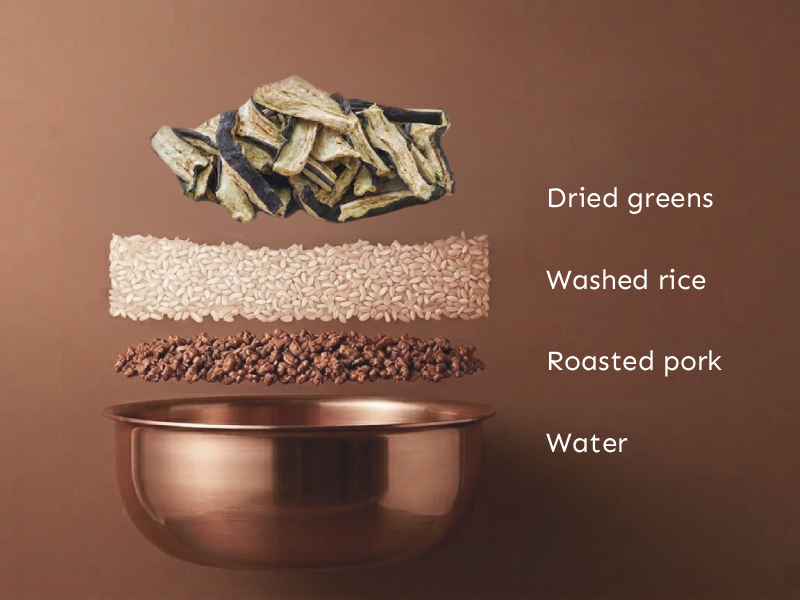
This layering creates a beautiful nutritional synergy. The natural fats from the pork help our bodies absorb the fat-soluble vitamins (like Vitamin A and K) found in the greens. As the rice cooks, the pork fat lightly coats each grain, while the deep aroma of the dried herbs infuses the entire pot. When it’s done, I top it with a savory sauce made of soy sauce, chili powder, sesame seeds, and sesame oil. It’s a moist, savory, and incredibly comforting meal that truly needs no words.
The Art of Making Your Own
If you have an Asian market nearby, you can easily buy them, but there is something so rewarding about drying them yourself. It’s clean, safe, and surprisingly easy. I recommend starting with accessible vegetables like radish or eggplant.
Cut the radish into 5cm long, 1cm thick strips, or slice the eggplant into 4–6 longitudinal pieces. Keep in mind that they shrink to less than a third of their original size, so slicing them a bit thicker than usual ensures a better “bite.” Spread them out on a tray so they don’t overlap, and let them dry in a well-ventilated spot with partial shade or soft sunlight. Give them a little toss now and then, and soon you’ll have perfectly dried greens. Once they are bone-dry and crisp, store them in a zipper bag in a cool place or the freezer.
In our fast-paced lives, there is something beautiful about slow food made with ingredients that have waited for their turn. I hope the rich aroma of the pork and the chewy texture of the herbs bring a sense of warm, grounding energy to your table, just as they do to mine.
Dive Deeper into Korean Culinary Heritage > To explore the sophisticated art of Korean royal cuisine and traditional food preparation, visit the Korean Royal Cuisine Culture Foundation on Google Arts & Culture. It’s a wonderful resource to see the historical roots of ‘Namul’ and the elegance of Korean dining. ➔ ➔