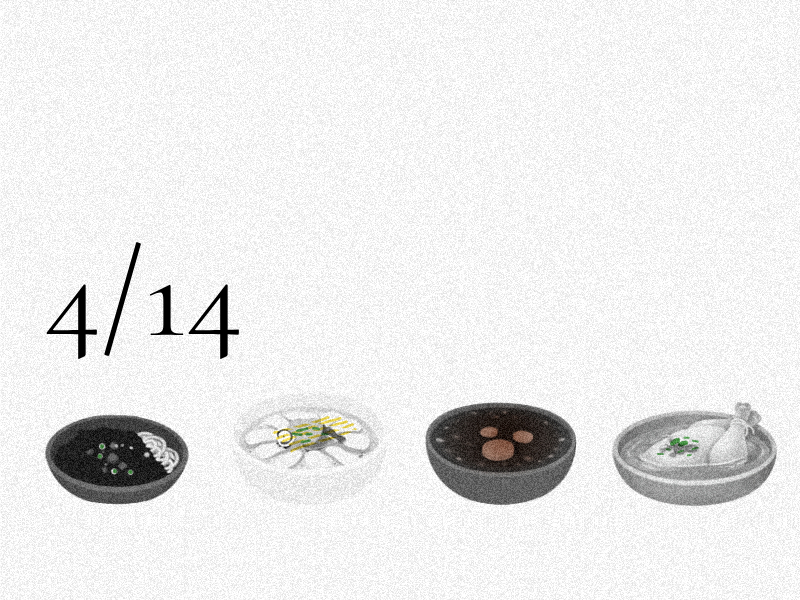
Did your Valentine’s Day in February pass by a little… too quietly?
If so, don’t feel bad! In Korea, we have a special backup plan called ‘Black Day’ on April 14th. Essentially, it’s a day for singles to gather and dive into a bowl of Jajangmyeon—noodles topped with a thick, pitch-black bean sauce. In fact, we literally eat our feelings in the form of black noodles to comfort each other.
Furthermore, it’s not just about the singles. Koreans are practically obsessed with matching specific foods to specific dates. To illustrate this, here is a delicious guide to a year in Korea, from ancient seasonal wisdom to modern-day fun!
Starting the Year with New Year Traditions
Tteokguk (Rice Cake Soup): On New Year’s Day, we eat this milky white soup. As a result, you haven’t officially aged a year until you’ve finished your bowl! Moreover, the white rice cakes represent a clean start and a wish for a bright year.
Jeongwol Daeboreum (Lunar Jan 15): On this day, we eat five-grain rice to wish for a bountiful harvest. We also crack open hard nuts with a loud “CRACK!”—an old-school beauty ritual believed to keep your skin smooth and healthy throughout the year.
Spring Alarms and Summer Energy Boosts
Ipchun (Spring Beginnings): To wake up our taste buds from winter hibernation, we eat Osinban, five pungent spring greens. It’s Korea’s natural multivitamin shot!
Samgyetang (Ginseng Chicken Soup): When it’s scorching hot in July and August, we don’t just blast the AC; we eat boiling hot soup! Consequently, this “Iyeol-chiyeol” (fighting heat with heat) philosophy helps us sweat it out and recharge our stamina.
Autumn Harvest and Winter Solstice
Songpyeon (Chuseok): These half-moon-shaped rice cakes are stuffed with sweet fillings. Notably, there’s a legend that if you shape your Songpyeon beautifully, you’ll have a beautiful child, so everyone takes their “crafting” very seriously!
Patjuk (Red Bean Porridge): On the longest night of the year in December, we eat red bean porridge. Specifically, we do this because ghosts supposedly hate the color red.
Heartfelt Traditions and Fun Rituals
Birthday Seaweed Soup (Miyeok-guk): In Korea, birthdays aren’t just about cake; they’re about Miyeok-guk. Traditionally, this soup is the first thing a mother eats after giving birth. Seaweed is a superfood packed with iodine and calcium, making it essential for a mother’s recovery and replenishing the blood. By eating this on our birthdays, we honor our mothers’ sacrifice and remember the very first meal that nurtured us. It’s a bowl of pure gratitude (and it’s incredibly healthy, too!)
Exam Day Rituals: We eat sticky rice cakes (Chapsal-tteok) to “stick” to our goal and pass the exam. On the other hand, we NEVER eat seaweed soup on exam day. Since seaweed is slippery, we’re terrified that our grades might “slip away”!
Koreans eat specific seasonal foods because it’s the smartest way to stay healthy by following nature’s rhythm. Since our bodies need different nutrients in each season, eating what’s fresh at that time was a natural way to boost health. Ultimately, these seasonal dishes are more than just meals; they represent a wise lifestyle of staying in harmony with nature to take care of both body and mind.
Itaewon is known for its food and shopping, but it’s also one of Seoul’s most inspiring neighborhoods for gallery hopping. Stretching from Hannam-dong to Itaewon, this area is perfect for a slow, thoughtful art walk. Here are six carefully selected galleries (plus one special archive space) that are well worth adding to your itinerary. Exhibition schedules may change, but each space is worth visiting for its atmosphere alone.
Leeum Museum of Art
Leeum Museum of Art is a landmark cultural destination in the Itaewon–Hannam area. The museum presents an impressive balance of Korean traditional art, modern works, and global contemporary art.
Designed by world-renowned architects such as Tadao Ando and Jean Nouvel, the building itself feels like a work of art. Even without entering an exhibition, simply walking through the space is a rewarding experience. It’s an ideal starting point for an Itaewon gallery tour.
Recommended for
First-time gallery hoppers in Itaewon Those who want to enjoy both art and architecture
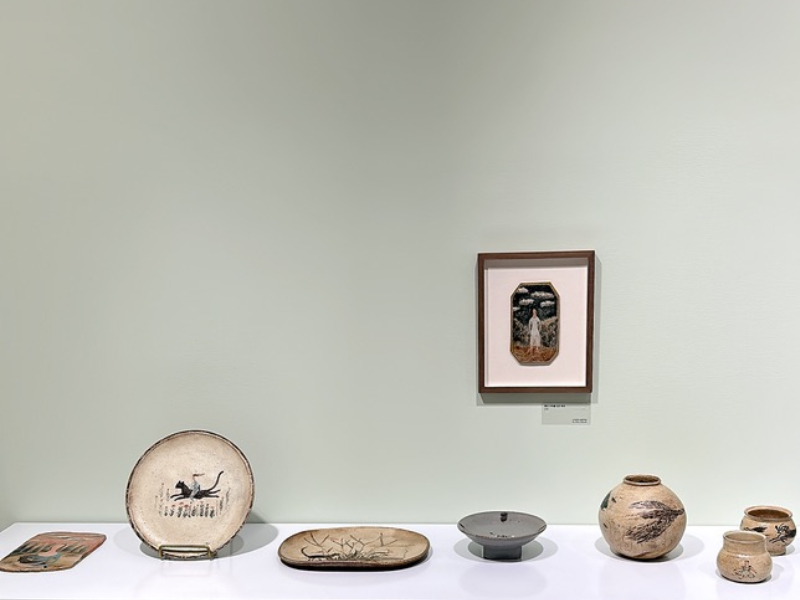
Albus Gallery presents exhibitions that gently explore contemporary visual culture with a warm, human sensibility. The space feels calm and intimate, allowing small, personal stories to surface naturally.
There is a distinct warmth and quiet wit in the curatorial approach, and from the moment you step inside, the gallery feels genuinely welcoming. For anyone visiting Itaewon, it’s highly recommended to check Albus Gallery’s exhibition schedule in advance.
Recommended for
Those who appreciate small, thoughtful exhibitions with a human touch Visitors who enjoy a calm, welcoming atmosphere over spectacle Anyone looking for a quiet, meaningful stop while exploring Itaewon
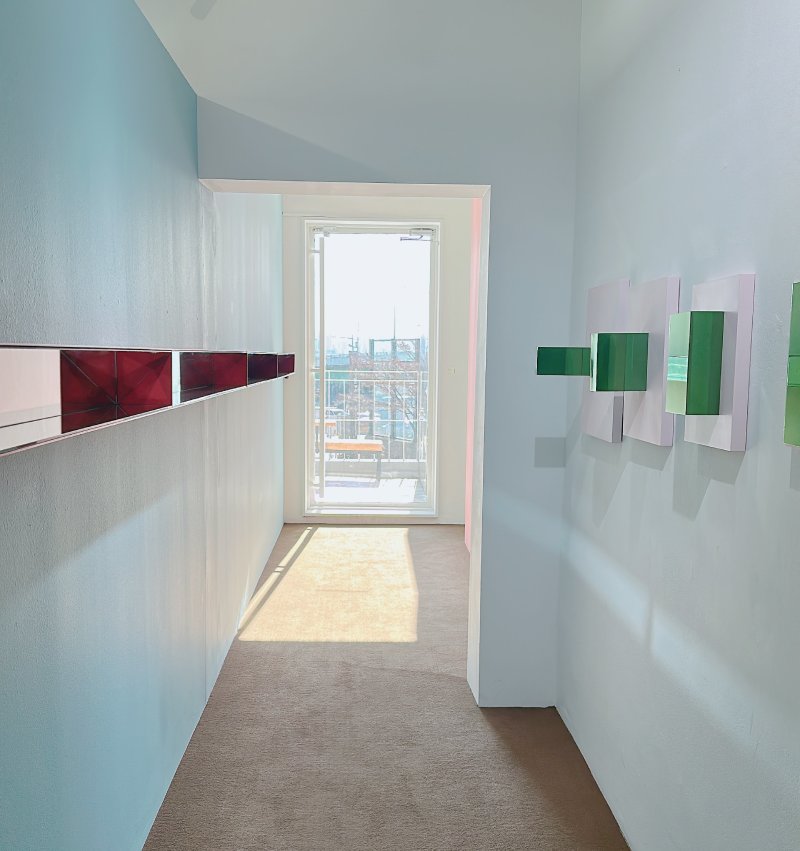
The Seoul outpost of the Berlin-based gallery Esther Schipper brings internationally recognized contemporary artists to the local scene. It’s a rare chance to experience global contemporary art in depth without leaving the city.
With its minimalist interior and highly polished exhibitions, the gallery leaves a particularly refined and lasting impression. As you move upward along the narrow staircase filled with natural light, the outside world gradually fades away, allowing you to become fully absorbed in the works on view.
Recommended for
Those interested in global contemporary art Visitors who value strong, thoughtful curation
Working With Friend operates more like a project space than a traditional gallery. Art, design, and brand collaborations intersect here in flexible and experimental ways.
Each exhibition feels different, and the space constantly evolves, making every visit feel fresh and unexpected. The vivid works bring a lively, youthful energy to the space, inviting visitors to enjoy art in a relaxed and social way. True to its name, it’s a place where you can take in the exhibition with friends and then unwind at the café on the ground floor, easing into a slower moment before moving on.
Recommended for
Those interested in the intersection of art and lifestyle Visitors who enjoy experimental exhibition formats
FOUNDRY SEOUL connects contemporary art with collector culture, showcasing works across painting, sculpture, and installation. The exhibitions are well-balanced and thoughtfully arranged.
With its relatively spacious layout and comfortable flow, it’s an excellent place to take your time and view artworks at a relaxed pace.
Recommended for
Visitors interested in collectible contemporary art Those who appreciate polished exhibition design
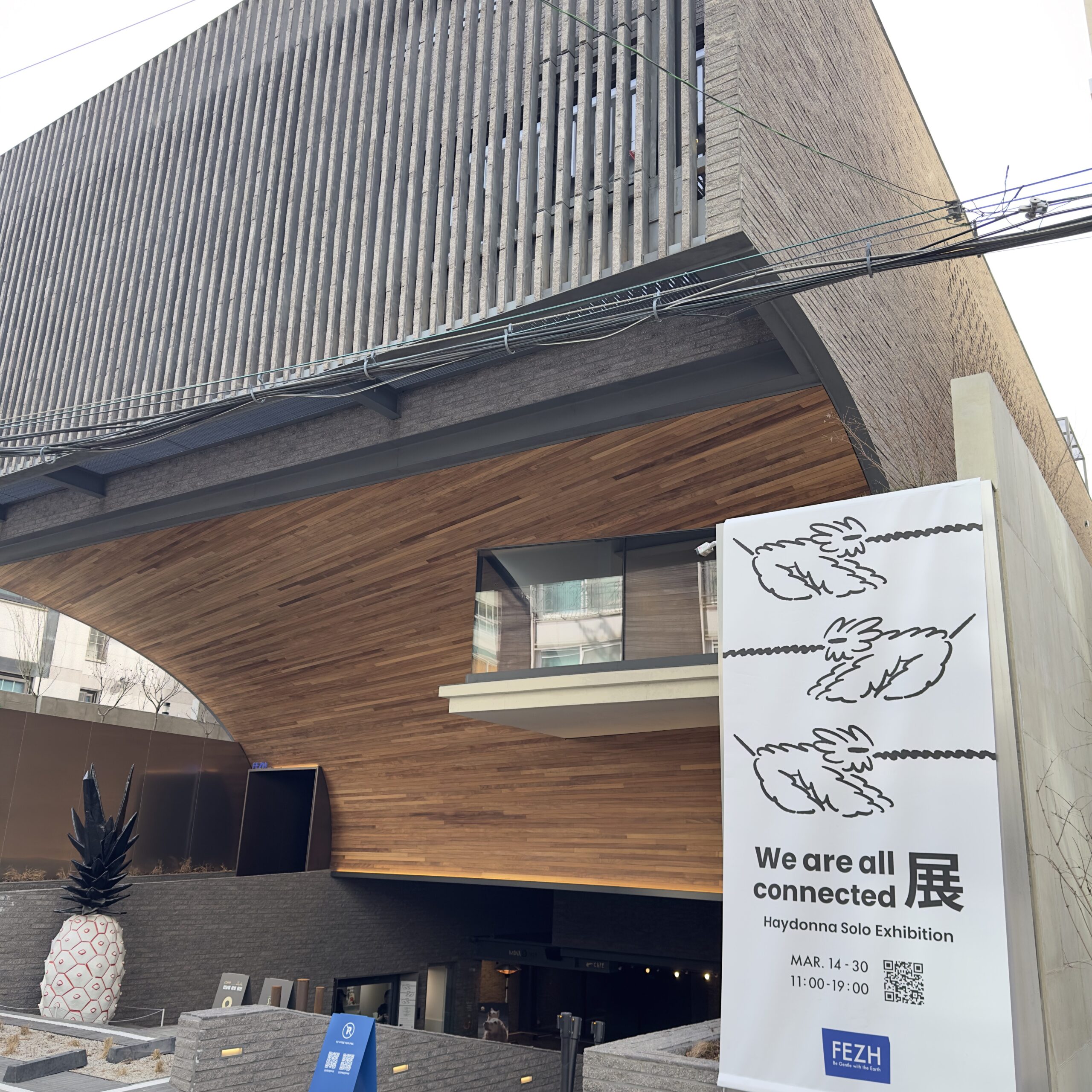
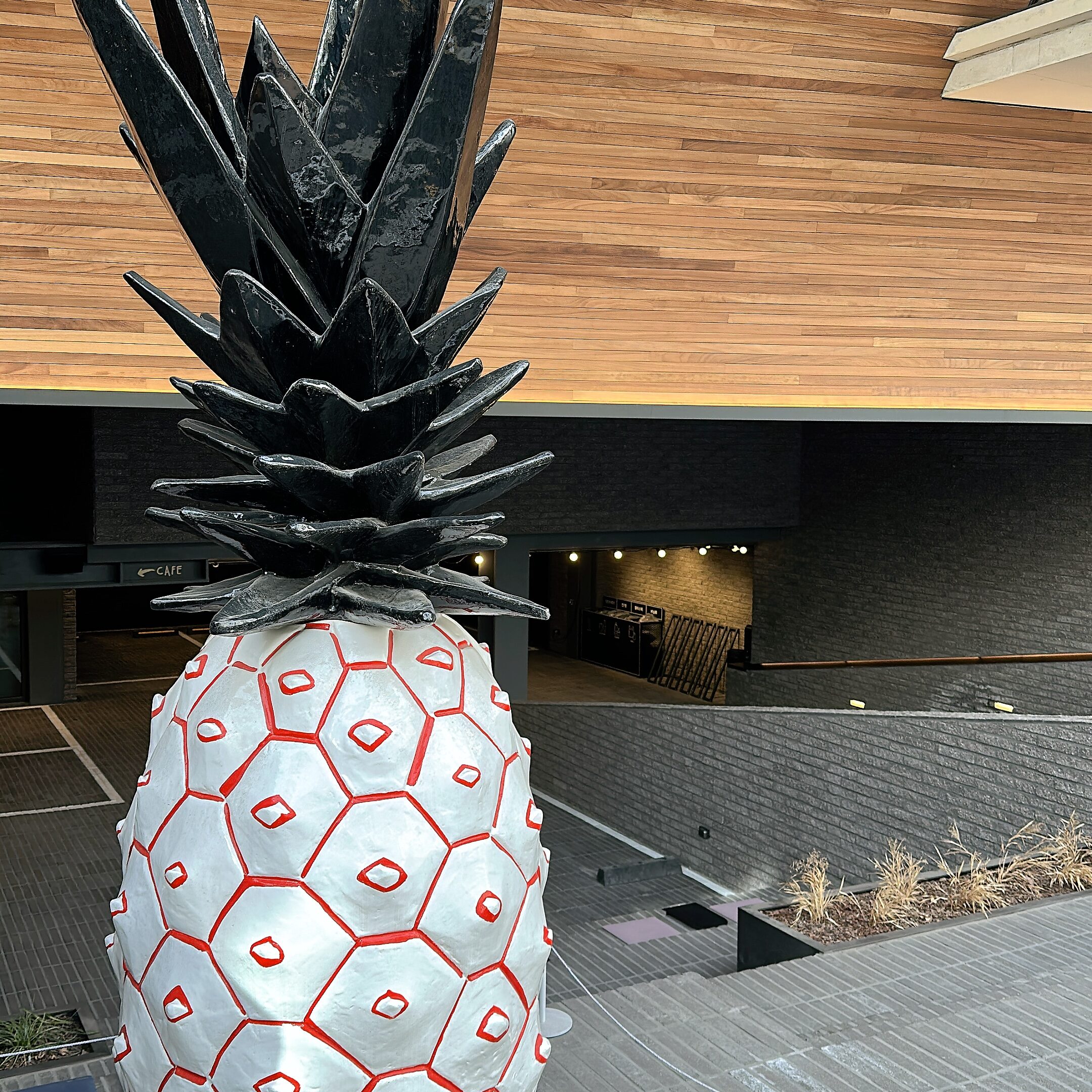
FEZH is a unique space where fashion, art, and street culture come together. Breaking away from the conventions of traditional galleries, it embraces a freer, more experimental approach to exhibitions and events.
Among Itaewon’s many creative spaces, FEZH best captures the area’s vibrant, edgy aesthetic and subcultural spirit.
Recommended for
Fans of bold, character-driven spaces Anyone who enjoys art as part of a broader cultural experience
While most of the places on this list focus on visual art, not every stop needs to be a gallery. Once you’ve had enough visual stimulation, it can be refreshing to pause and enjoy sound instead — spending a quiet moment with records and turntables before continuing your walk.
Hyundai Card Music Library
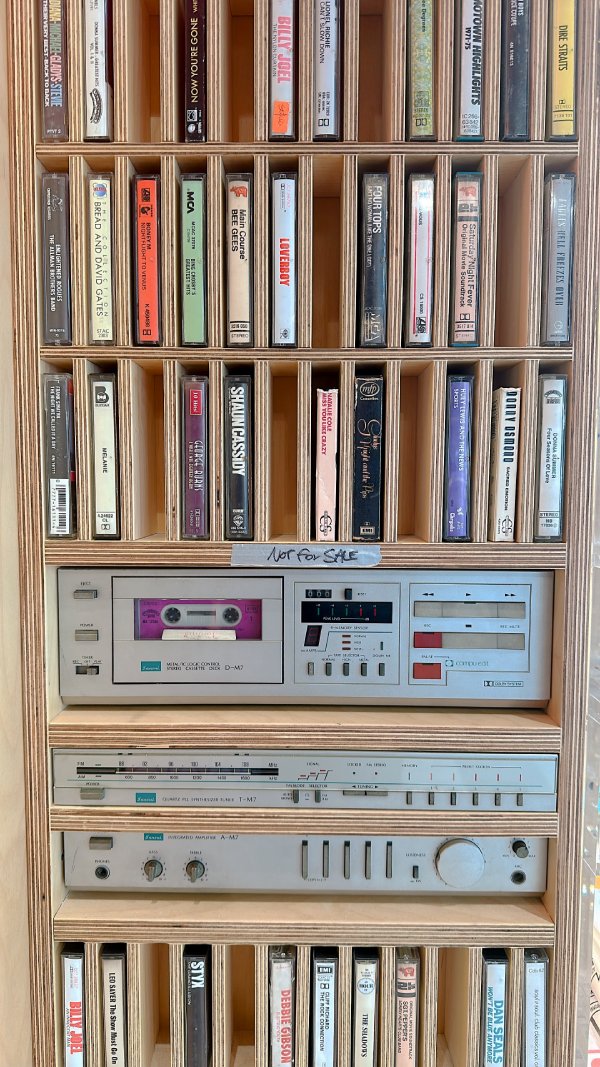
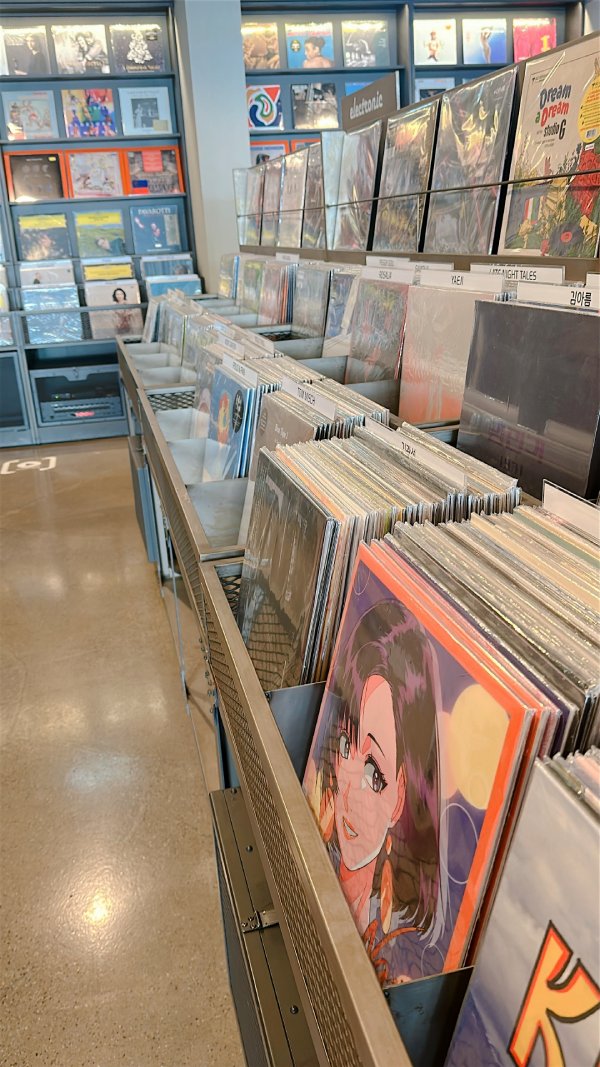
Hyundai Card Music Library is a carefully curated archive dedicated entirely to music. From vinyl records to rare albums and reference materials, the collection spans a wide range of genres and eras.
Rather than a space for exhibitions, it’s designed for slow listening and quiet exploration. The atmosphere is calm and focused, making it one of the best places in Itaewon to step away from the crowds and immerse yourself in sound.
Recommended for
Music lovers who enjoy discovering new sounds at their own pace Anyone looking for a quiet, reflective space in Itaewon
Itaewon’s charm can’t be defined by a single word. Walking through its galleries at an unhurried pace reveals why this neighborhood continues to hold such strong creative energy within Seoul.
Always check official websites or social media for exhibition schedules and closing days before visiting.
You Might Also Like “The art walk through Seoul continues. If you’re curious about exploring more galleries across the city, check out our [Previous Post: Seoul, A Walk Through Art: 10 Charming Galleries & Museums] for more inspiration. ➔ ➔
It feels like this tradition is disappearing with my generation. My parents might be the last generation to perform ‘Jesa’ (제사), the Korean Confucian ceremony of worshipping ancestors.
In my family, we held rites for ancestors up to my great-grandparents, so we had ‘Jesa’ several times a year. Since my father is the eldest son (Jangnam), these rituals always took place at our house.
As a child, I simply loved those days. All my cousins would gather, we didn’t have to do homework, and we played late into the night. It was just a fun party for us kids.
The Weight of Mother’s Labor
But the moment I discovered my mother’s toil, those days became a burden on my heart. Aside from the meaning of honoring ancestors, for the descendants living in reality—especially the women—it was a negative experience. How can I evaluate tradition? I can’t. But I certainly have the right to evaluate my mother’s hard work. Here is why.
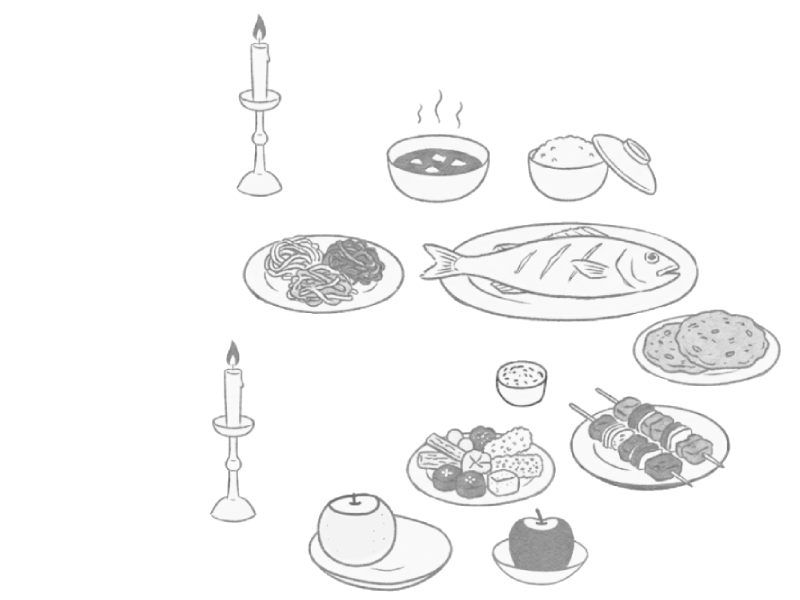
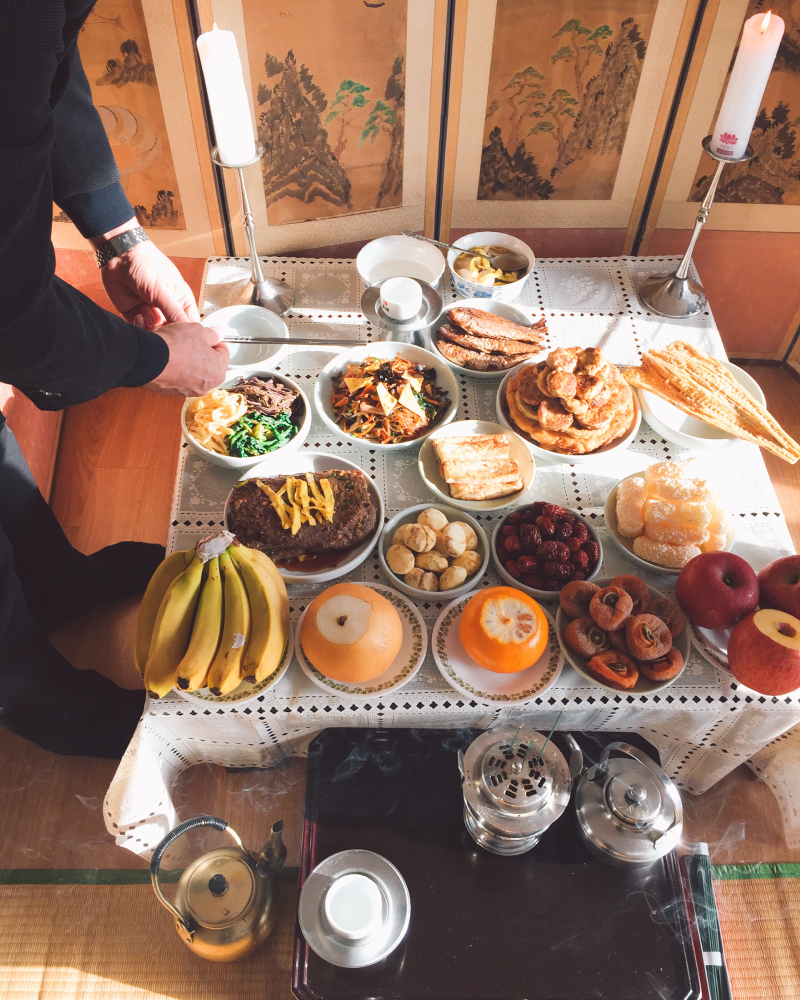
The food preparation begins a week in advance. There are mandatory menu items that must be on the table: Beef soup, rice, dried croaker (Gulbi), skewered meat (Sanjeok), three-color seasoned vegetables (Namul), various pancakes (Jeon), and Bindaetteok. Sometimes, we added special foods the ancestors preferred when they were alive.
My mother never did anything carelessly. She trimmed, cooked, and prepared everything with her whole heart, which required an immense amount of time and effort. On top of that, during major holidays like Seollal(Lunar New Year) and Chuseok, the same table setting and rituals (called Charye) were required.
The table was recently reduced to half its size, but every dish still demands time, care, and devotion.
The Ritual: Hunger and Strict Rules
Jesa was always held at night. We had to skip dinner before the ritual, so we started the ceremony clutching our hungry stomachs.
The table setting begins with reverence and caution. Food is placed on a low, wide table according to strict rules like “Hong-Dong-Baek-Seo” (Red foods on the East, White on the West) and “Eo-Dong-Yuk-Seo” (Fish on the East, Meat on the West). The tops of the fruits are cut off to make it easier for the ancestors to eat. We light incense and candles to signal our location to the spirits.
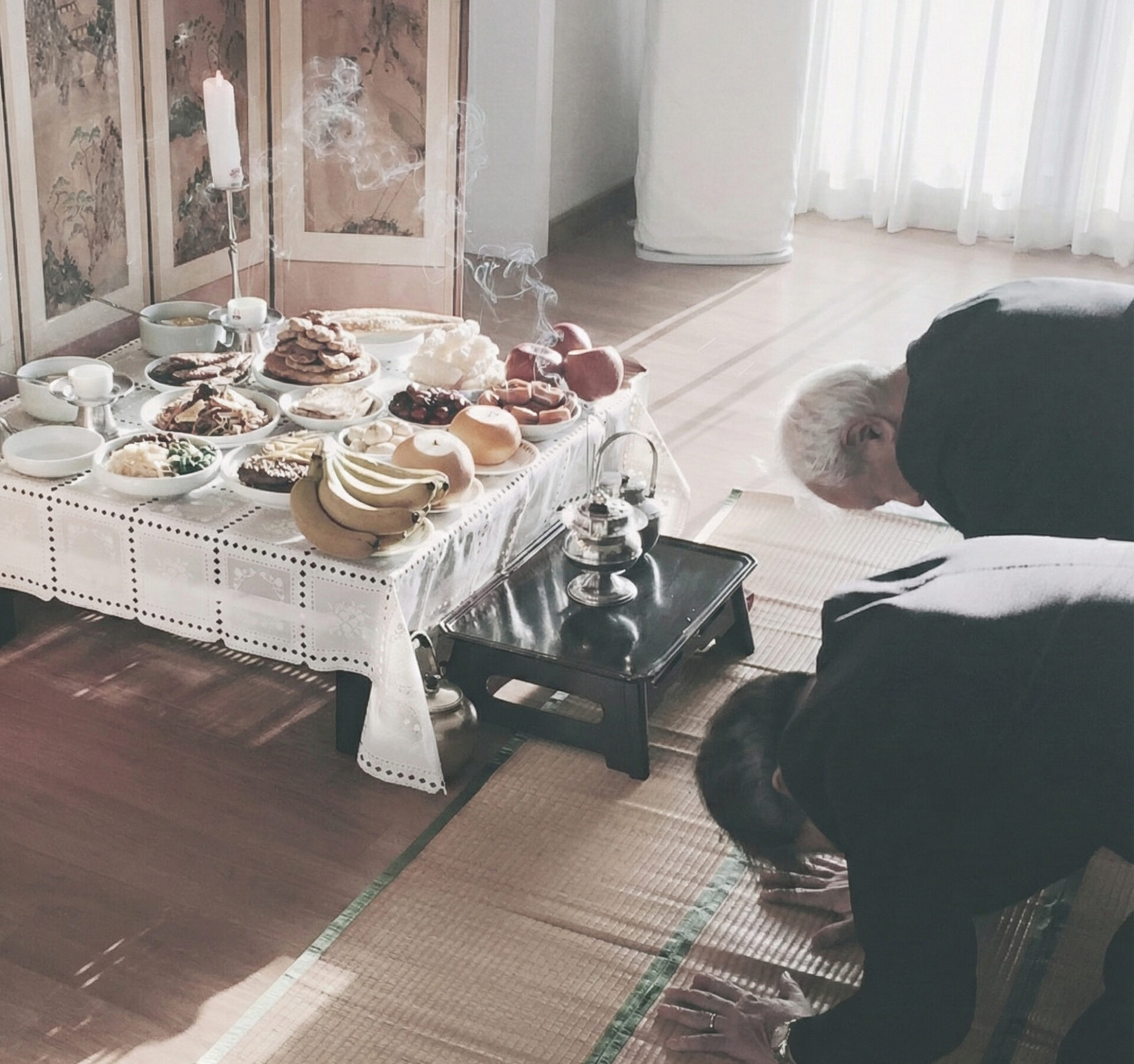
Once the table is set, the ceremony begins. We rotate the alcohol cup over the incense smoke and place it near the rice bowl. It’s as if the deceased ancestors are sitting right there. We treat them with the utmost politeness using two hands. Then, the men stand in a line facing the table and bow. Not once, but twice.
Amidst rising wisps of incense smoke in a reverence-filled space, offering a deeply devoted bow in honor of ancestors.
The Aftermath: Blessings and Dirty Dishes
When my father, the eldest son, finally says, “It’s over,” it becomes dining time for the descendants. The food offered on the ritual table becomes our late dinner. The ceremony always ended late at night.
And then, the reality hits. Did we truly accumulate ancestral blessings as high as that stack of dirty dishes?
On holidays like Seollal, this ceremony happens in the morning. The ancestors eat first, and then the descendants eat.
My Own Way of Remembering
To be honest, holding rites for ancestors I had never even met didn’t really touch my heart.
With the rise of nuclear families and growing individualism, the rigid and burdensome formalities of these rituals are naturally fading away. While the situation varies from family to family, the tradition of strict ancestral rites is gradually disappearing.
Even if these traditions eventually disappear, I would still set the table with all my sincerity whenever I want to remember my loved ones. It would be a personal ritual featuring their favorite foods—a quiet, meaningful way to meet them again with my heart.
Korean Personal Color Analysis is one of the biggest keywords in K-Beauty right now, but is it just a fleeting trend? Imagine walking into a massive K-Beauty store in Seoul. You simply want a red lipstick. But here, you face a famous K-Beauty commandment:
“There is no such thing as the same Red under the sky.”
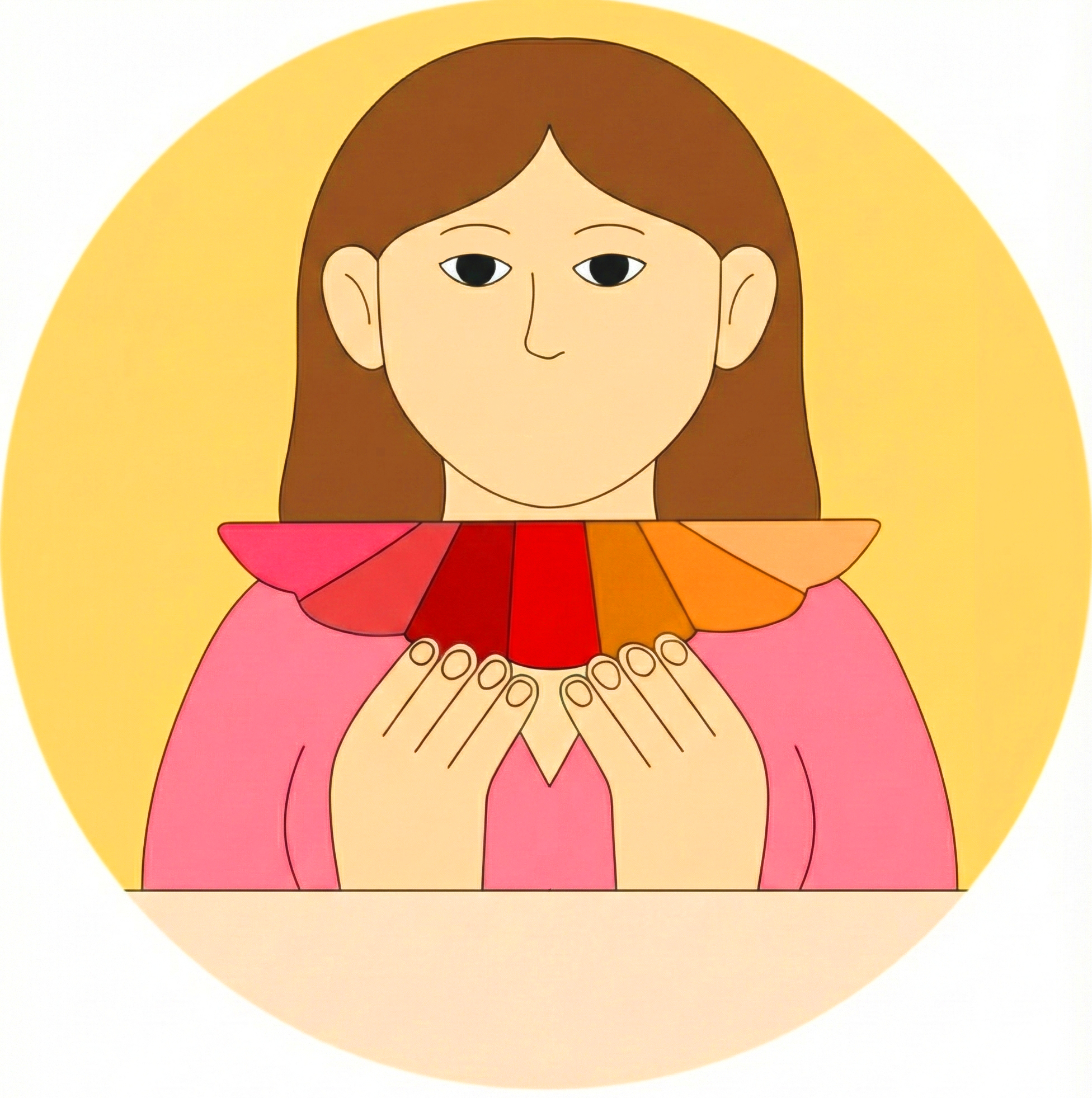
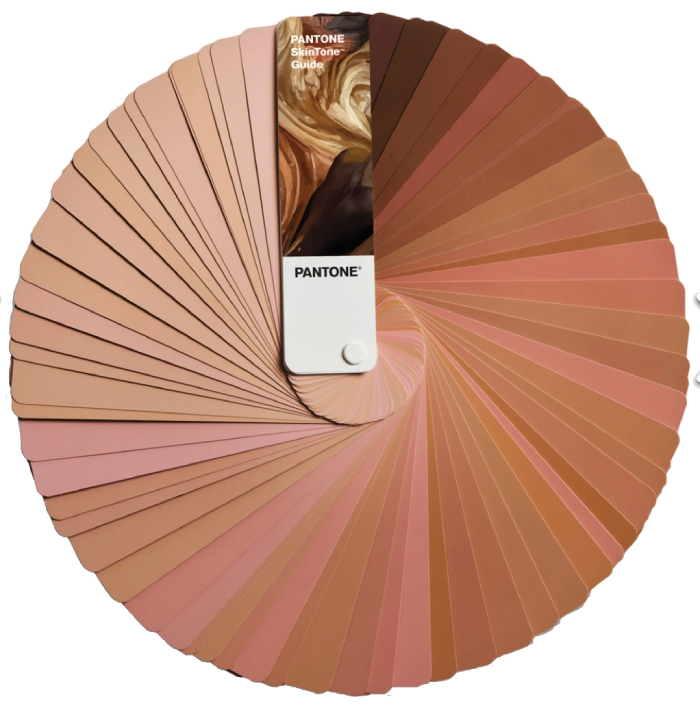
It implies that literally no two shades are alike. There isn’t just “Red.” There is Chili Red, Brick Red, Cherry Red, Apple Red, and Rose Red. K-Beauty has reached the absolute peak of subtle color nuances. Without a guide, you are lost in this ocean of choices. That is why you need Personal Color Analysis. It is not just vanity; it is a “Survival Map” to navigate these millions of options!
Why You Need Korean Personal Color Analysis: The Maze of Colors
Because of this overwhelming variety, Koreans treat skin tone almost like a science. Just as we introduce ourselves with our MBTI (“I’m an ENFP!”), we also categorize our faces.
“I’m a Cool Summer Light.”
“I’m a DarkWinter.”
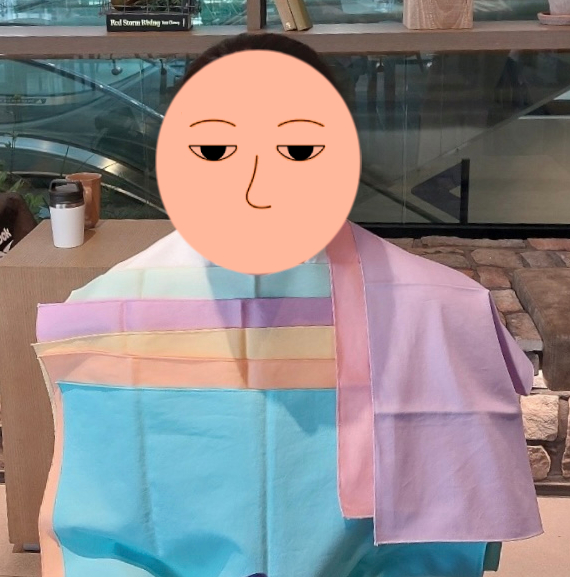
It can almost sound like a clinical diagnosis—but in Korea, this label isn’t about restriction. It’s about self‑understanding through expert validation. With help from a professional, you receive a shared language to describe your natural features. That single result becomes a reference point you can apply across makeup, fashion, hair color, and accessories. It saves time, reduces guesswork, and helps you make consistent choices without starting from zero every time.
Western vs. Korean Personal Color: Adding vs. Subtracting
If you are from a Western background, you might find the Korean approach quite different. This creates a fascinating cultural clash:
I read a review from a Western traveler who tried Personal Color Analysis in Seoul. When the expert held up a specific color swatch, she praised it saying, “Your face looks so bright and clear!” However, the traveler felt differently. She simply remarked, “But I look like a sick vampire.”
This reaction perfectly sums up the difference:
The Western Way (Adding): Beauty is often about “More.” You add bronzer to look sun-kissed, healthy, and rich. If you like a color, you wear it. It is about Expression.
The Korean Way (Filtering): Beauty is often about ‘Filtering’ or ‘Subtracting.” We want to remove yellowness, redness, and dark circles. We want our face to look like a clean, blank canvas. It is about Optimization.
Basically, Western makeup is like Painting, while Korean makeup is like Photoshop Editing.
I’m a Warm Spring.
Finding My True Colors: A Journey of “Wrong” Choices
However, knowing these strict rules shouldn’t turn into a restriction. I’m a ‘Warm Spring,’ and while I love my peachy tones, I refuse to be a slave to the data. I remember wearing a bold Purple Lipstick in college. It wasn’t about being rebellious; it was part of a journey of countless attempts to find myself.
If I had known the strict rules of Personal Color back then, I might have hesitated to pick up that lipstick. But because I didn’t know, I was free to explore. That process of trial and error helped me discover my true colors—whether it’s a physical shade, my inner character, or my personal taste. All those experiences served as nourishment for my growth. So, let’s not box ourselves in with MBTI or color charts. True beauty comes from the freedom to explore beyond the boundaries.
I Was Born on the Battlefield of Kimchi (Literally)
Do I smell like garlic and chili powder? If I do, it’s not because I’m Korean. It’s because kimchi season has chosen me… and there is no escape.
There is a family legend I tell people when they ask about my roots. My story doesn’t simply begin in a sterile hospital room like a normal person’s. It started on the battlefield.
My mother went into labor while she was making Kimchi. Specifically, right in the middle of salting hundreds of cabbages in the freezing winter. She was literally rushed from the piles of salted cabbage straight to the hospital delivery room.
Not Just a Salad, It’s a Survival Ritual
To the untrained eye, making Kimchi might look like a simple cooking class: mixing vegetables with spicy sauce. But in Korea, when the icy wind of November hits, it signifies the start of a war.
We call this ‘Gimjang.’ It is a massive annual event where families gather to make enough Kimchi to last the entire winter and spring. It is so culturally significant that UNESCO inscribed Gimjang as an Intangible Cultural Heritage of Humanity in 2013.
Why? Because Gimjang isn’t just about food. It’s about community, identity, and survival. It’s about ensuring the family has enough vitamins to endure the harsh winter. And apparently, it’s also about intense manual labor that can induce childbirth (You’re welcome, Mom).
The true journey of Gimjang begins not in the kitchen, but here: scouting for the perfect ingredients at the traditional local market.
The Battlefield: Operation Cabbage
My mother transforms into a four-star general during this time. Once the date is set, she moves with military precision.
The Mission: Secure 50+ heads of prime cabbage from the local market.
The Enemy: The stiff, raw cabbage that needs to be tamed.
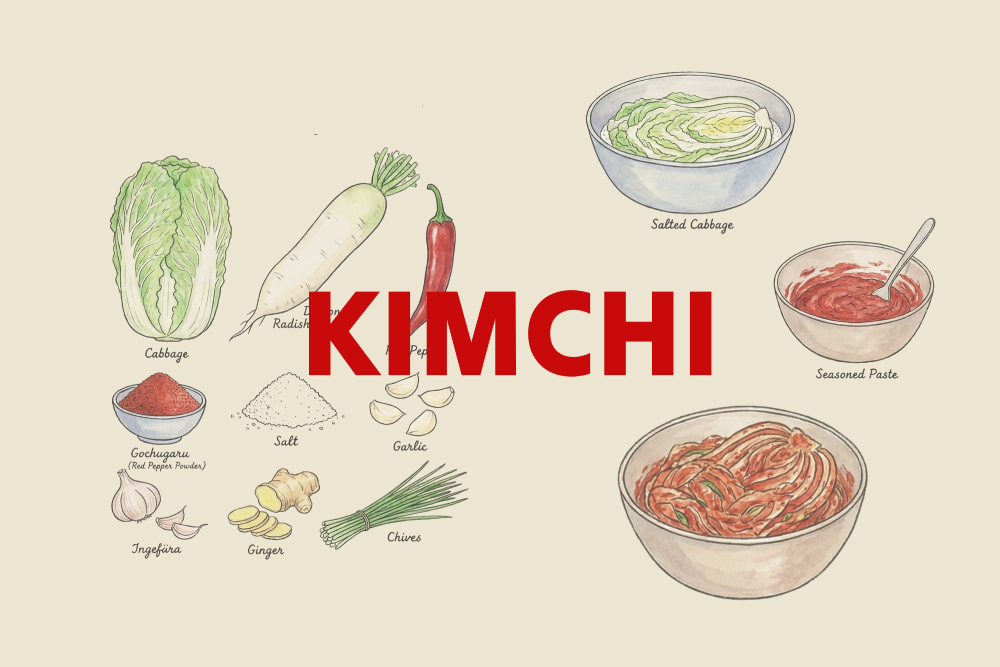
The process is brutal. The day before the main event, the cabbages must surrender. We soak them in salt water until they lose their stiffness and bow down to us, becoming soft and flexible.Then comes the ammunition. We blend a potent mix of red chili powder, garlic, ginger, fermented fish sauce (jeotgal), and sticky rice paste. Sliced radishes join the mix to add a crunch. When this red paste meets the salted cabbage, the magic happens. The pale vegetables turn a fiery red, ready to punch your taste buds and boost your immune system for the year.
The Assistant’s Life (That’s Me)
Even though I am the legendary “Kimchi-born,” my rank in the kitchen is surprisingly low. I am merely the Assistant.
I watch my mother’s hands move faster than a machine. My job is to carry the heavy tubs, move the ingredients, and clean up the “debris” of the battle scattered across the living room floor. It is back-breaking work.
But I don’t complain. Because I know exactly what comes next.
The Golden Ticket: Bossam (The Real Prize)
This is the secret reason why Koreans volunteer for this war. The moment the Kimchi is packed into jars, the real feast begins. We boil pork belly (Bossam) until it is tender and juicy.
Imagine this: A slice of steaming hot pork, wrapped in a piece of freshly made, unfermented Kimchi, topped with a raw oyster. It is savory, spicy, crunchy, and soft all at the same time. This taste is a privilege reserved only for those who survived the Gimjang battle.
The Sad Truth: That Jar on Your Shelf is Lying
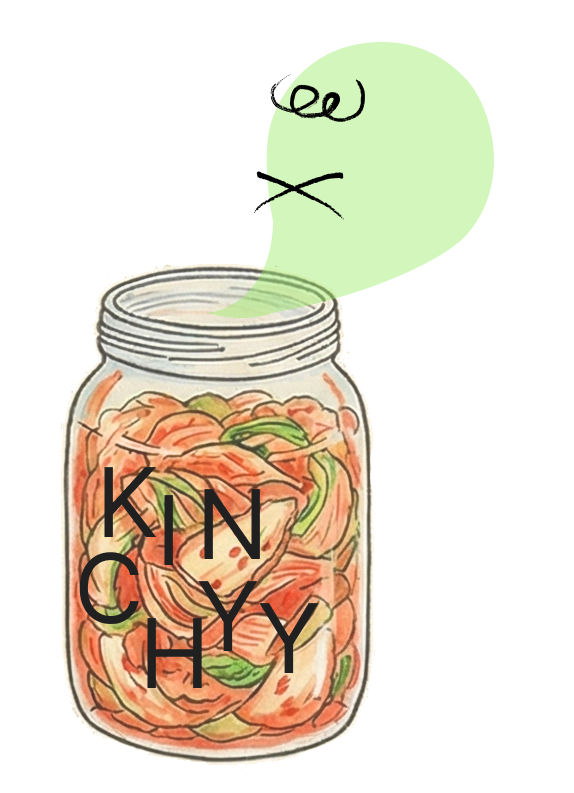
After reading about fresh Kimchi and pork, I have a confession to make. I have seen them in supermarkets abroad. Small glass jars or tin cans, sitting on the “International Food” shelf, staring back at me with sad, pitiful eyes.
Kinchyy sounds sketchy
Inside, there is pale, washed-out cabbage floating in watery brine. They are labeled “Kimchi,” but to someone born on the battlefield of real Gimjang, they look like ghosts.
Let’s get one thing straight. Simply pickling cabbage in salt and vinegar does not make it Kimchi. Those commercial jars might mimic the sour taste, but they are missing the most important ingredient: The Process.
They lack the “Battle.” They lack the frantic energy of November. They lack the interaction between the red chili powder and the salted cabbage that creates a deep, fiery fermentation.
Most importantly, they cannot bottle the Devotion. Real Kimchi contains the sweat of the family, the cold air of winter, and the touch of a mother’s hand (literally, we call it Son-mat, or ‘hand-taste’). When you open a can of mass-produced, pale cabbage, you are just eating a vegetable. But when you eat Kimchi from a Korean home, you are consuming Time and Soul.
So, please. If you see those sad little jars in the supermarket, don’t judge Korean cuisine by them. They are just trying their best, but they never stood a chance against the real thing.
The Spoils of War: A Mother’s Love
The battle ends, but the supply lines remain open. Even as her joints ache and her muscles scream from the labor, my mother—the Commander—never stops until every container is full. She pushes her physical limits not for herself, but to pack heavy bundles of Kimchi for her grown children.
When I drive away from her house with a trunk full of these heavy boxes, I feel a strange sense of security. It’s not just food; it is reassurance. No matter what happens in the coming year, I have my “basic ammunition” to survive.
The Shape-Shifter: From Fresh to Aged The magic of this “loot” is that it is alive.
Day 1 (Haet-Kimchi): It is fresh, crunchy, and raw—perfect with pork or hot rice.
Month 6: It ferments and turns sour, gaining probiotics and depth.
Year 1+ (Mukeunji): It transforms into “Aged Kimchi.” It becomes soft and incredibly potent, destined to be reborn as a rich stew (Kimchi-jjigae) or a savory pancake (Kimchi-jeon).
The Real Protagonist Writing this, I realized something. We often call Kimchi a “side dish” (Banchan), but that is a lie. It dictates what we eat. It saves a boring meal. It evolves with time, changing its character just like we do.
On the Korean table, Kimchi is not a supporting actor. It is the Protagonist. And my mother, who crafts this protagonist every winter with her aching hands, is the director of this beautiful, delicious drama.
The Taste of Time
So, do I smell like garlic and chili powder? I hope so. It means I carry the scent of my mother’s hard work and the history of my culture.
If you ever visit Korea, don’t just look for the finished product. Look for the process. Look for the families gathering in November. And if you are lucky enough to taste that fresh, spicy Kimchi wrapped around a piece of pork, remember: You are not just eating cabbage. You are tasting the fierce love that gets us through the winter.
Think you have what it takes to join the battlefield? Don’t worry, you don’t need to salt 50 cabbages like my mom. Experience the fun part of the ritual (and skip the back pain) with a local expert.