
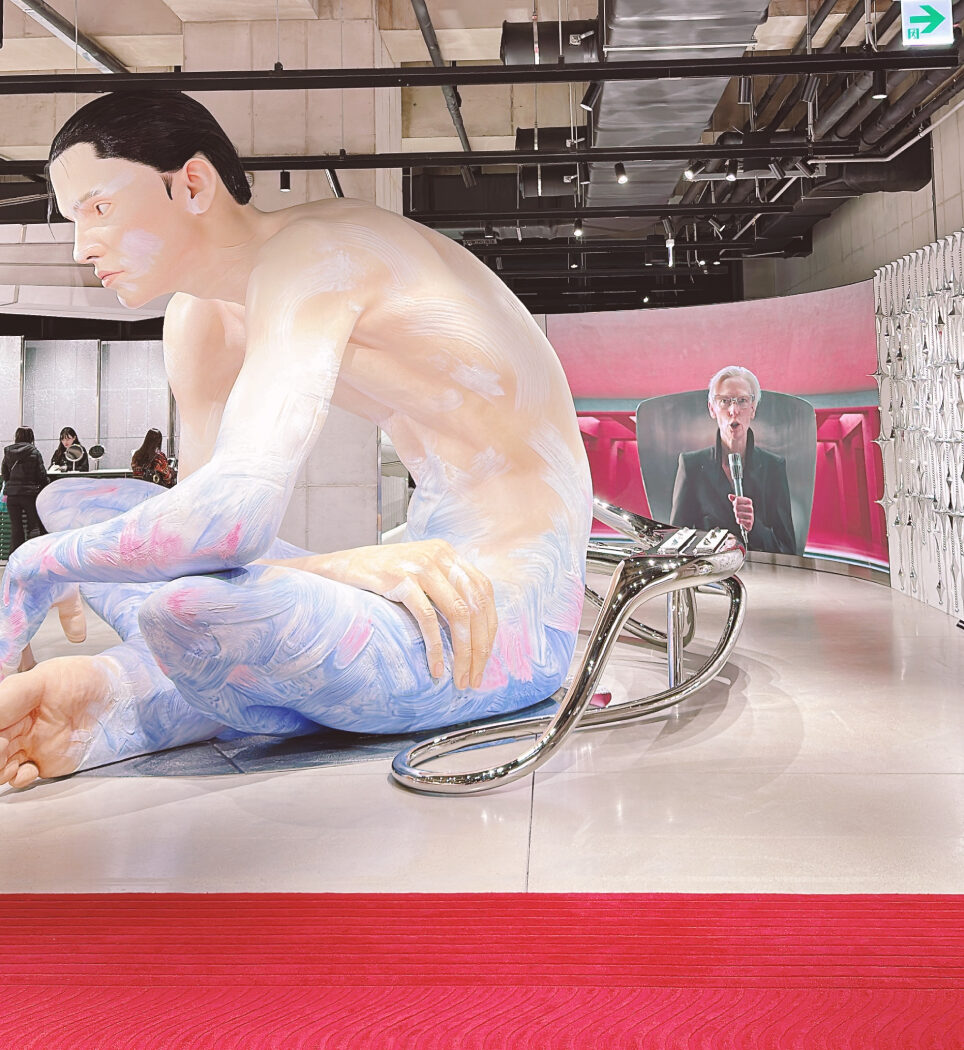
Meeting the Wizards of Display
Before discussing the dynamic evolution of Seoul spatial branding, I must talk about where my inspiration began: London. When I first landed there, about 80% of the awe I felt came purely from its “exhibition spaces.” It felt as if every display guru on the planet had held a summit right there to define the future of retail.
From galleries and museums to street-side shops, the way they interpreted space visually was different. It didn’t just “show” things; it whispered to you in a sophisticated, visual language.
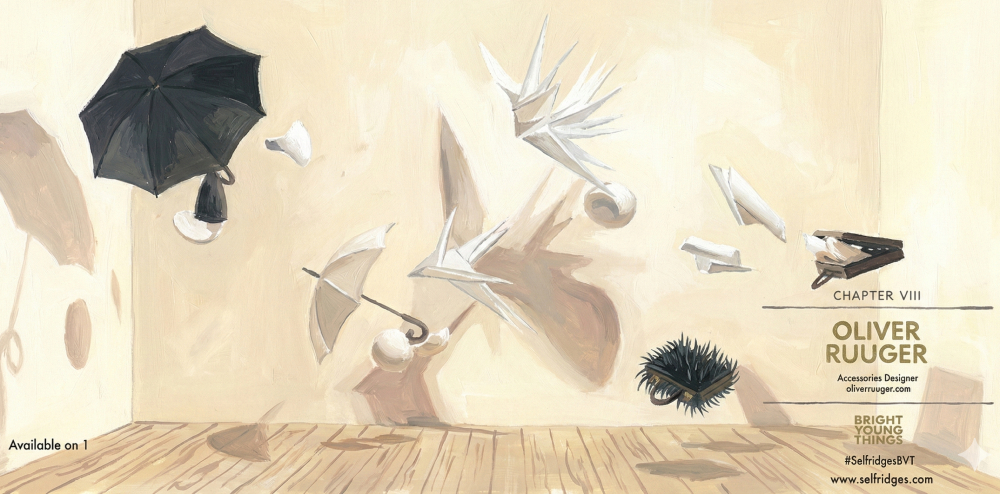
London: The Theater of the Streets
Maybe it’s because London is a city that breathes theater and musicals. The ground-floor windows of department stores weren’t just glass cases; they were stages.
I developed a weekly ritual of patrolling the perimeters of Selfridges and Liberty. These windows weren’t simply displaying products; they were displaying a flow of concepts. Even the tiniest prop seemed to be chattering away, telling a rich story where the product was merely a supporting actor.
I would zoom in to see the details, then step back to take in the whole scene—a ritual necessary to fully process the visual feast.
“A luxurious cultural life that cost zero pennies, yet filled my soul with extravagance.”
It wasn’t shopping. It was a street-side musical, an open-air gallery available to anyone. That depth of emotion and effort I witnessed in London became a huge source of inspiration for me.
Seoul: When Stores Become Galleries
That thirst for spatial aesthetics I felt in Europe is now being quenched in Seoul.
Starting in trend-setting districts like Dosan Park, Seongsu-dong, and Hannam-dong, the shift has been undeniable. You know Korea—once we start something, we have a tendency to go from 0 to 100 in seconds. The change is fast, positive, and absolute.
Walking into Seoul’s hottest shops lately feels less like a retail trip and more like a visit to a modern art museum. We’ve moved away from the old formula of “cramming in as many products as possible.” The “Show Window” is dead; long live the immersive “Show Room.” This dramatic shift is what currently defines Seoul spatial branding.
The Gentle Monster Paradox
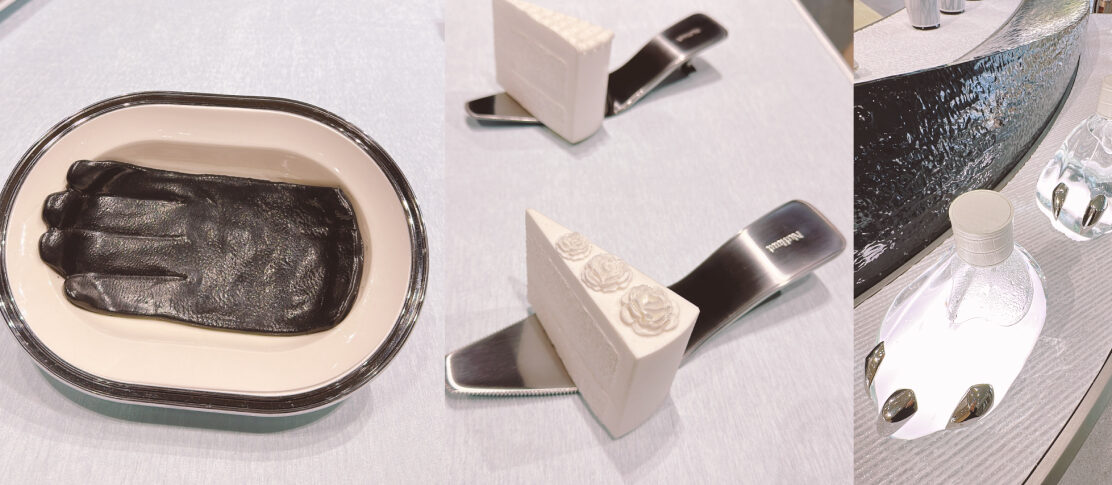
In this shifting landscape, the strategy of Gentle Monster offers a brilliant case study.
Unlike fashion brands that flood the market with new SKUs every season, Gentle Monster sticks surprisingly close to their steady sellers. Instead of focusing on quantity, they obsess over quality.
We are living in an era of product saturation, eco-anxiety, and consumption fatigue. Gentle Monster made a clever pivot here. They reduced the clutter of products and poured that energy into “Spatial Experience.”
Their stores feature kinetic art so bizarre it’s mesmerizing, creating an overwhelming atmosphere that transcends the product itself.
“We aren’t just selling eyewear; we are selling the Gentle Monster universe.”
This investment elevates the brand’s perceived value. It turns customers into fans who buy into a philosophy, not just a pair of glasses. In a world drowning in “stuff,” this might be the most sophisticated survival strategy: creating value through experience, not just consumption.
The New Grammar of Desire
Brands are now curating, not cluttering. They tell detailed stories with fewer objects, seeking perfect harmony with the background.
The irony? This minimalist, artistic approach triggers a stronger desire to possess. When products are arranged like an art installation, the synergy makes a single object scream “value.”
“I don’t just want the item; I want to buy this entire vibe.”
My observation that started with the windows of London has now evolved into a fascination with Seoul spatial branding. It’s a trend I’m more than happy to watch unfold.