
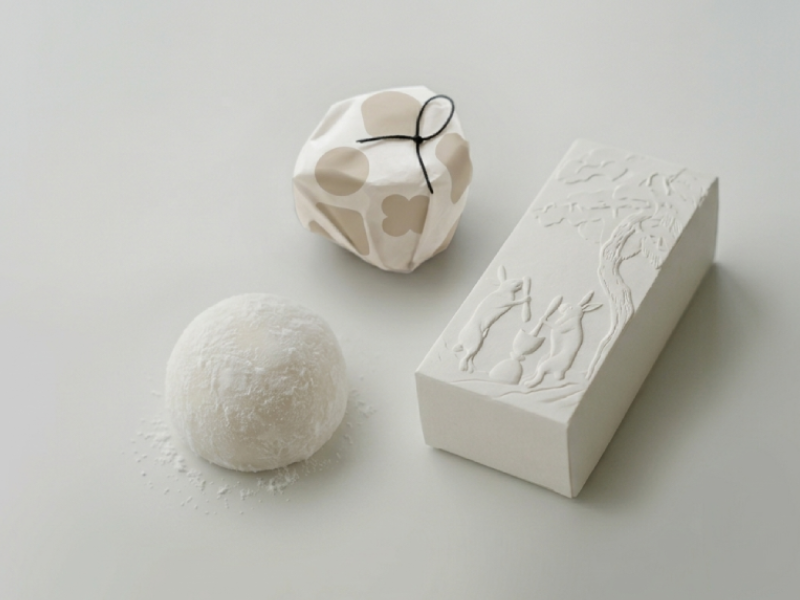
What do white rice cakes symbolize?
For Koreans, white is never empty. In fact, beneath its quiet surface lies a depth of meaning. It symbolizes the sun’s brightness and the origin of all things. Historically, Koreans called themselves the “white-clad people.” They chose white garments as an expression of clarity, integrity, and restraint.
This quiet aesthetic of white takes form through different kinds of rice cakes, each connected to a passage in life.
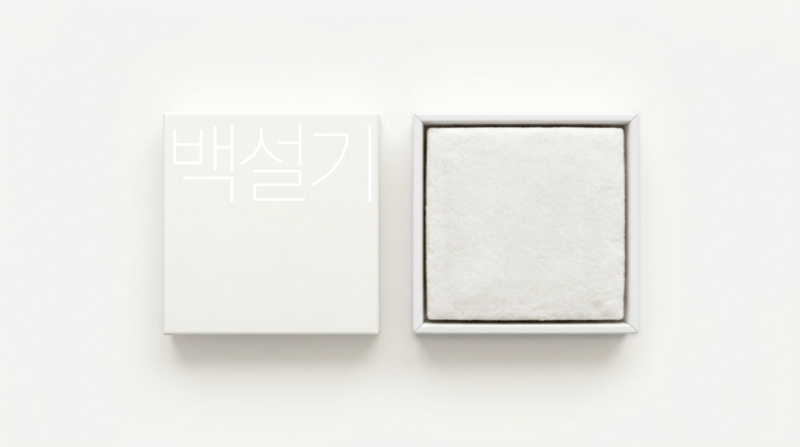
Baekseolgi
Baekseolgi, with its light and fluffy texture (Puffy & Soft), is shared on a child’s first birthday, holding wishes for health and longevity. Its unblended whiteness reflects a beginning that is pure, sacred, and full of promise.
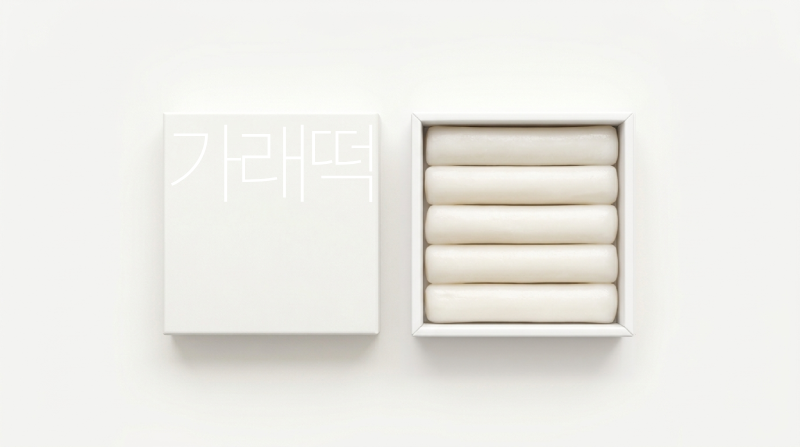
Garaetteok
Garaetteok and white tteokguk, firm and resilient (Firm & Bouncy), symbolize long life and the renewing energy of a new year. Their elongated form suggests continuity—an unbroken thread of time and existence.
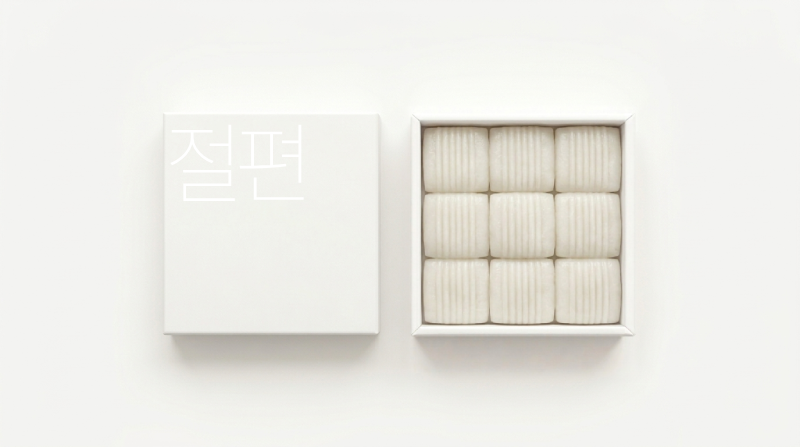
Jeolpyeon
Jeolpyeon, smooth on the surface yet gently elastic (Springy & Silky), embodies balance within simplicity. Its restrained appearance conceals a subtle strength, much like a life shaped by quiet harmony.
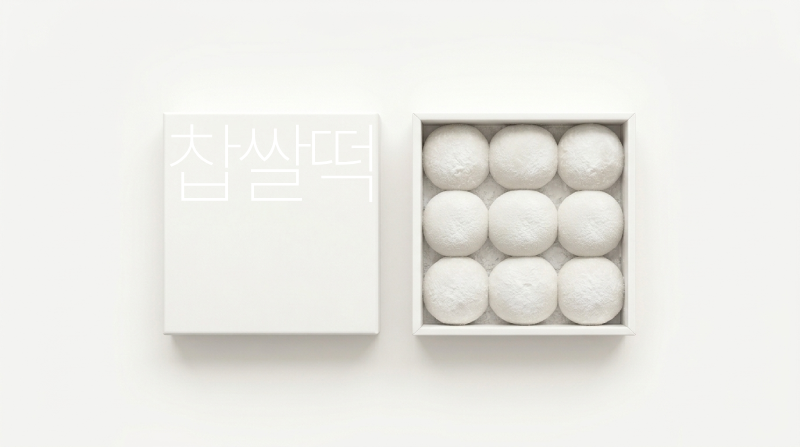
Chapssaltteok
Chapssaltteok, soft and delicately chewy (Delicate & Chewy), is often given before important moments as a gesture of encouragement. Its cohesive texture mirrors the hope that efforts will come together seamlessly, leading to success.
In this way, white rice cakes are not merely food, but vessels of intention—holding wishes for beginnings, continuity, balance, and fulfillment. What appears quiet and simple at first glance is, in truth, never empty.

Curious about the cultural significance of Chapssaltteok? You can find more fascinating details in our article: [Do Koreans Eat ‘Dates’?] ➔ ➔