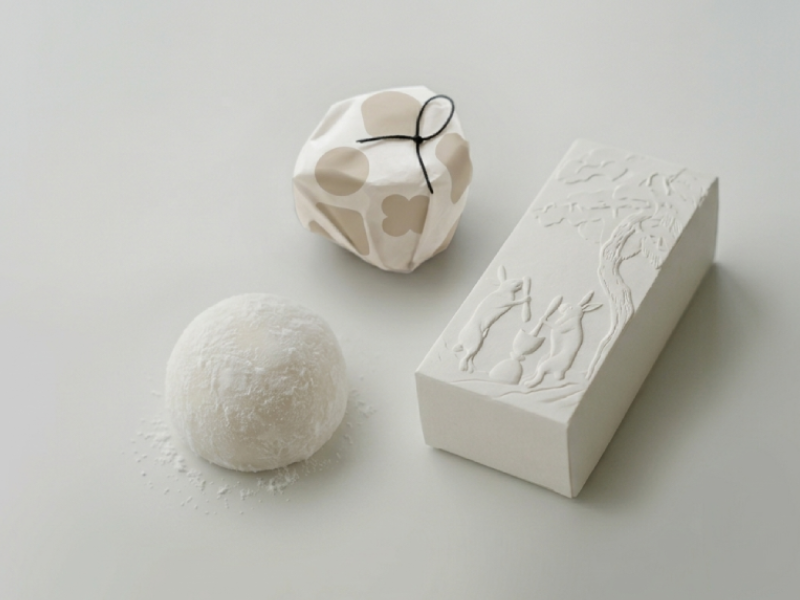
For Koreans, white is never empty. In fact, beneath its quiet surface lies a depth of meaning. It symbolizes the sun’s brightness and the origin of all things. Historically, Koreans called themselves the “white-clad people.” They chose white garments as an expression of clarity, integrity, and restraint.
This quiet aesthetic of white takes form through different kinds of rice cakes, each connected to a passage in life.
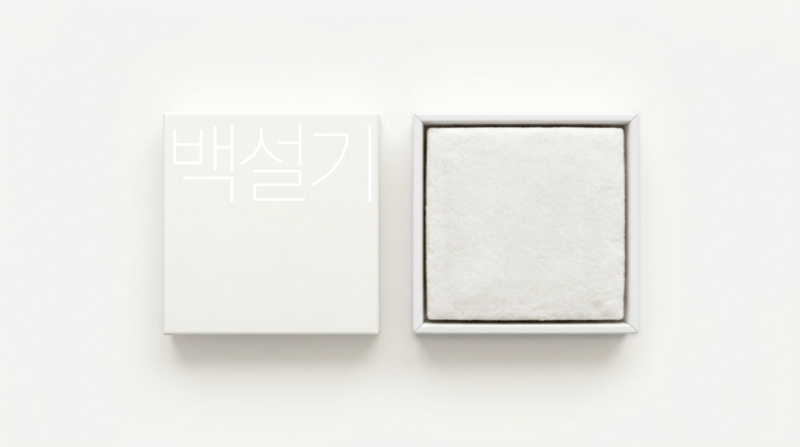
Baekseolgi
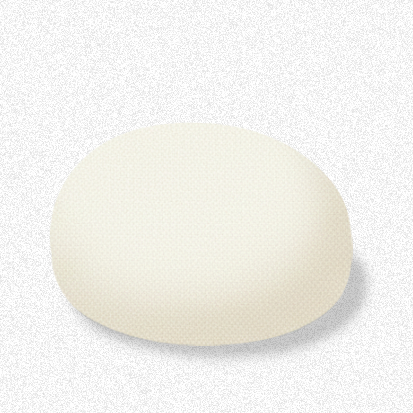
Baekseolgi, with its light and fluffy texture (Puffy & Soft), is shared on a child’s first birthday, holding wishes for health and longevity. Its unblended whiteness reflects a beginning that is pure, sacred, and full of promise.
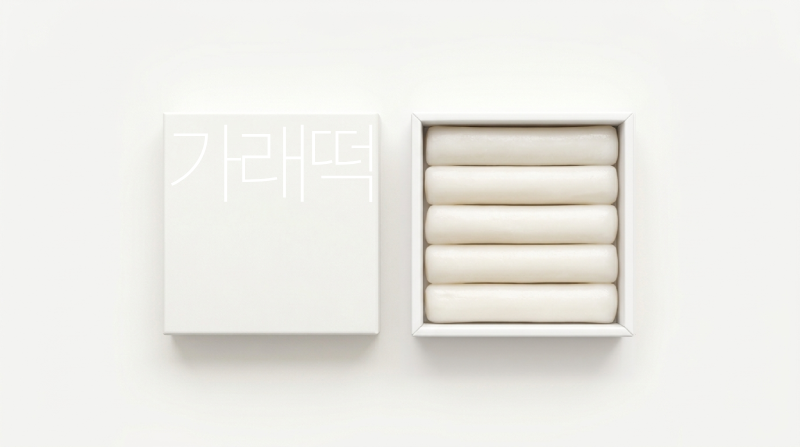
Garaetteok
Garaetteok and white tteokguk, firm and resilient (Firm & Bouncy), symbolize long life and the renewing energy of a new year. Their elongated form suggests continuity—an unbroken thread of time and existence.
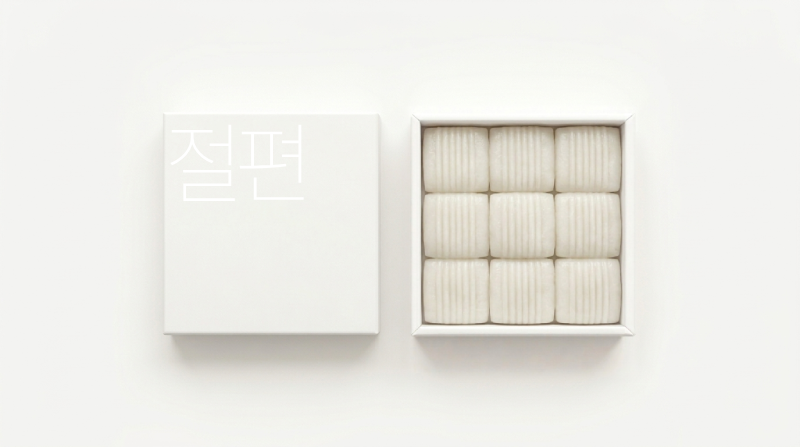
Jeolpyeon
Jeolpyeon, smooth on the surface yet gently elastic (Springy & Silky), embodies balance within simplicity. Its restrained appearance conceals a subtle strength, much like a life shaped by quiet harmony.
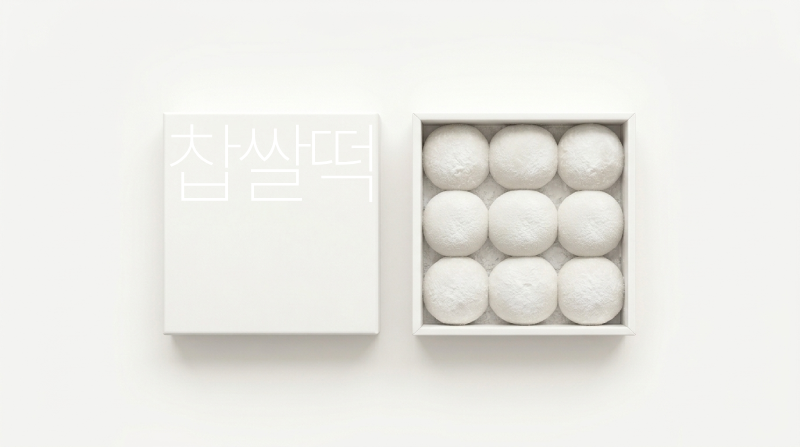
Chapssaltteok
Chapssaltteok, soft and delicately chewy (Delicate & Chewy), is often given before important moments as a gesture of encouragement. Its cohesive texture mirrors the hope that efforts will come together seamlessly, leading to success.
In this way, white rice cakes are not merely food, but vessels of intention—holding wishes for beginnings, continuity, balance, and fulfillment. What appears quiet and simple at first glance is, in truth, never empty.
In Asian cultures, the image of a rabbit pounding rice cakes inside a full moon is often depicted as a legendary figure. This imagery symbolizes prayers for a family’s well-being and eternal youth.
Curious about the cultural significance of Chapssaltteok? You can find more fascinating details in our article: [Do Koreans Eat ‘Dates’?] ➔ ➔
Have you ever wished you could travel like a local, skipping the generic tourist traps and diving straight into the places residents actually love? As a born-and-bred Seoulite, I often see travelers wandering aimlessly in areas that don’t quite capture our city’s magic. While getting lost is part of the adventure, I want your memories of Seoul to be filled with its most authentic and vibrant colors.
Here is my curated route, designed as if I were a visitor seeking the real Seoul.
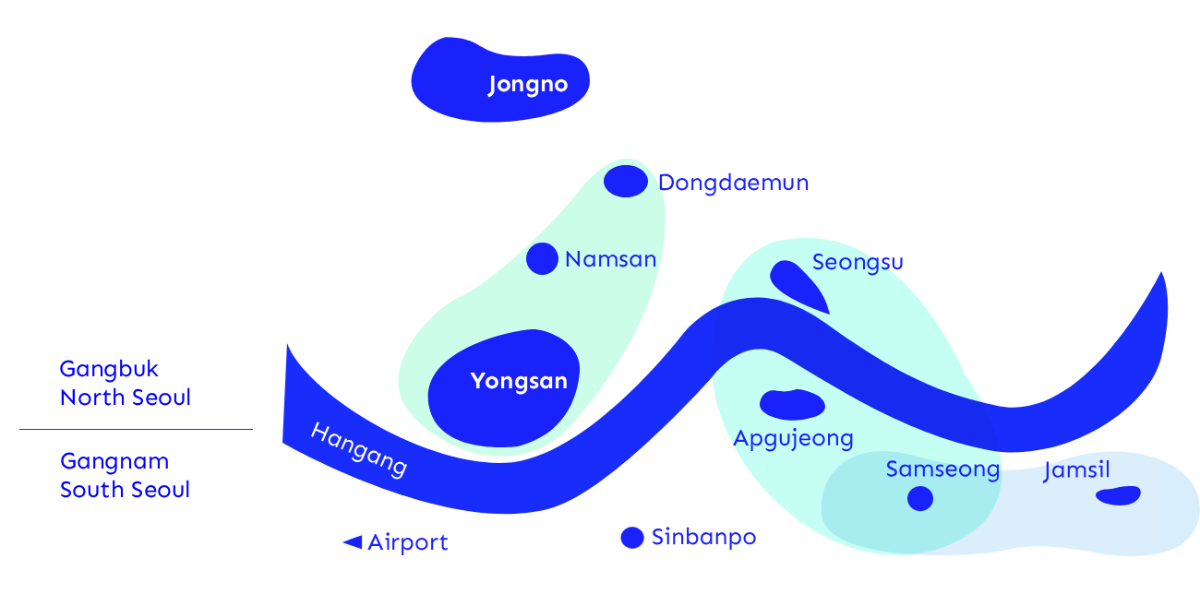
1. Understanding the Vibe: North vs. South
The Han River does more than just divide the city; it marks two distinct personalities.
Gangbuk (The North): A tapestry of history and tradition. This is where you’ll find grand palaces, narrow Hanok alleys, and world-class museums.
Gangnam (The South): The pinnacle of modern Seoul—sleek, sophisticated, and perfectly organized.
2. Jongno: A Slow Walk Through Time
Dedicate at least a day or two to this area. It’s a place for slow exploration.
The Route: Wander through Bukchon, Seochon, Samcheong-dong, and Anguk-dong.
The Charm: You’ll experience the beautiful harmony of historic Hanok houses sitting alongside contemporary art galleries.
3. Yongsan: Global Energy & Skyline Views
Itaewon and Hannam-dong are where Seoul’s youthful, global energy meets high-end tranquility. This district offers a unique blend of Korea’s deep history and its trendy future.
The Cultural Awakening: Begin your journey at the National Museum of Korea. It is a place where you can feel the essence of Korean history through all your senses—from the monumental architecture to the tranquil gardens. Don’t miss the “Room of Quiet Contemplation” for a moment of profound peace.
The Perfect Refreshment: After soaking in the heritage, head over to Itaewon or Hannam-dong to wash away your travel fatigue with a chilled iced coffee or a refreshing craft beer. These neighborhoods are packed with high-end boutiques and trendy cafes that define Seoul’s modern aesthetic.
The View: For an unforgettable finish, visit the Grand Hyatt Seoul ice rink to look down at the city skyline, or take a sunset walk up Namsan Mountain.
4. Dongdaemun: The Heart of the Hustle
To see the relentless energy of Seoul, head to the wholesale markets.
The Treasure Trove: While the DDP offers futuristic architecture, the Dongdaemun Shopping Complex (Building D) is a hidden gem for craft lovers, packed with every accessory and material imaginable.
5. Seongsu: The “Brooklyn” of Seoul
This is currently the trendiest neighborhood in the city.
What to See: Flagship stores like Gentle Monsterand iconic spots like Onion, Kokkili Bagel, and Point of View. Take your time strolling through the streets to see how old factories have been transformed into chic cultural spaces.
6. The Gangnam Districts: Modern Luxury & Serenity
Neighborhoods like Apgujeong, Cheongdam, and Samseong are the centers of global brands.
Pro Tip: In Samseong-dong, visit the Starfield Library for its iconic bookshelf walls, but then cross the street to Bongeunsa Temple to experience a serene Buddhist sanctuary amidst the skyscrapers.
7. The Han River: The Soul of Seoul Life
For the most local experience, head to Banpo or Ttukseom Hangang Park.
The Experience: Watch the sunset and the rainbow fountain show. But the real ritual? Buying instant ramen from a convenience store and enjoying it on a bench by the river. It’s simple, but it’s the most “Seoul” meal you’ll ever have.
Getting lost is part of the journey, but Seoul is a city where the best stories are often hidden in the smallest alleyways. Don’t be afraid to stray from your itinerary. If a tiny cafe or a local diner catches your eye, step inside.
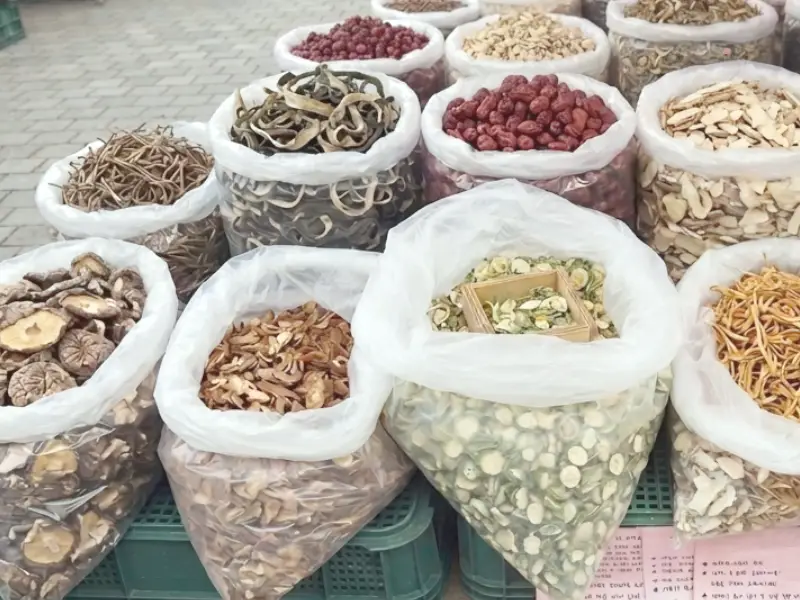
I recently visited a traditional market. There’s a certain vibrant energy that only comes with spring—a mix of lively voices and the refreshing scent of herbs that instantly wakes up the appetite. Among the rows of bright, fresh greens, I found myself reaching for a few bags of ‘Geon-namul’ (dried vegetables).
While the crispness of seasonal spring greens is lovely, I’ve always been drawn to the deep, concentrated flavors of dried ones. They possess a unique texture and aroma that fresh vegetables simply cannot replicate—a taste perfected by time and patience.
A Gift from the Sun and Wind
The culture of drying vegetables in Korea was born from the wisdom of our ancestors, who had to navigate four distinct seasons. During the harsh winters and early spring when fresh produce was scarce, these dried greens served as a vital source of vitamins and dietary fiber. It wasn’t just a tradition to eat ‘mukeun-namul’ (aged greens) on the first full moon of the year to ward off the summer heat; it was a practical way to prevent nutritional deficiencies.
The magic happens during the drying process. As the moisture evaporates, minerals like calcium and iron, along with dietary fiber, become highly concentrated. Moreover, when dried under the sun, they develop Vitamin D, making them an excellent natural supplement for bone health.
My Favorite One-Pot Comfort: Pork & Dried Vegetable Rice
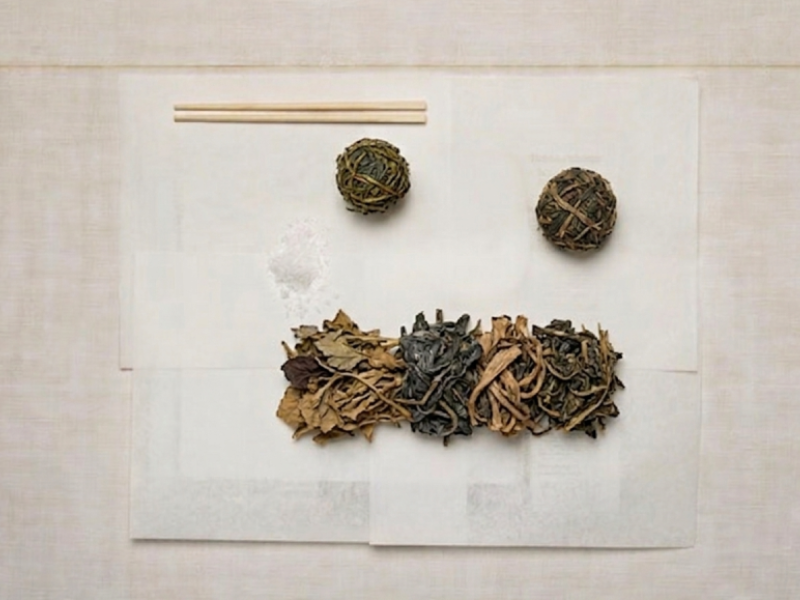
One of the reasons I love working with dried vegetables is their versatility. Since the preparation is similar across different types, I often make several kinds at once to enjoy in ‘bibimbap’ for days. But my absolute favorite way to enjoy them is by cooking them directly with rice in an electric pressure cooker to achieve that perfect, chewy-yet-tender texture.
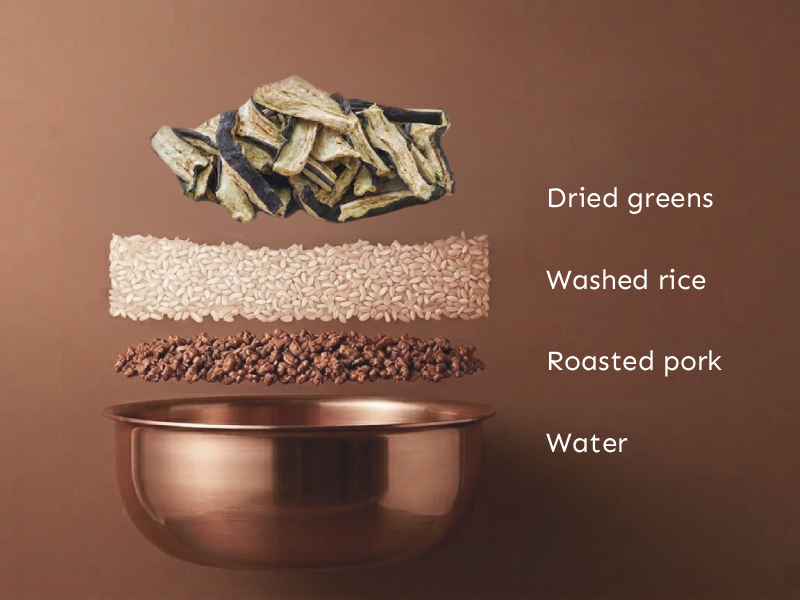
My secret recipe is simple: I start by layering pieces of roasted pork (seasoned with garlic and salt) at the bottom of the pot. Then, I add the rinsed rice or mixed grains, and finally, a generous heap of washed dried vegetables on top.
This layering creates a beautiful nutritional synergy. The natural fats from the pork help our bodies absorb the fat-soluble vitamins (like Vitamin A and K) found in the greens. As the rice cooks, the pork fat lightly coats each grain, while the deep aroma of the dried herbs infuses the entire pot. When it’s done, I top it with a savory sauce made of soy sauce, chili powder, sesame seeds, and sesame oil. It’s a moist, savory, and incredibly comforting meal that truly needs no words.
The Art of Making Your Own
If you have an Asian market nearby, you can easily buy them, but there is something so rewarding about drying them yourself. It’s clean, safe, and surprisingly easy. I recommend starting with accessible vegetables like radish or eggplant.
Cut the radish into 5cm long, 1cm thick strips, or slice the eggplant into 4–6 longitudinal pieces. Keep in mind that they shrink to less than a third of their original size, so slicing them a bit thicker than usual ensures a better “bite.” Spread them out on a tray so they don’t overlap, and let them dry in a well-ventilated spot with partial shade or soft sunlight. Give them a little toss now and then, and soon you’ll have perfectly dried greens. Once they are bone-dry and crisp, store them in a zipper bag in a cool place or the freezer.
In our fast-paced lives, there is something beautiful about slow food made with ingredients that have waited for their turn. I hope the rich aroma of the pork and the chewy texture of the herbs bring a sense of warm, grounding energy to your table, just as they do to mine.
Dive Deeper into Korean Culinary Heritage > To explore the sophisticated art of Korean royal cuisine and traditional food preparation, visit the Korean Royal Cuisine Culture Foundation on Google Arts & Culture. It’s a wonderful resource to see the historical roots of ‘Namul’ and the elegance of Korean dining. ➔ ➔
For years, one object has held the very top place on my wishlist. To find it, I visited the Dapsimni Antique Market. Lately, Korean antiques seem to be drawing renewed attention. Yet, I cannot help but feel uneasy about the speed at which trends rise and vanish. The word “trend” carries a certain blindness.
However, objects with real stories do not disappear. Like the soban, they return after the tide recedes—no longer as trends, but as classics. That is why I choose to study and record them: to hold on to what retains its original luster beneath shallow currents.
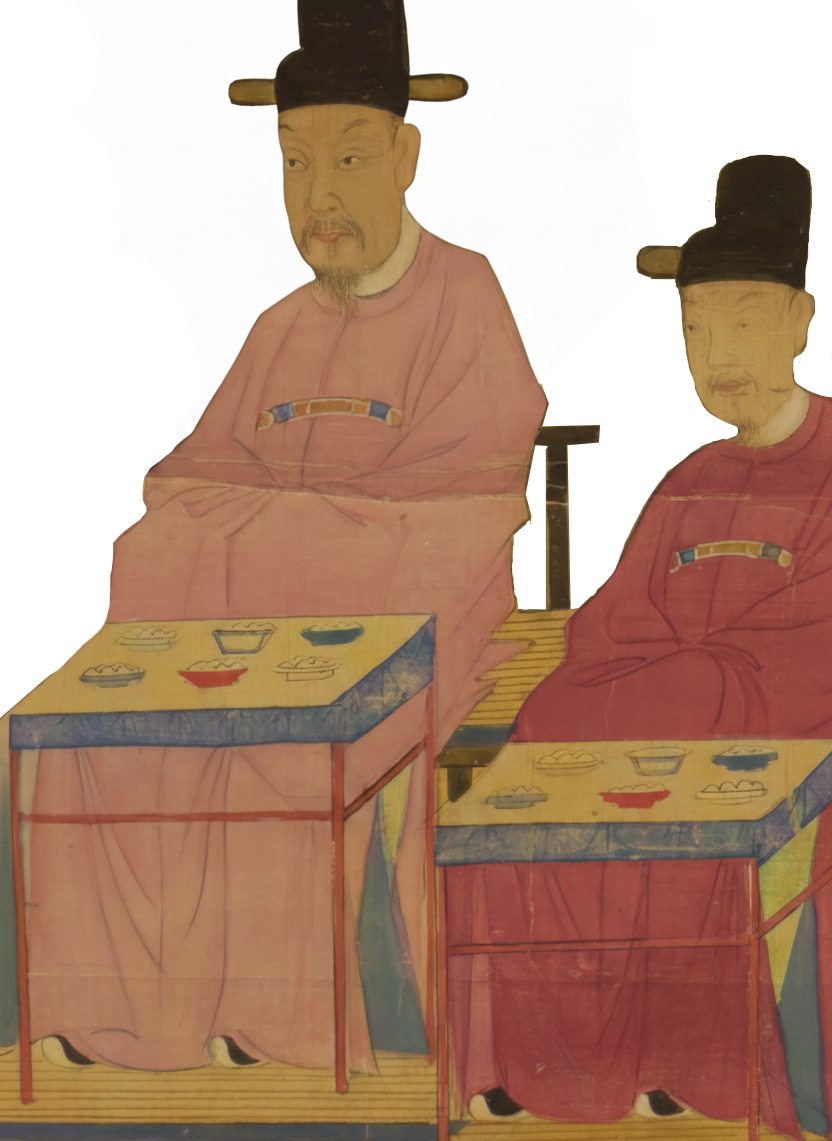
What I seek is a small wooden soban from the Joseon Dynasty, bearing the soft patina of time. Barely thirty centimeters wide, yet now commanding over a thousand dollars. But the price does not define it. Indeed, it is not merely aged wood—it is a structure crafted by an artisan who labored over the dignity of a single meal.
Consequently, I am not searching for an old object alone, but for the landscape of life that gave birth to it. The question naturally shifts from “What kind of soban?” to “Why did we use one?”
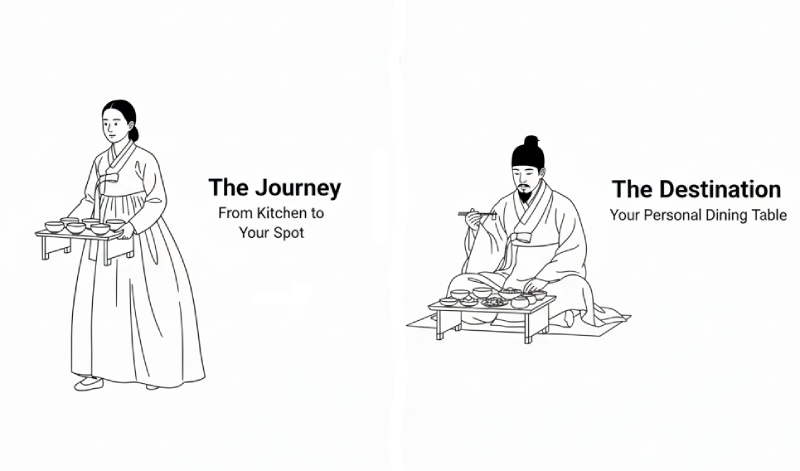
Traditional Korean dining was centered on individual tables. Specifically, Confucian values influenced domestic order, and the practice of receiving one’s own table became deeply rooted. Practically speaking, food had to travel from distant kitchens to heated ondol rooms, making lightweight, portable tables essential. Furthermore, after meals, the soban could simply be leaned against a wall—an embodiment of spatial flexibility in Korean homes.
In short, a soban is not merely a surface. It is engineering fused with aesthetics.
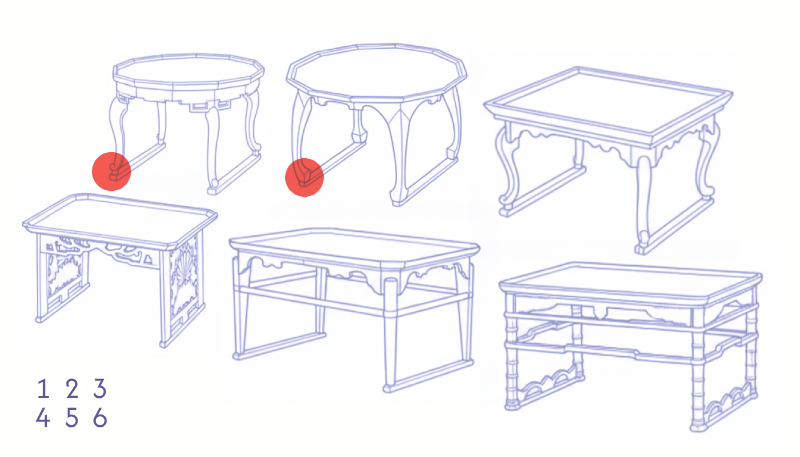
Form and Purpose: Silhouettes of the Soban
1. Hojokban (Tiger-leg Table) Thick at the top and flaring outward toward the bottom, its legs express dignity and composure, favored by the nobility.
2. Gae-dari Soban (Dog-leg Table) With inward-curving legs resembling a dog’s hind legs, it carries a humble yet dynamic silhouette, widely used among commoners.
3. Gim-sang (Seasoning Table): A specialized workstation characterized by its high, raised rims (Byeonjuk). It is the essence of practical aesthetics, meticulously designed to prevent oil and salt from scattering while seasoning dried seaweed.
Three Representative Regional Types
4. Haejuban Supported by wide side panels instead of four legs, intricately pierced with motifs such as peonies or lotuses—an elegant and delicate expression of craftsmanship.
5. Najuban Celebrated for simplicity and durability, it emphasizes natural wood grain. Its separately fitted raised rim prevents warping with architectural precision.
6. Tongyeongban Carved from a single block for the top and rim, reinforced by horizontal stretchers, often adorned with mother-of-pearl inlay—both structurally sound and visually refined.
Values Embedded in Structure
Wood Selection: Lightweight woods for the top, sturdy zelkova for the legs to lower the center of gravity.
Natural Lacquer: Multiple coats protected against heat and moisture.
Joinery Without Nails: Interlocking techniques ensured longevity across centuries.
The Moment of Encounter
In photographs, a soban may seem modest—almost understated. But standing before an original piece is a different experience altogether. There is an inexplicable depth: the grounded weight of its proportions, the quiet sheen shaped by time, the density of the grain beneath your fingertips. One instinctively pauses.
You, too, would inevitably be drawn in by that depth.
While Western furniture evolved toward grandeur and social gathering, the soban deepened through restraint and utility. Trends surge and fade like waves, but a soban—bearing the touch of its maker and the imprint of time—remains. That is why I continue my search.
Traditional folk paintings often reveal tall tables reminiscent of Western styles. Rather than direct imports, these were ceremonial pieces influenced by Qing Dynasty China—exclusive luxuries for royalty and high officials. In a strictly floor-seated society, these towering silhouettes served as both a visual barrier of rank and a symbol of exotic sophistication.
To fully appreciate the minimalist beauty of Soban, I highly recommend visiting the Woodworking Crafts Gallery on the 3rd floor of the National Museum of Korea. It is a rare opportunity to witness how these timeless masterpieces harmonize with the surrounding space. ➔ ➔
Did your Valentine’s Day in February pass by a little… too quietly?
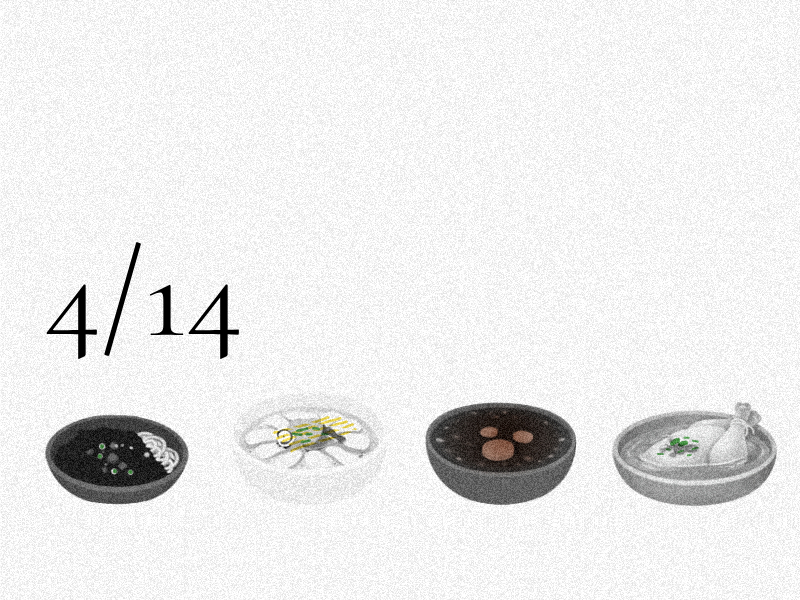
If so, don’t feel bad! In Korea, we have a special backup plan called ‘Black Day’ on April 14th. Essentially, it’s a day for singles to gather and dive into a bowl of Jajangmyeon—noodles topped with a thick, pitch-black bean sauce. In fact, we literally eat our feelings in the form of black noodles to comfort each other.
Furthermore, it’s not just about the singles. Koreans are practically obsessed with matching specific foods to specific dates. To illustrate this, here is a delicious guide to a year in Korea, from ancient seasonal wisdom to modern-day fun!
Starting the Year with New Year Traditions
Tteokguk (Rice Cake Soup): On New Year’s Day, we eat this milky white soup. As a result, you haven’t officially aged a year until you’ve finished your bowl! Moreover, the white rice cakes represent a clean start and a wish for a bright year.
Jeongwol Daeboreum (Lunar Jan 15): On this day, we eat five-grain rice to wish for a bountiful harvest. We also crack open hard nuts with a loud “CRACK!”—an old-school beauty ritual believed to keep your skin smooth and healthy throughout the year.
Spring Alarms and Summer Energy Boosts
Ipchun (Spring Beginnings): To wake up our taste buds from winter hibernation, we eat Osinban, five pungent spring greens. It’s Korea’s natural multivitamin shot!
Samgyetang (Ginseng Chicken Soup): When it’s scorching hot in July and August, we don’t just blast the AC; we eat boiling hot soup! Consequently, this “Iyeol-chiyeol” (fighting heat with heat) philosophy helps us sweat it out and recharge our stamina.
Autumn Harvest and Winter Solstice
Songpyeon (Chuseok): These half-moon-shaped rice cakes are stuffed with sweet fillings. Notably, there’s a legend that if you shape your Songpyeon beautifully, you’ll have a beautiful child, so everyone takes their “crafting” very seriously!
Patjuk (Red Bean Porridge): On the longest night of the year in December, we eat red bean porridge. Specifically, we do this because ghosts supposedly hate the color red.
Heartfelt Traditions and Fun Rituals
Birthday Seaweed Soup (Miyeok-guk): In Korea, birthdays aren’t just about cake; they’re about Miyeok-guk. Traditionally, this soup is the first thing a mother eats after giving birth. Seaweed is a superfood packed with iodine and calcium, making it essential for a mother’s recovery and replenishing the blood. By eating this on our birthdays, we honor our mothers’ sacrifice and remember the very first meal that nurtured us. It’s a bowl of pure gratitude (and it’s incredibly healthy, too!)
Exam Day Rituals: We eat sticky rice cakes (Chapsal-tteok) to “stick” to our goal and pass the exam. On the other hand, we NEVER eat seaweed soup on exam day. Since seaweed is slippery, we’re terrified that our grades might “slip away”!
Koreans eat specific seasonal foods because it’s the smartest way to stay healthy by following nature’s rhythm. Since our bodies need different nutrients in each season, eating what’s fresh at that time was a natural way to boost health. Ultimately, these seasonal dishes are more than just meals; they represent a wise lifestyle of staying in harmony with nature to take care of both body and mind.