Welcome to Every Three PM

Category: Design & Culture

  • Lost My Bag. Learned My Place—Thanks to Louis Vuitton.

    Lost My Bag. Learned My Place—Thanks to Louis Vuitton.

    A Journey into the Heart of Louis Vuitton

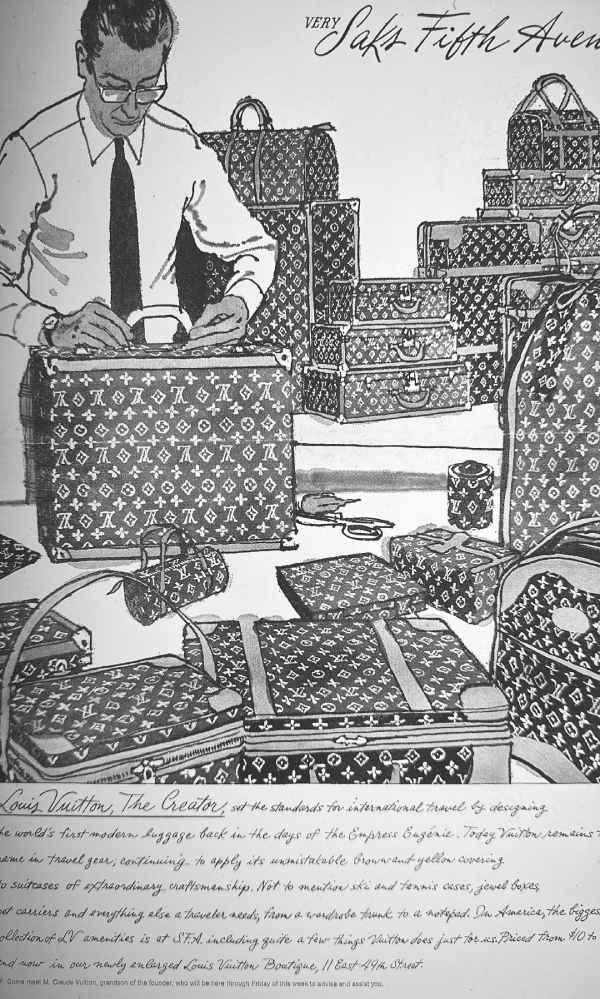
    Few brands have pursued the idea of “travel” as persistently as Louis Vuitton.
    What began as a trunk maker has grown into a global cultural house. It feels less like expansion, and more like a way of working with time.

    The Tension of Craft: From 1854 to the Future

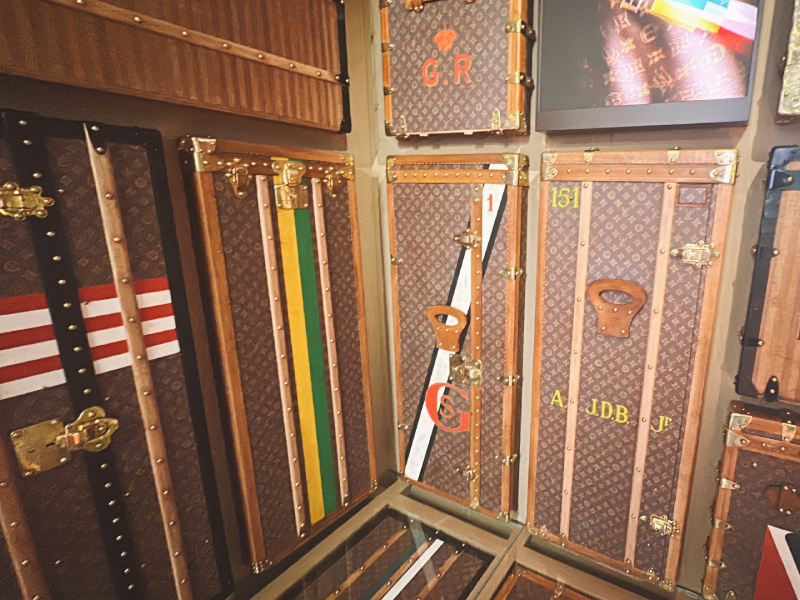
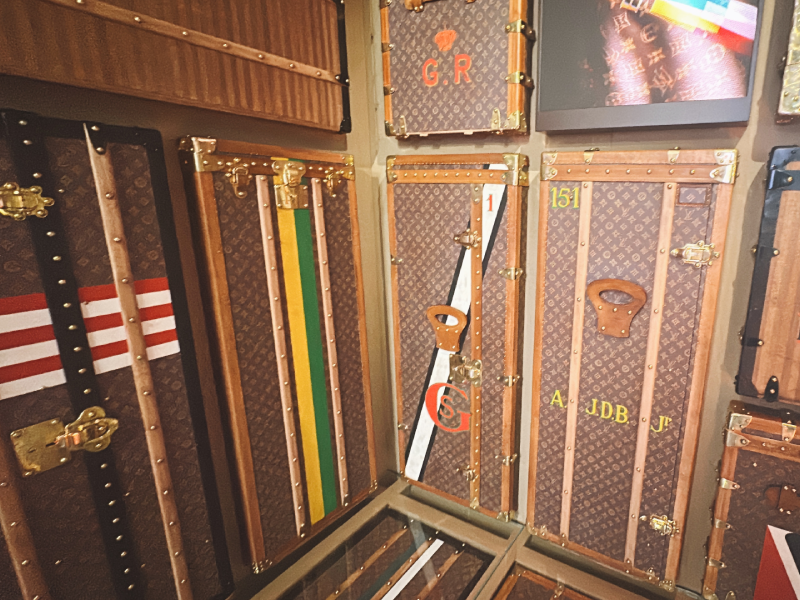
    The Visionary Journey exhibition compresses that timeline into a single experience.
    Inside a space designed by Shohei Shigematsu of OMA, past, present, and an imagined future coexist.

    To be with low expectations.
    A brand that “speaks for itself” — how much more could it really say?

    But the space works on your senses first.
    The scale, the flow, the way light and materials are handled.
    It doesn’t explain the bronest, I went in and so much as make you experience it.
    By the time I walked out, it felt like I had been inside something large and carefully constructed, and then released.

    170 years of handcraft, precision, and finish.
    That part is expected.

    What stood out was what came after.
    The way the brand embraces collaboration and contemporary techniques,
    while keeping craftsmanship firmly at its core.

    Instead of resolving the tension between old and new,
    they keep it intact.
    That tension seems to be what sustains them.

    It made me wonder how far that balance can go,
    and how long it can hold.

    A Personal Intersection: The Day I Lost My Epi Speedy 30

    A long time ago, I lost my Louis Vuitton Epi Speedy 30 

    It happened at a grocery store, after work and a workout,
    when I was basically in a zombie-like state.
    Half-aware, completely drained — probably looking like the easiest target in the market. I casually left the bag on the cart.
    And just like that, it was gone.

    I didn’t notice until I got to the register.
    That small gap of time —
    I still don’t know when or how it happened.

    There were no cameras, no real help.
    I just walked home, dazed.

    It was a bag I genuinely loved.
    For that reason, it became difficult for me to approach the brand with ease afterward.

    What Remains: A Reflection on Luxury and Time

    Walking through the exhibition, that memory kept coming back.

    I lost something completely in a single moment, while this brand has spent 170 years holding on to what matters. Objects can disappear.
    But the way they’re made, and the time behind them, don’t vanish as easily.

    The way I look at luxury brands has changed over time.
    Constant seasonal releases, celebrity-driven campaigns.

    Sometimes the image feels louder than the substance.
    Things get consumed quickly, judged quickly.

    It doesn’t always match the idea of the brand I had in mind.

    That’s why this exhibition felt like a quiet response. A reminder that there’s something more solid underneath.
    Something built over time.

    I lost one thing, and they kept going. My bag is gone, but what they’ve built isn’t.

    Realizing that, this felt less like a brand experience and more like a reflection on time.

  • The Nostalgia of Records: The Power of ‘Scribbling’ Over Polished Photos

    The Nostalgia of Records: The Power of ‘Scribbling’ Over Polished Photos

    Unfinished Fragments: Holding Onto the Fleeting Self

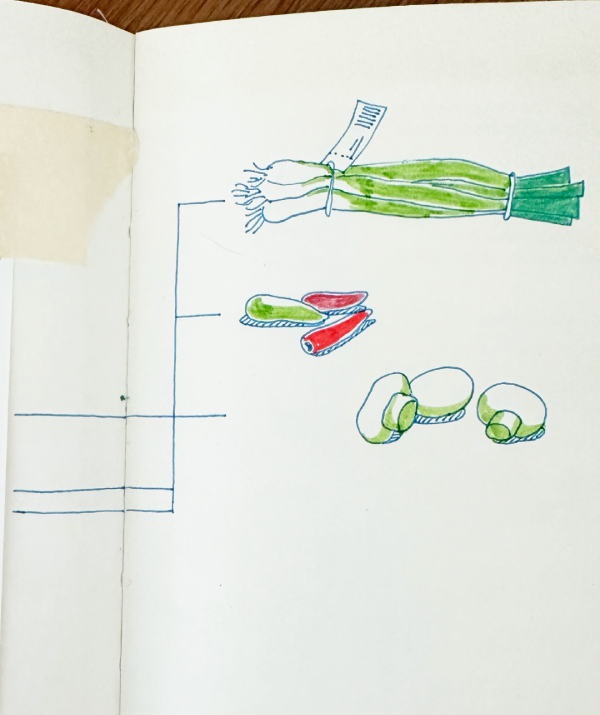
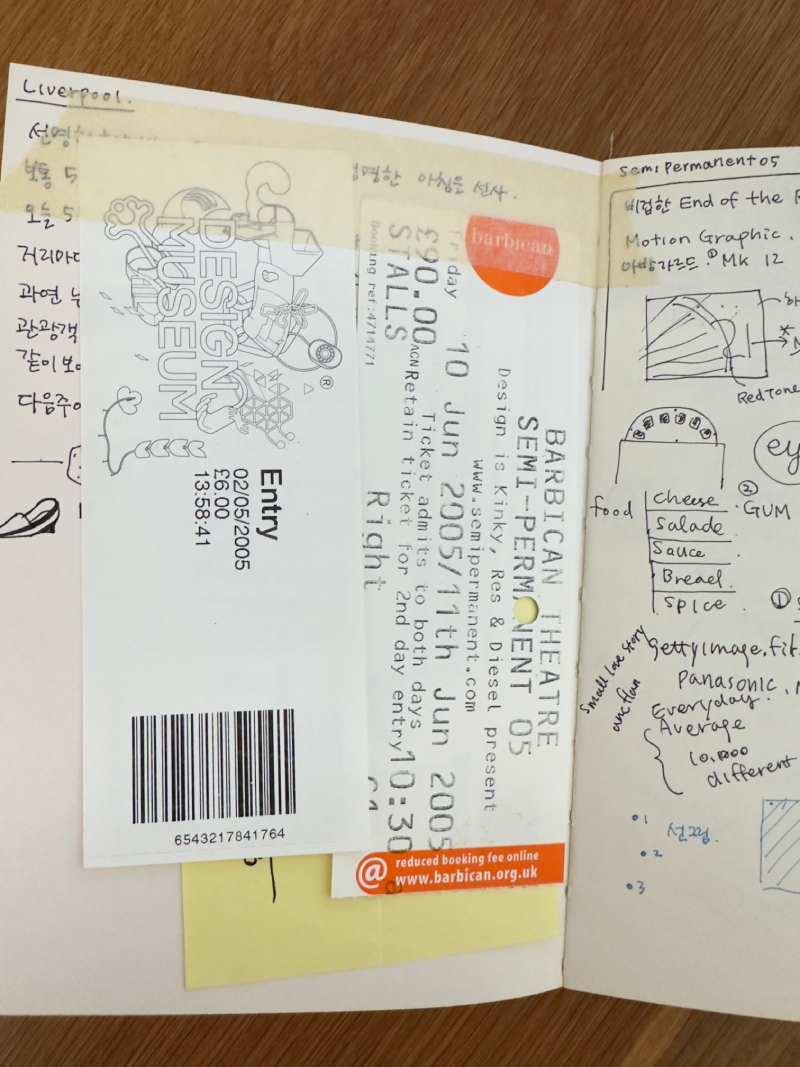
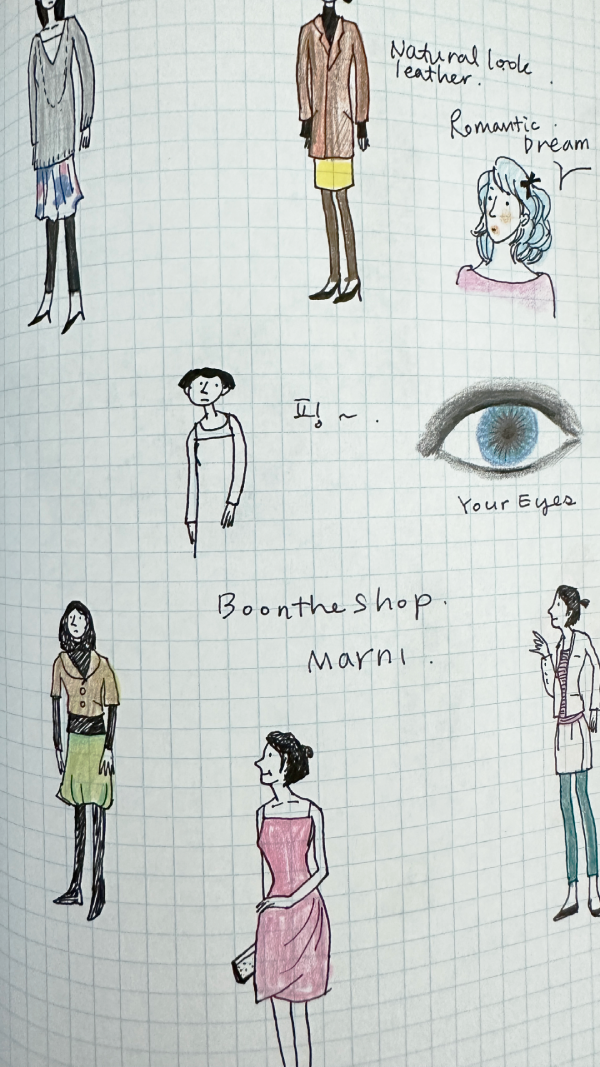
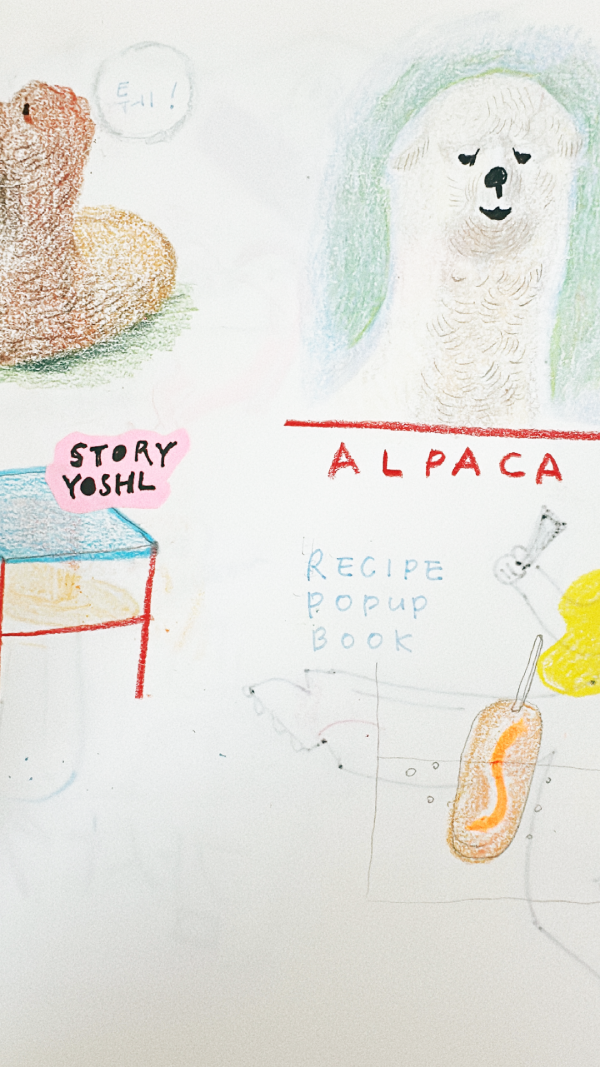
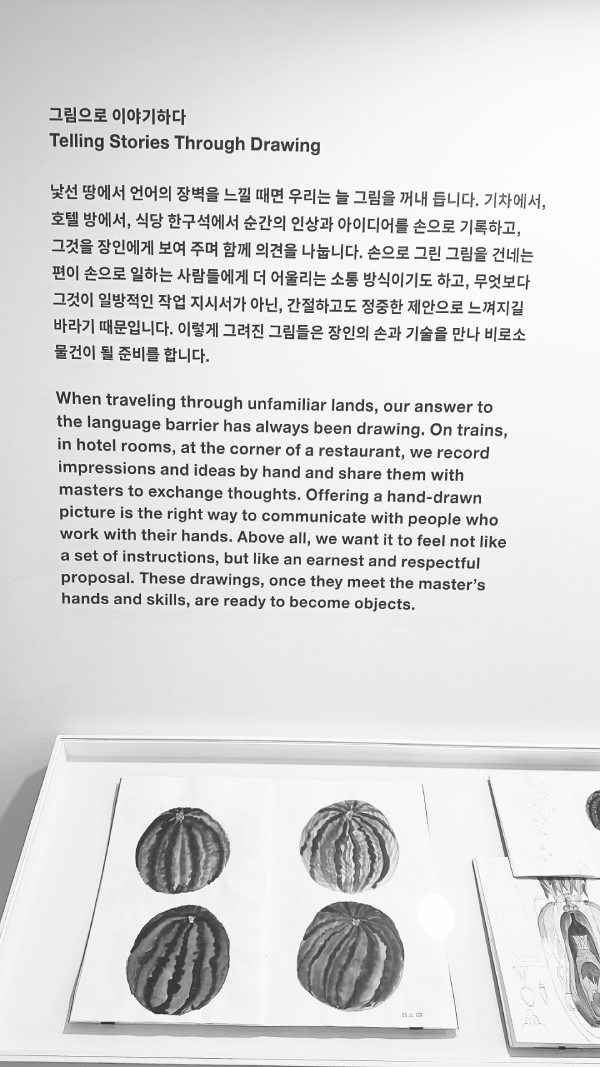
    I have never thought that my travel records should take a certain finished form. Instead, I simply scribbled to keep the fleeting moments from slipping away, to hold onto the version of myself that existed in that very second.

    However, after seeing a certain exhibition, a thought suddenly crossed my mind. Specifically, I wondered what if I had been more conscious of ‘building’ these records into something meaningful a bit earlier? Consequently, I felt a lingering regret that these traces could have provided a much richer and more solid foundation for my work as a designer and a planner.

    The Invisible People in Polished Frames

    Furthermore, I find it hard to connect with travelogues on social media even now. To be sure, users fill these platforms with neatly organized photos, flawless compositions, and perfect colors. Yet, strangely enough, I don’t “meet” anyone in them. In other words, these images fail to reveal the sensibilities of the people who passed through those places or what exactly made them stop in their tracks.

    For this reason, I keep writing. I do not write to provide information or to be useful to others; rather, I record solely for myself. Ultimately, my writing allows me to see what I was looking at, what I lingered on, and to discover what kind of person I am.

    The Living Breath of Old Notebooks

    Admittedly, I have considered throwing away my old notebooks many times. Nevertheless, every time I decide to clear out these seemingly meaningless piles of paper, I find myself flipping through the pages. Then, strangely, the records instantly transport me back. I feel the air, the temperature, and even the subtle moods of that day once again. In fact, these scribbles feel more vivid than any well-taken photograph. As a result, I still cannot let them go.

    In short, perhaps we all cherish the act of capturing and ruminating on memories in our own unique way.


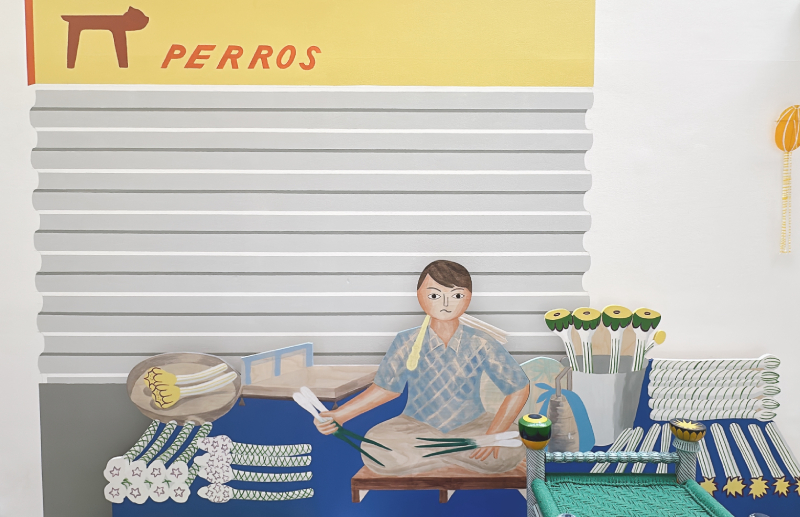
    [COMPANY World Affair]: From a Point of Discovery to an Object

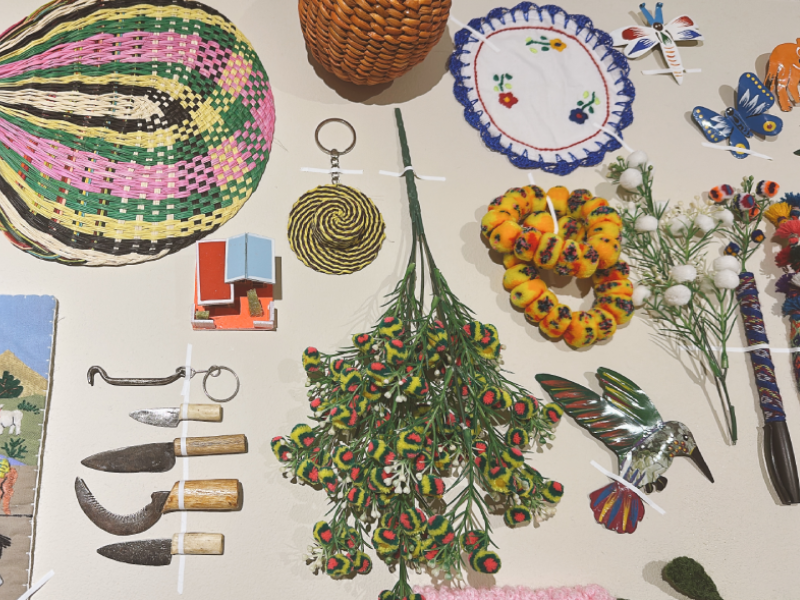
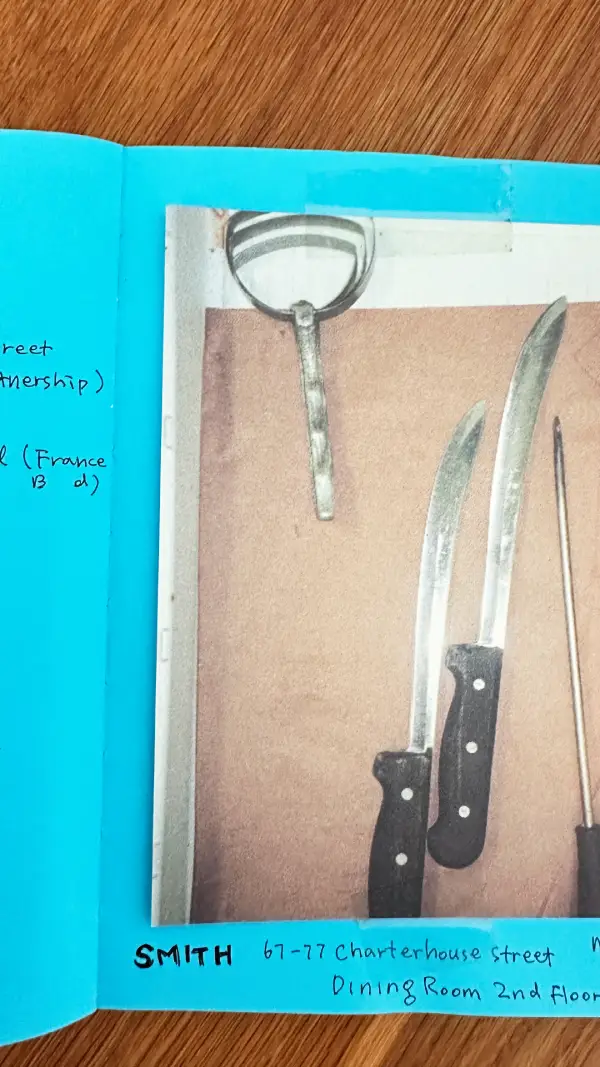
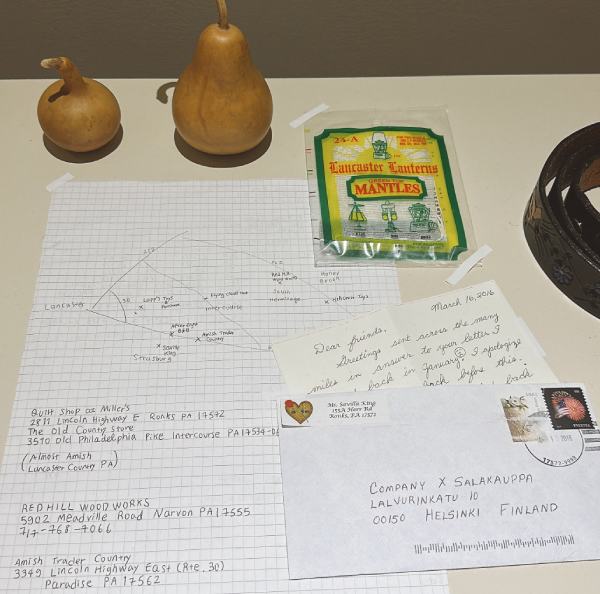
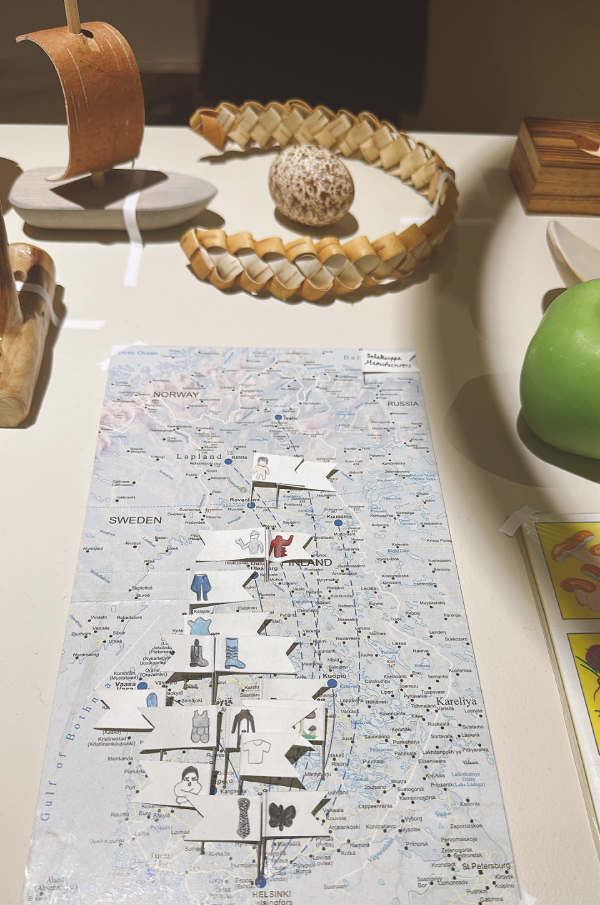
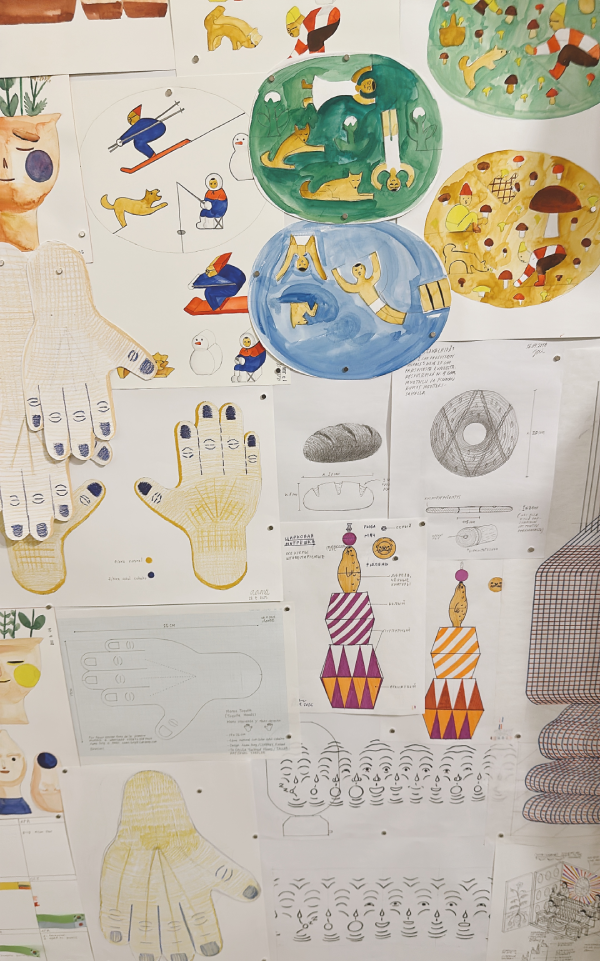
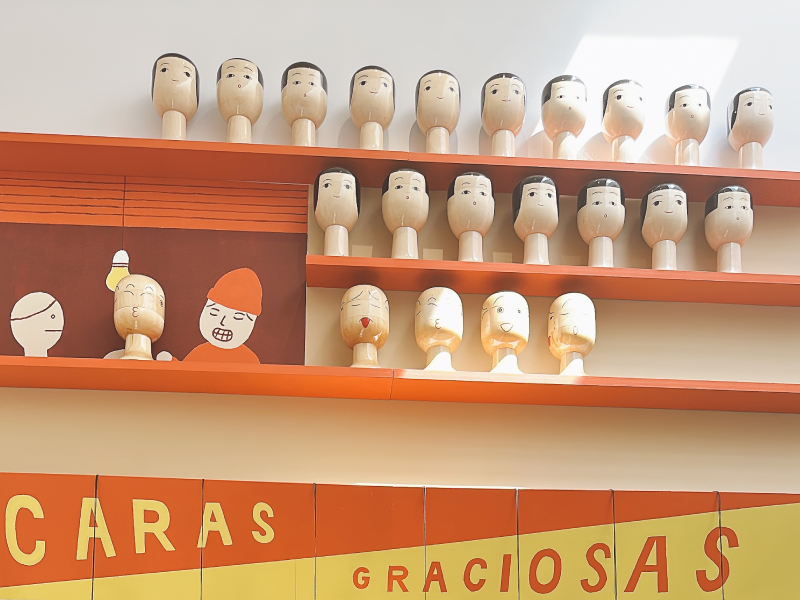
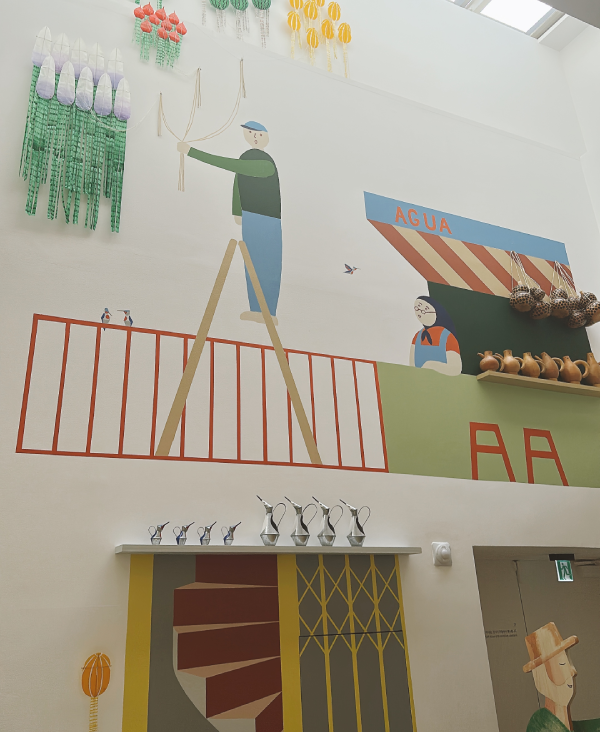
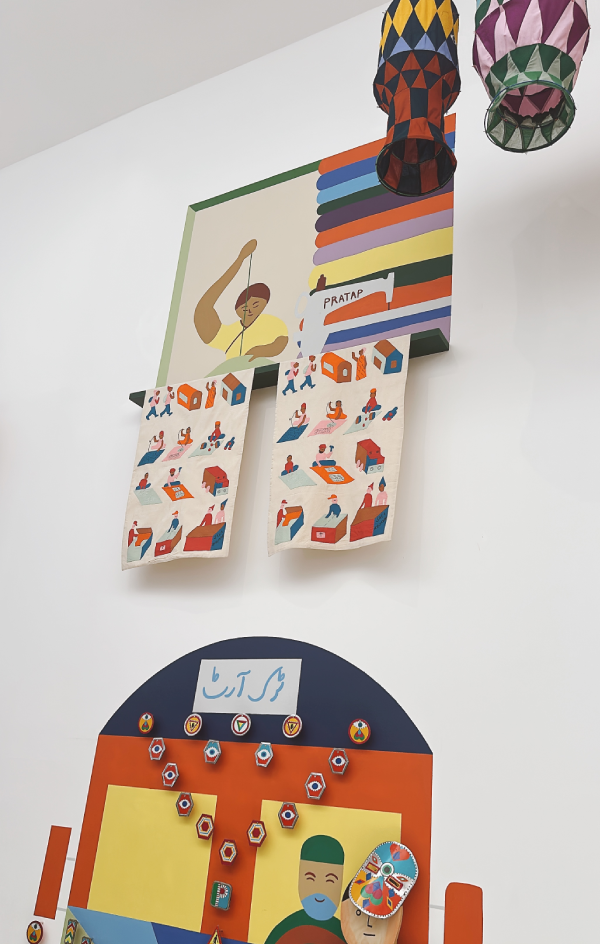
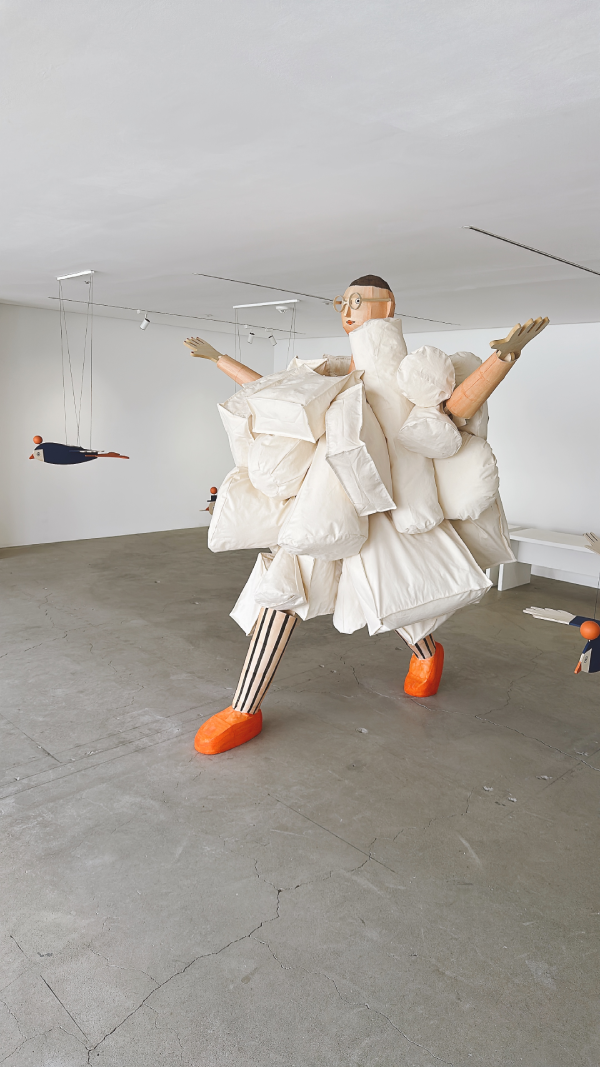
    The witty and sensible spaces and objects I encountered were the results of the artists’ unique perspectives discovered during their travels, brought to life through collaboration with local master artisans. To reveal and introduce such personal treasures to the world as an artist—how thrilling that process must have been.

    That joy was palpable throughout the exhibition. Resonating with that excitement, I felt as if my five senses were awakened, completing a small journey of my own. From the deep forests of Finland to the vibrant markets of Pakistan, seeing their collected wisdom and spirituality reinterpreted through a contemporary lens gave me hope: perhaps my own scribbled records could one day manifest into something with its own “physicality” and presence.

  • Hanji: The Secrets of the 1,000-Year Korean Paper That Breathes

    Hanji: The Secrets of the 1,000-Year Korean Paper That Breathes

    Does a paper that lasts a millennium truly exist? Hanji, Korea’s traditional handmade paper, is far more than a mere craft item. It is a sophisticated recording medium engineered to withstand the test of time and nature. In this guide, we explore the extraordinary properties of Hanji, its meticulous production process, and its evolution into a high-tech material for the modern era.

    The Allure of Hanji: A Journey Through Paper

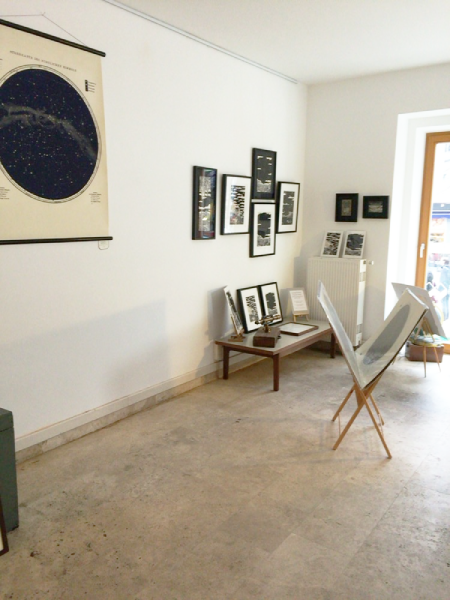
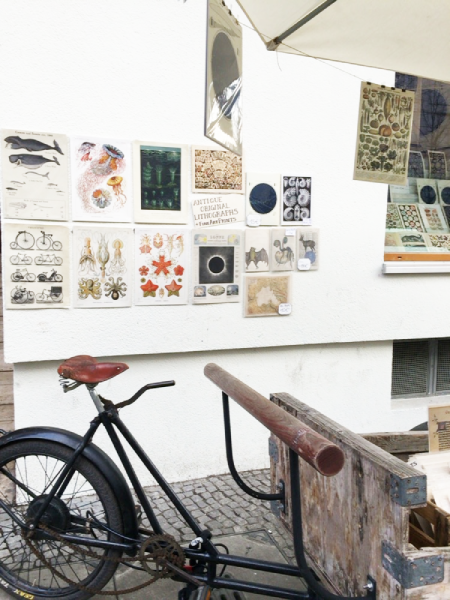
    To me, paper is never just a commodity; it is a vessel for inspiration. I take great pleasure in the diversity of how different countries handle and produce paper, from the raw materials used to the unique textures of the finished products. My appreciation for this craft grew while exploring the paper-scented spaces of Berlin and admiring the flawless, disciplined way things are organized and preserved in Tokyo. However, it was in Bukchon, Seoul, that this journey felt complete. Encountering Hanji in person was a moment of quiet clarity. Its unique texture carries a sense of permanence that I hadn’t felt elsewhere. Hanji isn’t just a surface to write on; it is a material that holds time.

    Berlin’s hidden gem, now a memory

    The Science of Hanji: Why Does It Last 1,000 Years?

    1. pH Neutrality and Unrivaled Durability

    Unlike Western wood-pulp paper, which turns yellow and brittle due to its acidic nature, Hanji is a pH-neutral paper made from the inner bark of the mulberry tree. This structural integrity allows it to resist aging. A prime example is the Dharani Sutra, printed in the 8th century, which remains perfectly preserved today—testament to Hanji’s incredible longevity.

    2. The “Washable” Paper: Strength Against Moisture

    Hanji features long, interlocking fibers that do not easily tear even when soaked. It possesses a unique resilience that allows it to maintain its shape after drying. This remarkable trait has earned it the nickname “the paper you can wash and reuse.”

    3. A Breathable, Eco-Friendly Material

    Produced using natural lye and sun-bleaching rather than harsh chemicals, Hanji is non-toxic and eco-friendly. Its micro-porous structure acts as a “natural air purifier,” regulating humidity and allowing air to circulate.

    The Craftsmanship: 99 Touches of the Artisan

    1. Preparation of the Bark: Stripping and refining the mulberry bark is the foundational step that determines quality.
    2. Boiling in Lye: The fibers are boiled in natural lye for alkaline treatment, making them soft and pure.
    3. Sun Bleaching: Instead of chemical bleaches, the fibers are whitened under the sun to minimize damage.
    4. Beating (Go-hae): The fibers are rhythmically beaten to ensure they disperse evenly in water.
    5. Oebaltteugi & Dochim: The pinnacle of Hanji making. ‘Oebaltteugi’ (a unique multi-directional dipping technique) weaves the fibers into a sturdy web, while ‘Dochim’ (repeatedly pounding the dried paper) compacts the surface for ultimate density and smoothness.

    Comparison of East Asian Heritage Papers

    While the traditional papers of Korea, China, and Japan may look similar, their “water-flowing” techniques create distinct characteristics.

    CategoryKorea: HanjiJapan: WashiChina: Xuan
    TechniqueOebaltteugi (Cross-weave)Nagashizuki (Linear-weave)Sedimentary Casting
    Key StrengthExtreme Durability & ToughnessThin, Uniform TextureSuperior Ink Absorption
    Secret WeaponDochim (Pounding finish)N/AN/A
    Primary UsePreservation, ArchitectureFine Crafts, DesignCalligraphy & Ink Painting

    The Modern Evolution: From Tradition to High-Tech

    Hanji is transcending its traditional roots to become a sought-after material in global high-tech industries.

    • High-End Audio: The irregular interlocking fibers capture delicate vibrations, making Hanji an ideal material for premium speaker diaphragms.
    • Sustainable Architecture: Its humidity-regulating and breathable properties make it a healthy, eco-friendly interior material.
    • Aerospace & Automotive: Lightweight yet incredibly strong, Hanji is being researched for use in satellite components and luxury car interiors.

    Eco-Fashion: Based on Jiseung (paper-weaving) techniques, Hanji textiles are antimicrobial and hypoallergenic—a rising star in vegan leather alternatives.

    FAQ

    Q: Why is Hanji more expensive than standard paper?

    A: Every sheet is a product of intense labor, from the harvest of mulberry trees to the final pounding (Dochim). It is an artisanal product rather than a mass-produced one.

    Q: Is Hanji waterproof?

    A: While not inherently waterproof, it is highly water-resistant. It does not disintegrate when wet and regains its strength once dried.

    Hanji is the “Art of Defying Time”

    In an era of fleeting digital records, the physical tactile beauty and thousand-year lifespan of Hanji shine brighter than ever. It is more than just paper; it is a high-performance material that bridges nature, humanity, and time. Why not trust your most precious records to the paper that never dies?

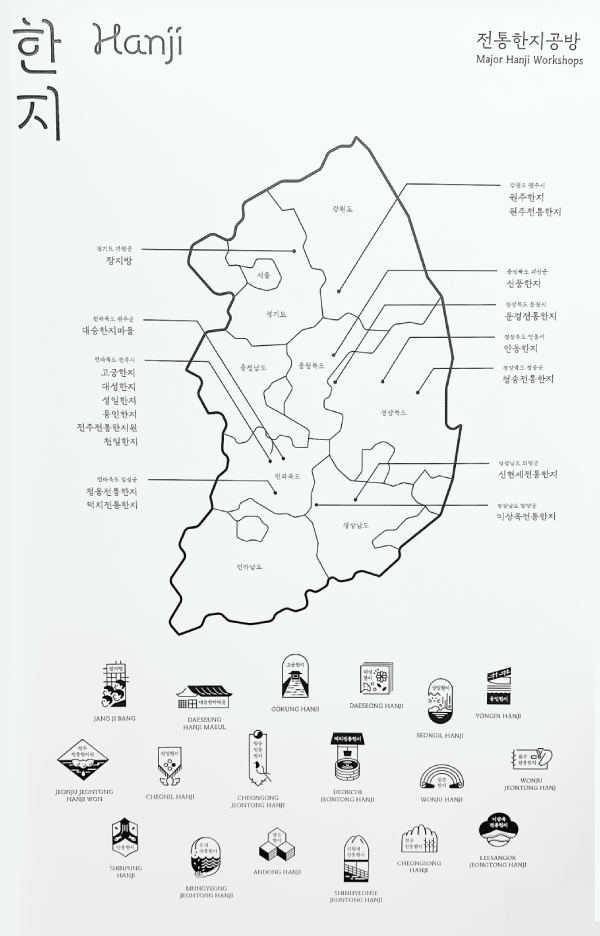
    Hanji House (Hanji Gaheon) in Bukchon

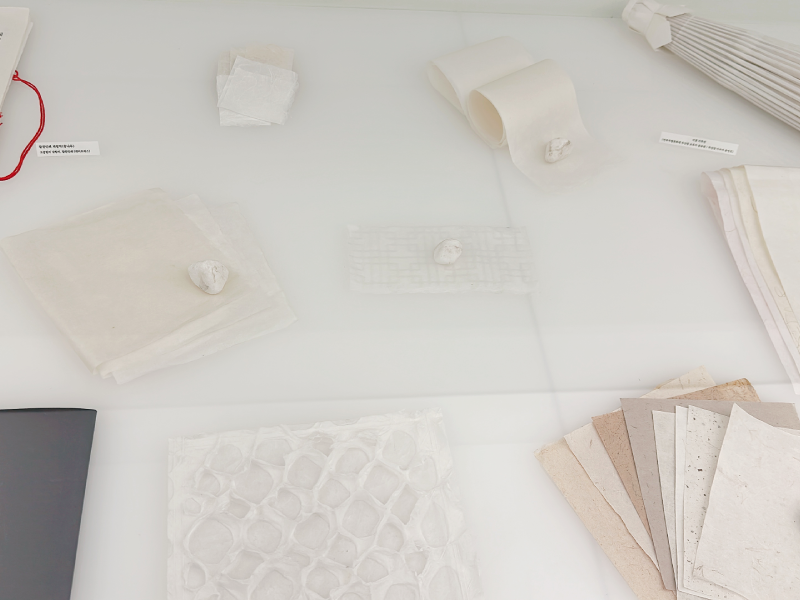
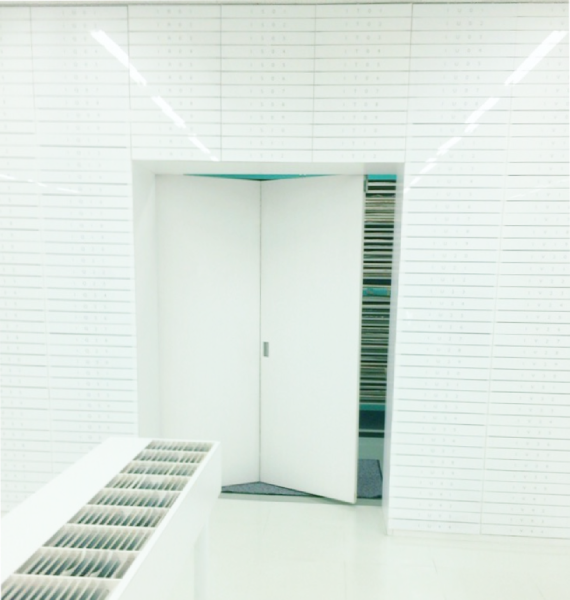
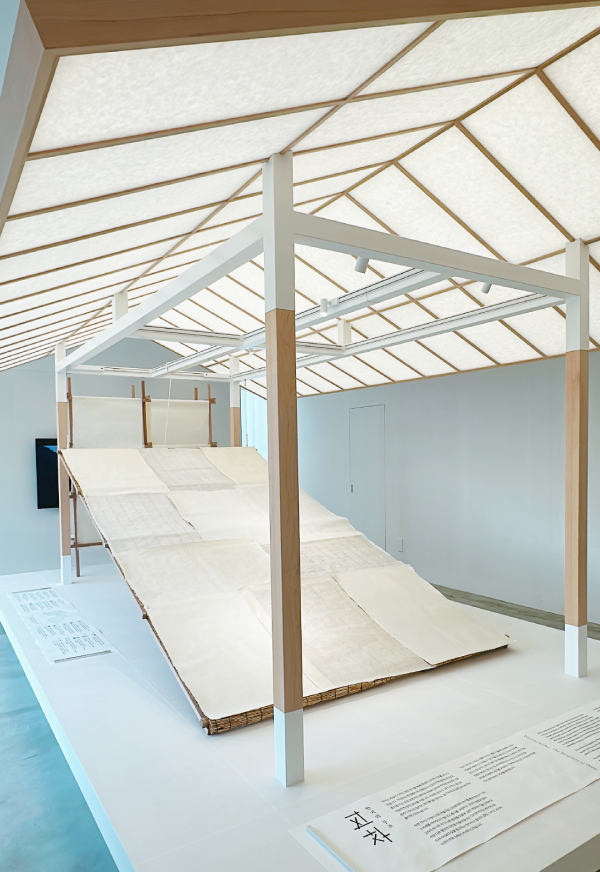
    Located in a quiet corner of Bukchon, Hanji House (Hanji Gaheon) is a space dedicated to the essence of traditional paper. The gallery is thoughtfully designed around the concept of “interlacing”—the core technique where mulberry fibers cross to create Hanji’s legendary strength.

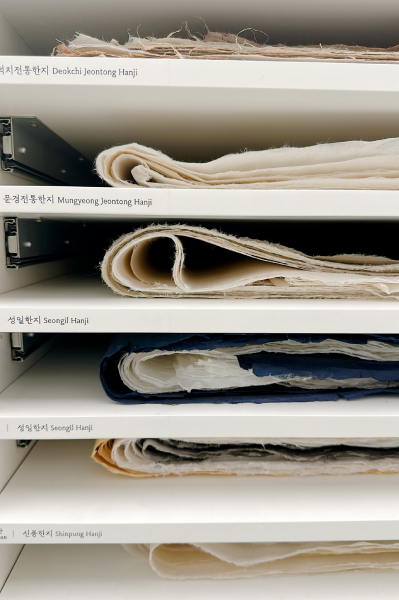
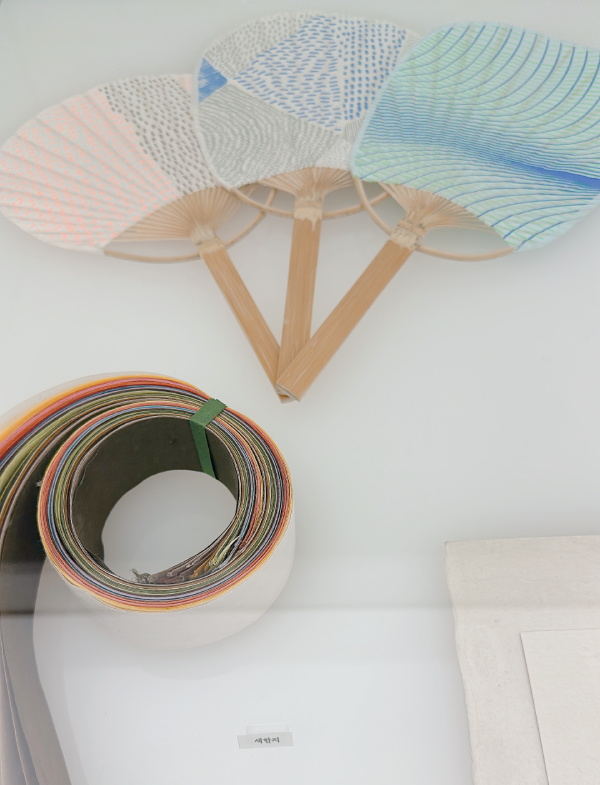
    Here, you can explore a wide collection of paper samples from traditional studios across Korea, each offering a unique texture and character. The space also provides hands-on areas where you can experience the warmth of the material firsthand. For those seeking a deeper connection, detailed docent tours and specialized programs are available through reservation. It is a place where you can truly appreciate the “power of interlacing” that has held through time.


    My Long-Standing Love for Paper

  • Seoul, A Walk Through Art Vol.2: The Creative Corners of Itaewon

    Seoul, A Walk Through Art Vol.2: The Creative Corners of Itaewon

    Itaewon is known for its food and shopping, but it’s also one of Seoul’s most inspiring neighborhoods for gallery hopping. Stretching from Hannam-dong to Itaewon, this area is perfect for a slow, thoughtful art walk.
    Here are six carefully selected galleries (plus one special archive space) that are well worth adding to your itinerary. Exhibition schedules may change, but each space is worth visiting for its atmosphere alone.


    Leeum Museum of Art

    Leeum Museum of Art is a landmark cultural destination in the Itaewon–Hannam area. The museum presents an impressive balance of Korean traditional art, modern works, and global contemporary art.

    Designed by world-renowned architects such as Tadao Ando and Jean Nouvel, the building itself feels like a work of art. Even without entering an exhibition, simply walking through the space is a rewarding experience. It’s an ideal starting point for an Itaewon gallery tour.

    Recommended for

    First-time gallery hoppers in Itaewon
    Those who want to enjoy both art and architecture

    https://www.leeumhoam.org/leeum


    Albus Gallery

    Albus Gallery presents exhibitions that gently explore contemporary visual culture with a warm, human sensibility. The space feels calm and intimate, allowing small, personal stories to surface naturally.

    There is a distinct warmth and quiet wit in the curatorial approach, and from the moment you step inside, the gallery feels genuinely welcoming. For anyone visiting Itaewon, it’s highly recommended to check Albus Gallery’s exhibition schedule in advance.

    Recommended for

    Those who appreciate small, thoughtful exhibitions with a human touch
    Visitors who enjoy a calm, welcoming atmosphere over spectacle
    Anyone looking for a quiet, meaningful stop while exploring Itaewon

    https://albusgallery.com


    Esther Schipper, Seoul

    The Seoul outpost of the Berlin-based gallery Esther Schipper brings internationally recognized contemporary artists to the local scene. It’s a rare chance to experience global contemporary art in depth without leaving the city.

    With its minimalist interior and highly polished exhibitions, the gallery leaves a particularly refined and lasting impression. As you move upward along the narrow staircase filled with natural light, the outside world gradually fades away, allowing you to become fully absorbed in the works on view.

    Recommended for

    Those interested in global contemporary art
    Visitors who value strong, thoughtful curation

    https://www.estherschipper.com


    Working With Friend

    Working With Friend operates more like a project space than a traditional gallery. Art, design, and brand collaborations intersect here in flexible and experimental ways.

    Each exhibition feels different, and the space constantly evolves, making every visit feel fresh and unexpected. The vivid works bring a lively, youthful energy to the space, inviting visitors to enjoy art in a relaxed and social way. True to its name, it’s a place where you can take in the exhibition with friends and then unwind at the café on the ground floor, easing into a slower moment before moving on.

    Recommended for

    Those interested in the intersection of art and lifestyle
    Visitors who enjoy experimental exhibition formats

    https://wwf.kr


    FOUNDRY SEOUL

    FOUNDRY SEOUL connects contemporary art with collector culture, showcasing works across painting, sculpture, and installation. The exhibitions are well-balanced and thoughtfully arranged.

    With its relatively spacious layout and comfortable flow, it’s an excellent place to take your time and view artworks at a relaxed pace.

    Recommended for

    Visitors interested in collectible contemporary art
    Those who appreciate polished exhibition design

    https://foundryseoul.net


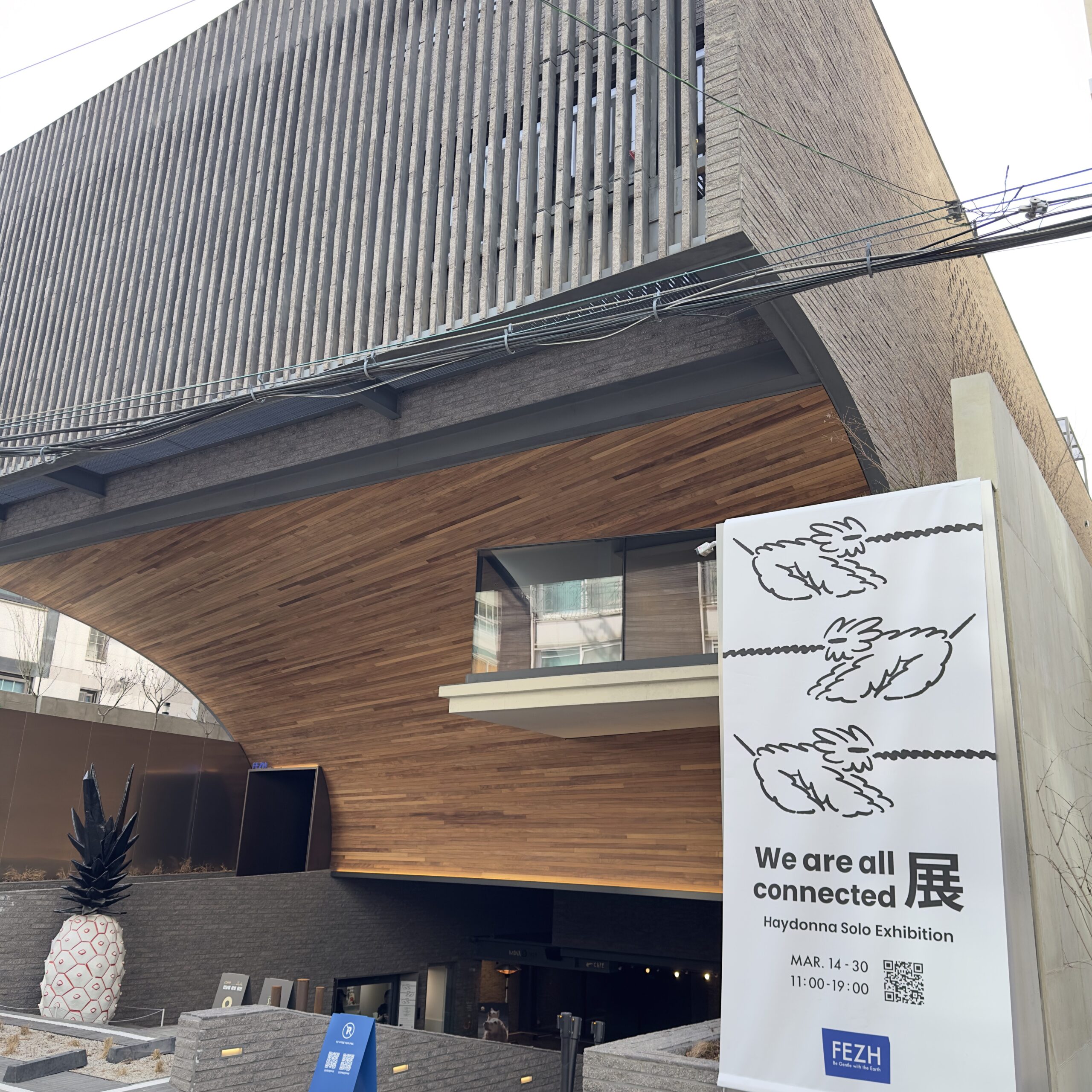
    FEZH

    FEZH is a unique space where fashion, art, and street culture come together. Breaking away from the conventions of traditional galleries, it embraces a freer, more experimental approach to exhibitions and events.

    Among Itaewon’s many creative spaces, FEZH best captures the area’s vibrant, edgy aesthetic and subcultural spirit.

    Recommended for

    Fans of bold, character-driven spaces
    Anyone who enjoys art as part of a broader cultural experience

    https://www.instagram.com/fezh.hannam/?hl=en


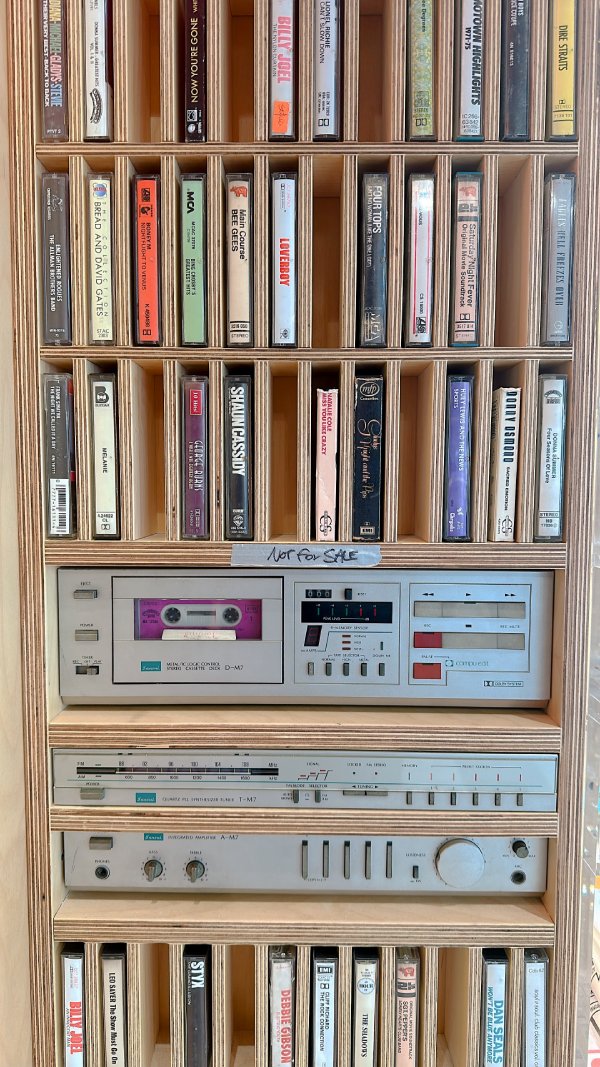
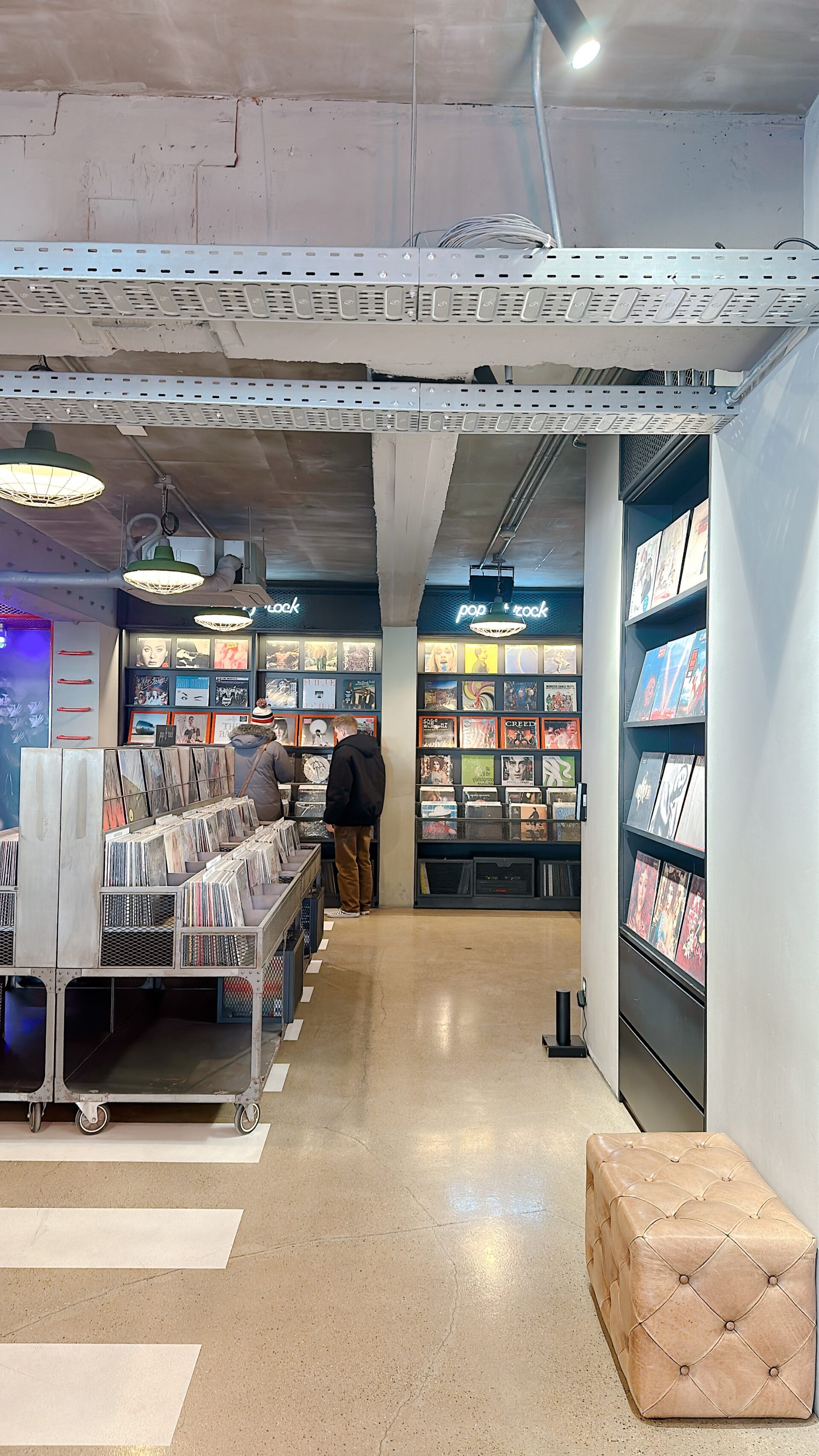
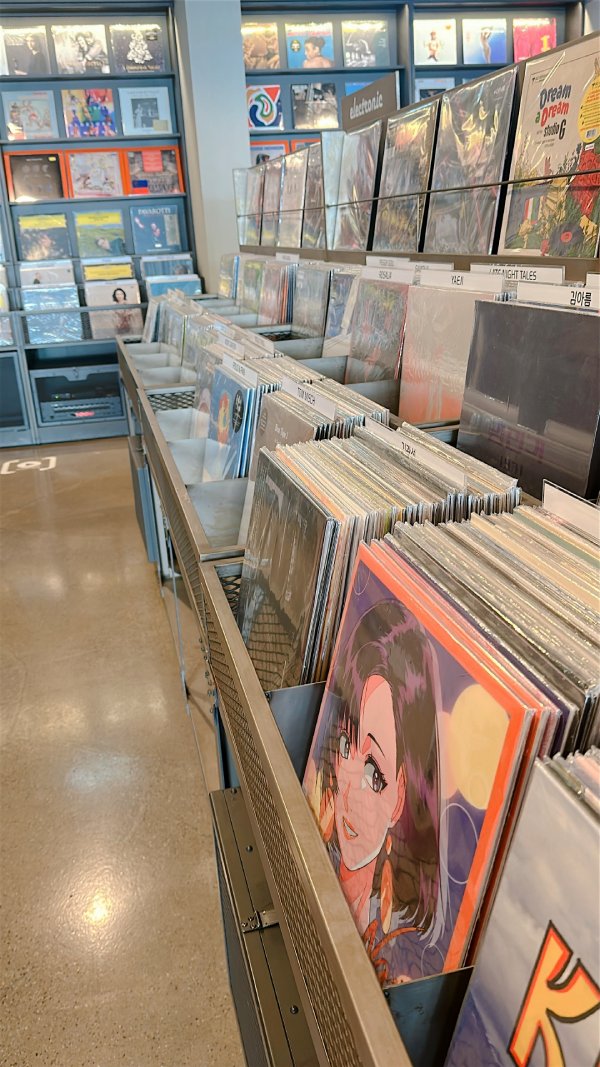
    While most of the places on this list focus on visual art, not every stop needs to be a gallery. Once you’ve had enough visual stimulation, it can be refreshing to pause and enjoy sound instead — spending a quiet moment with records and turntables before continuing your walk.

    Hyundai Card Music Library

    Hyundai Card Music Library is a carefully curated archive dedicated entirely to music. From vinyl records to rare albums and reference materials, the collection spans a wide range of genres and eras.

    Rather than a space for exhibitions, it’s designed for slow listening and quiet exploration. The atmosphere is calm and focused, making it one of the best places in Itaewon to step away from the crowds and immerse yourself in sound.

    Recommended for

    Music lovers who enjoy discovering new sounds at their own pace
    Anyone looking for a quiet, reflective space in Itaewon

    https://dive.hyundaicard.com/web/musiclibrary/spaceMain.hdc


    Itaewon’s charm can’t be defined by a single word. Walking through its galleries at an unhurried pace reveals why this neighborhood continues to hold such strong creative energy within Seoul.

    Always check official websites or social media for exhibition schedules and closing days before visiting.

  • The Last Jesa Table: Closing My Family’s Chapter

    The Last Jesa Table: Closing My Family’s Chapter

    The Fading Tradition

    It feels like this tradition is disappearing with my generation. My parents might be the last generation to perform ‘Jesa’ (제사), the Korean Confucian ceremony of worshipping ancestors.

    In my family, we held rites for ancestors up to my great-grandparents, so we had ‘Jesa’ several times a year. Since my father is the eldest son (Jangnam), these rituals always took place at our house.

    As a child, I simply loved those days. All my cousins would gather, we didn’t have to do homework, and we played late into the night. It was just a fun party for us kids.

    The Weight of Mother’s Labor

    But the moment I discovered my mother’s toil, those days became a burden on my heart. Aside from the meaning of honoring ancestors, for the descendants living in reality—especially the women—it was a negative experience. How can I evaluate tradition? I can’t. But I certainly have the right to evaluate my mother’s hard work. Here is why.

    The food preparation begins a week in advance. There are mandatory menu items that must be on the table: Beef soup, rice, dried croaker (Gulbi), skewered meat (Sanjeok), three-color seasoned vegetables (Namul), various pancakes (Jeon), and Bindaetteok. Sometimes, we added special foods the ancestors preferred when they were alive.

    My mother never did anything carelessly. She trimmed, cooked, and prepared everything with her whole heart, which required an immense amount of time and effort. On top of that, during major holidays like Seollal(Lunar New Year) and Chuseok, the same table setting and rituals (called Charye) were required.

    The table was recently reduced to half its size, but every dish still demands time, care, and devotion.

    The Ritual: Hunger and Strict Rules

    Jesa was always held at night. We had to skip dinner before the ritual, so we started the ceremony clutching our hungry stomachs.

    The table setting begins with reverence and caution. Food is placed on a low, wide table according to strict rules like “Hong-Dong-Baek-Seo” (Red foods on the East, White on the West) and “Eo-Dong-Yuk-Seo” (Fish on the East, Meat on the West). The tops of the fruits are cut off to make it easier for the ancestors to eat. We light incense and candles to signal our location to the spirits.

    Once the table is set, the ceremony begins. We rotate the alcohol cup over the incense smoke and place it near the rice bowl. It’s as if the deceased ancestors are sitting right there. We treat them with the utmost politeness using two hands. Then, the men stand in a line facing the table and bow. Not once, but twice.

    Amidst rising wisps of incense smoke in a reverence-filled space, offering a deeply devoted bow in honor of ancestors.

    The Aftermath: Blessings and Dirty Dishes

    When my father, the eldest son, finally says, “It’s over,” it becomes dining time for the descendants. The food offered on the ritual table becomes our late dinner. The ceremony always ended late at night.

    And then, the reality hits. Did we truly accumulate ancestral blessings as high as that stack of dirty dishes?

    On holidays like Seollal, this ceremony happens in the morning. The ancestors eat first, and then the descendants eat.

    My Own Way of Remembering

    To be honest, holding rites for ancestors I had never even met didn’t really touch my heart.

    With the rise of nuclear families and growing individualism, the rigid and burdensome formalities of these rituals are naturally fading away. While the situation varies from family to family, the tradition of strict ancestral rites is gradually disappearing.

    Even if these traditions eventually disappear, I would still set the table with all my sincerity whenever I want to remember my loved ones. It would be a personal ritual featuring their favorite foods—a quiet, meaningful way to meet them again with my heart.