
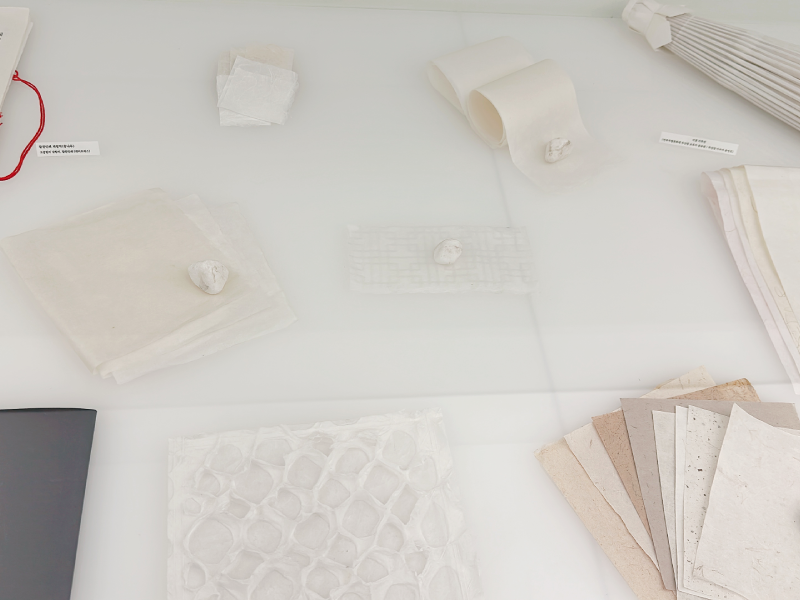
Does a paper that lasts a millennium truly exist? Hanji, Korea’s traditional handmade paper, is far more than a mere craft item. It is a sophisticated recording medium engineered to withstand the test of time and nature. In this guide, we explore the extraordinary properties of Hanji, its meticulous production process, and its evolution into a high-tech material for the modern era.
The Allure of Hanji: A Journey Through Paper
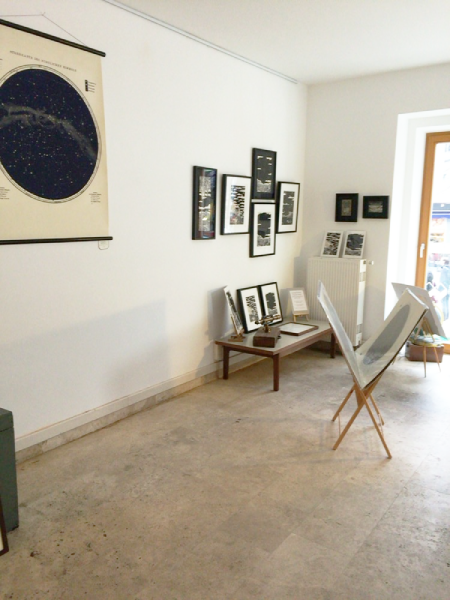
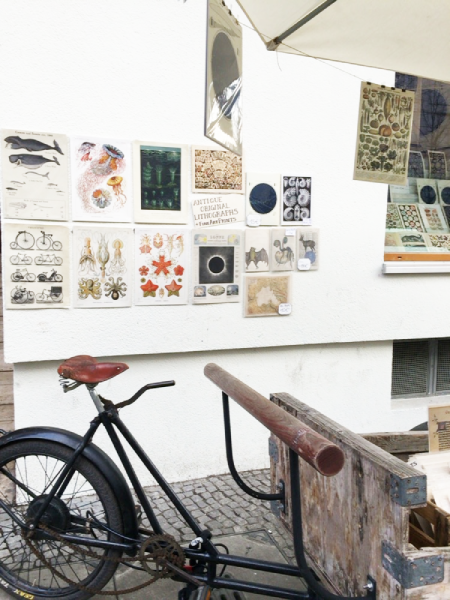
To me, paper is never just a commodity; it is a vessel for inspiration. I take great pleasure in the diversity of how different countries handle and produce paper, from the raw materials used to the unique textures of the finished products. My appreciation for this craft grew while exploring the paper-scented spaces of Berlin and admiring the flawless, disciplined way things are organized and preserved in Tokyo. However, it was in Bukchon, Seoul, that this journey felt complete. Encountering Hanji in person was a moment of quiet clarity. Its unique texture carries a sense of permanence that I hadn’t felt elsewhere. Hanji isn’t just a surface to write on; it is a material that holds time.
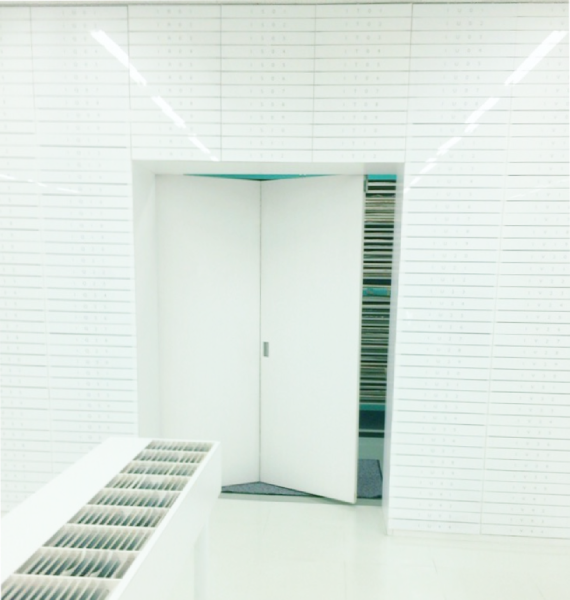
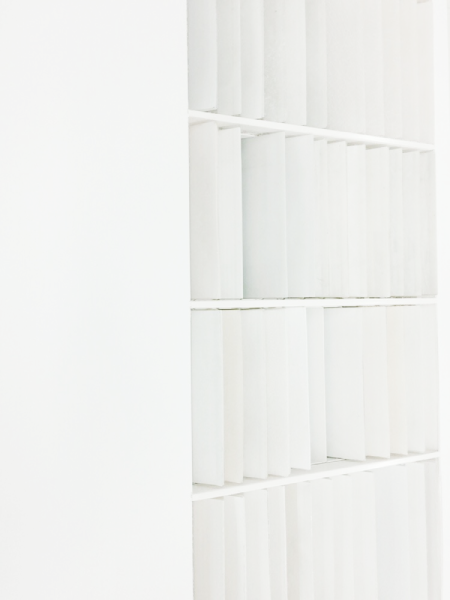
Takeo Paper Shop, Kanda➔ ➔
The Science of Hanji: Why Does It Last 1,000 Years?
1. pH Neutrality and Unrivaled Durability
Unlike Western wood-pulp paper, which turns yellow and brittle due to its acidic nature, Hanji is a pH-neutral paper made from the inner bark of the mulberry tree. This structural integrity allows it to resist aging. A prime example is the Dharani Sutra, printed in the 8th century, which remains perfectly preserved today—testament to Hanji’s incredible longevity.
2. The “Washable” Paper: Strength Against Moisture
Hanji features long, interlocking fibers that do not easily tear even when soaked. It possesses a unique resilience that allows it to maintain its shape after drying. This remarkable trait has earned it the nickname “the paper you can wash and reuse.”
3. A Breathable, Eco-Friendly Material
Produced using natural lye and sun-bleaching rather than harsh chemicals, Hanji is non-toxic and eco-friendly. Its micro-porous structure acts as a “natural air purifier,” regulating humidity and allowing air to circulate.
The Craftsmanship: 99 Touches of the Artisan
- Preparation of the Bark: Stripping and refining the mulberry bark is the foundational step that determines quality.
- Boiling in Lye: The fibers are boiled in natural lye for alkaline treatment, making them soft and pure.
- Sun Bleaching: Instead of chemical bleaches, the fibers are whitened under the sun to minimize damage.
- Beating (Go-hae): The fibers are rhythmically beaten to ensure they disperse evenly in water.
- Oebaltteugi & Dochim: The pinnacle of Hanji making. ‘Oebaltteugi’ (a unique multi-directional dipping technique) weaves the fibers into a sturdy web, while ‘Dochim’ (repeatedly pounding the dried paper) compacts the surface for ultimate density and smoothness.
Comparison of East Asian Heritage Papers
While the traditional papers of Korea, China, and Japan may look similar, their “water-flowing” techniques create distinct characteristics.
| Category | Korea: Hanji | Japan: Washi | China: Xuan |
| Technique | Oebaltteugi (Cross-weave) | Nagashizuki (Linear-weave) | Sedimentary Casting |
| Key Strength | Extreme Durability & Toughness | Thin, Uniform Texture | Superior Ink Absorption |
| Secret Weapon | Dochim (Pounding finish) | N/A | N/A |
| Primary Use | Preservation, Architecture | Fine Crafts, Design | Calligraphy & Ink Painting |
The Modern Evolution: From Tradition to High-Tech
Hanji is transcending its traditional roots to become a sought-after material in global high-tech industries.
- High-End Audio: The irregular interlocking fibers capture delicate vibrations, making Hanji an ideal material for premium speaker diaphragms.
- Sustainable Architecture: Its humidity-regulating and breathable properties make it a healthy, eco-friendly interior material.
- Aerospace & Automotive: Lightweight yet incredibly strong, Hanji is being researched for use in satellite components and luxury car interiors.
Eco-Fashion: Based on Jiseung (paper-weaving) techniques, Hanji textiles are antimicrobial and hypoallergenic—a rising star in vegan leather alternatives.
FAQ
Q: Why is Hanji more expensive than standard paper?
A: Every sheet is a product of intense labor, from the harvest of mulberry trees to the final pounding (Dochim). It is an artisanal product rather than a mass-produced one.
Q: Is Hanji waterproof?
A: While not inherently waterproof, it is highly water-resistant. It does not disintegrate when wet and regains its strength once dried.
Hanji is the “Art of Defying Time”
In an era of fleeting digital records, the physical tactile beauty and thousand-year lifespan of Hanji shine brighter than ever. It is more than just paper; it is a high-performance material that bridges nature, humanity, and time. Why not trust your most precious records to the paper that never dies?
Hanji House (Hanji Gaheon) in Bukchon
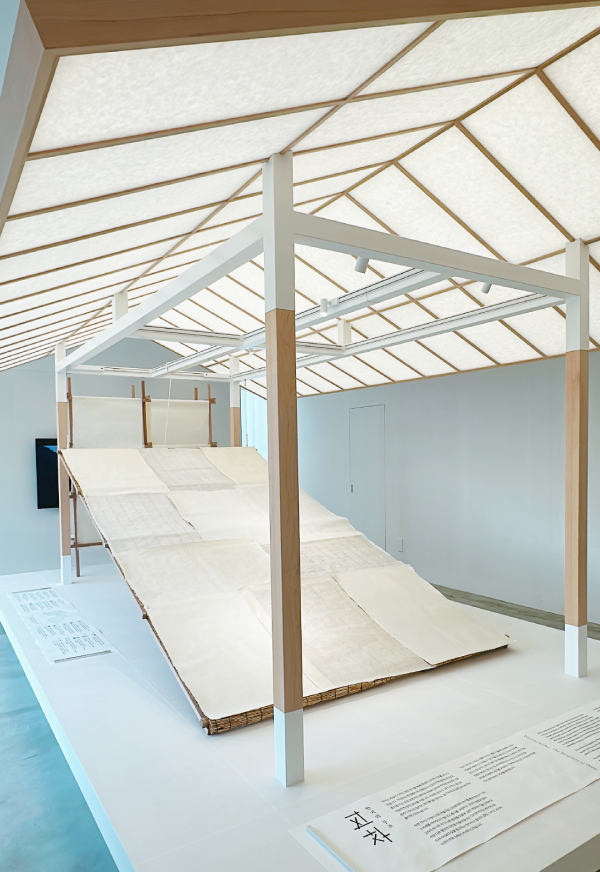
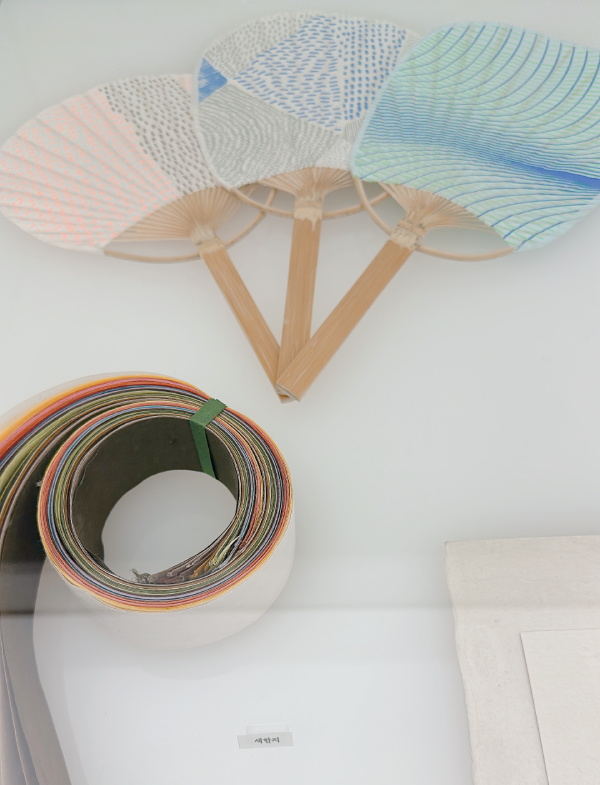
Located in a quiet corner of Bukchon, Hanji House (Hanji Gaheon) is a space dedicated to the essence of traditional paper. The gallery is thoughtfully designed around the concept of “interlacing”—the core technique where mulberry fibers cross to create Hanji’s legendary strength.
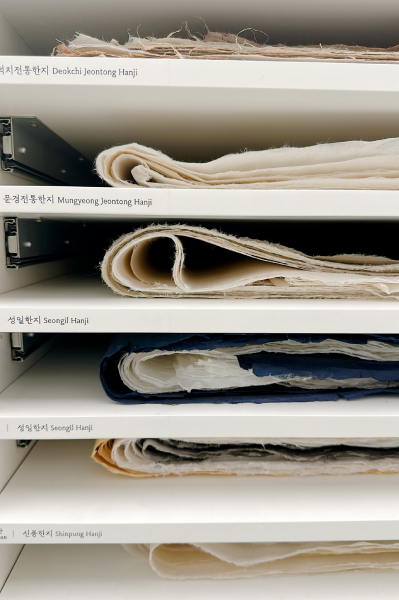
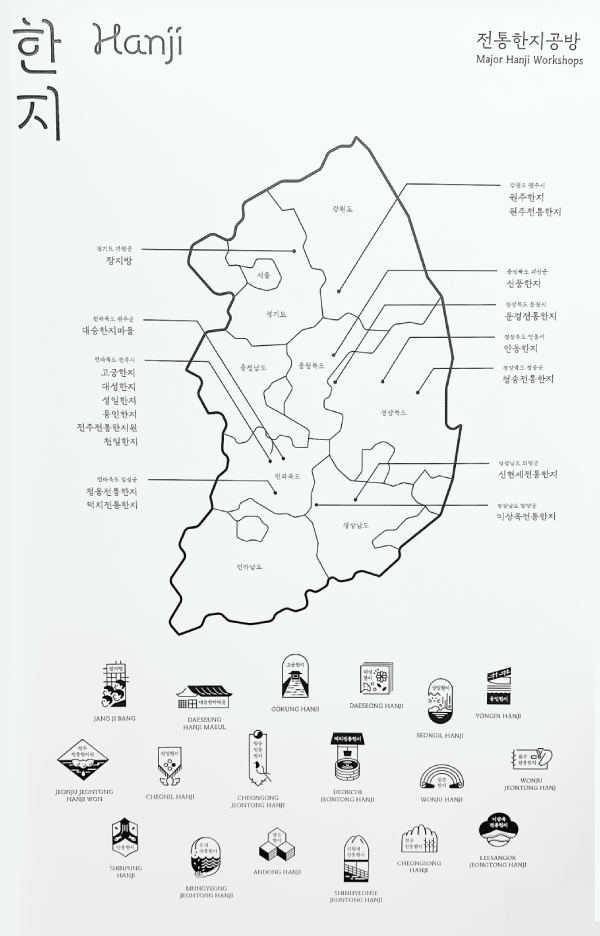
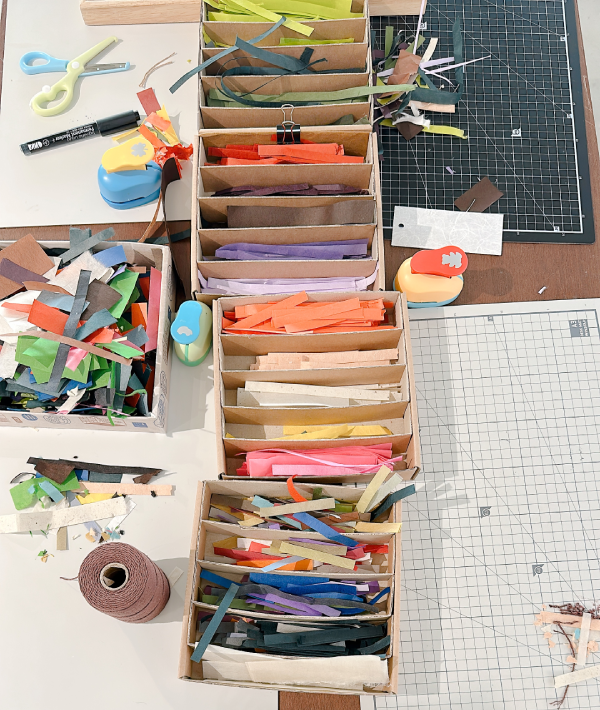
Here, you can explore a wide collection of paper samples from traditional studios across Korea, each offering a unique texture and character. The space also provides hands-on areas where you can experience the warmth of the material firsthand. For those seeking a deeper connection, detailed docent tours and specialized programs are available through reservation. It is a place where you can truly appreciate the “power of interlacing” that has held through time.
Learn More & Book a Visit ➔ ➔
My Long-Standing Love for Paper
[Private Curation: A Journey Through Collected Paper] ➔ ➔