
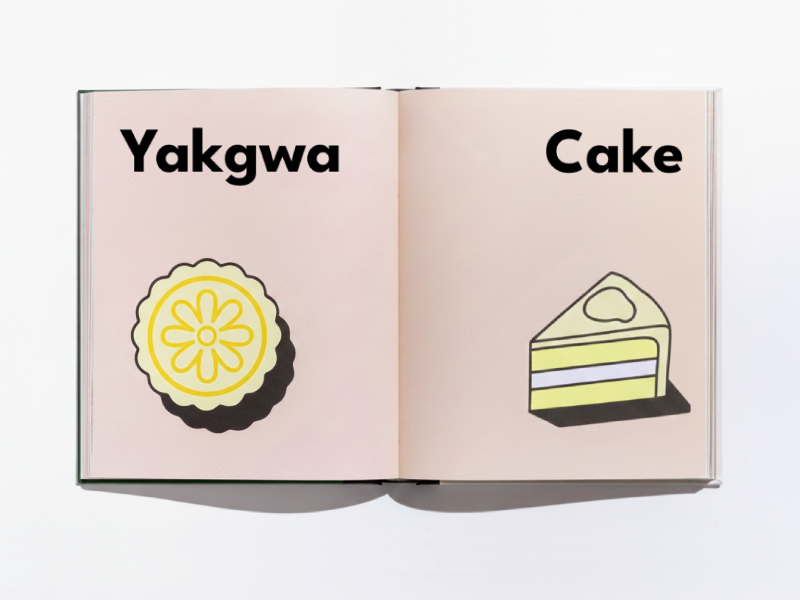
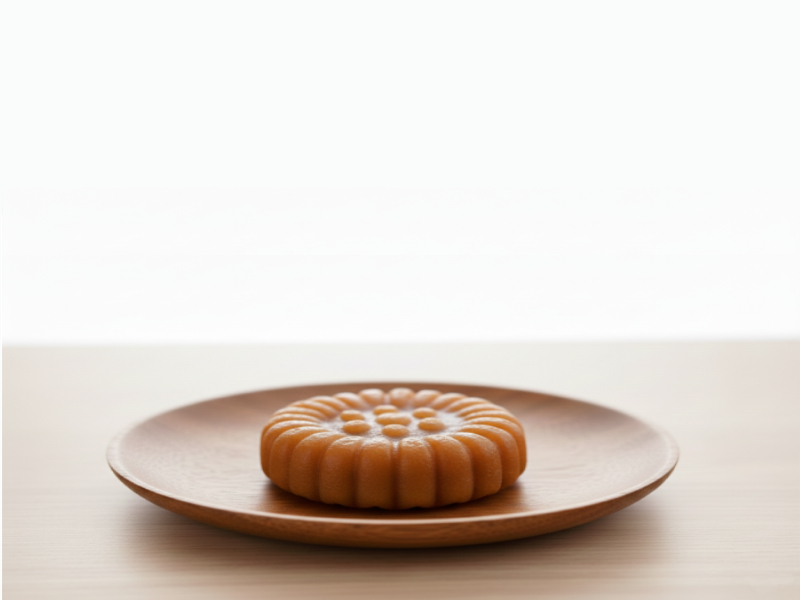
“It’s Yakgwa.”
A honey-glazed Korean cookie known as Yakgwa. It has a soft, chewy texture with a subtle sweetness and a hint of ginger.
In Korea, when something is just a warm-up or “nothing” compared to what’s coming next, we call it Yakgwa. It’s the ultimate way of saying, “That part was easy.”
But wait—why a cookie? For a non-Korean, hearing someone compare a physical challenge to a traditional honey confection might sound as mysterious as a Korean hearing that something is “a piece of cake” or “as easy as pie.” It seems that despite our different languages, when life gets simple (or tough), we all instinctively reach for a menu. Let’s dive into the tasty history and global flavors of these “easy” expressions.
The “Yakgwa” Paradox: From Royal Luxury to “Easy Peasy”
The expression “That’s Yakgwa” has a clever evolution. While Yakgwa (a medicinal honey cookie) was once a precious treat, its role in a meal changed its meaning.
The Evolution: In a traditional spread, Yakgwa was just a light snack or a side treat served alongside much heavier dishes. Because it was the “small bite” compared to the main feast, it came to represent something “minor” or “easy to handle.” Today, if you say “That’s Yakgwa,” you mean the current situation is a breeze—a “sweet” little task before the real challenge begins.
A Global Menu of “Easy” Idioms
It’s not just Korea and the USA; every culture has its own “flavor” for simplicity based on its staple foods.
| Country | Idiom (Literal Meaning) | Cultural Context |
| Korea | Eating cold porridge (식은 죽 먹기) | Soft, grain-based food is the ultimate “no-effort” meal. |
| USA | As easy as pie | “Easy” is associated with the reward of a sweet dessert. |
| France | It’s blessed bread (C’est du pain bénit) | Something so favorable it feels like a divine gift. |
| Spain | It’s eaten bread (Ser pan comido) | Like a piece of bread already consumed; it’s a done deal. |
| Russia | Easier than steamed turnips | Turnips were the most basic, effortless crop to cook. |
| Italy | Like drinking a glass of water | Italians eat slowly, but water is finished in a flash. |
| Japan | Before breakfast (朝飯前) | A task so simple you can finish it before your first meal. |
The “Salty” Divide
Beyond being “easy,” we use taste to describe personalities. It is fascinating to see how the same flavor—saltiness—is interpreted differently:
In the USA: Being “salty” means you are annoyed, bitter, or upset.
In Korea: Calling someone “salty” is an idiom for being stingy. It describes someone who “squeezes” their resources so tightly that not a penny leaks out, much like the intense, concentrated flavor of salt.
Deep Broth vs. Sweet Icing
Jinguk (Deep Broth): Koreans describe a sincere, genuine person as “Jinguk”—like a rich, deep bone broth that has simmered for hours to reach its true essence.
Icing on the Cake: Americans describe an extra, unexpected benefit as “Icing on the cake”—the sweet finishing touch that makes a good situation perfect.
Spicy Words
When a remark is bold or hits with a stinging truth, Koreans call it “Maekom-hada”. It’s a “spicy” comment that has a bit of a kick—leaving a lasting impression that you can’t easily forget.
Linguists believe that because eating is our most basic experience, it provides the perfect metaphor for our abstract feelings. Whether it’s “Sweet lies” or “Bitter reality,” we understand the world best when we can “taste” it. It’s fascinating to see how humanity shares the same “appetite” for these expressions.
What is your day “tasting” like today? Is it a “Piece of cake” or a “Spicy” challenge?