
Immersive Storytelling as Cultural Strategy in High-End Fashion : how today’s heritage houses are proving they can hold the past and the present at once.
Recently, I had the chance to attend three exhibitions put on by luxury houses here in Seoul. Each one was distinct, yet all three left me with the same quiet question on the way out: was that a brand experience, or something closer to culture? This post is my attempt to sit with that question — and to understand what these brands are actually doing, strategically and culturally, when they choose to tell their stories this way.
The Exhibitions
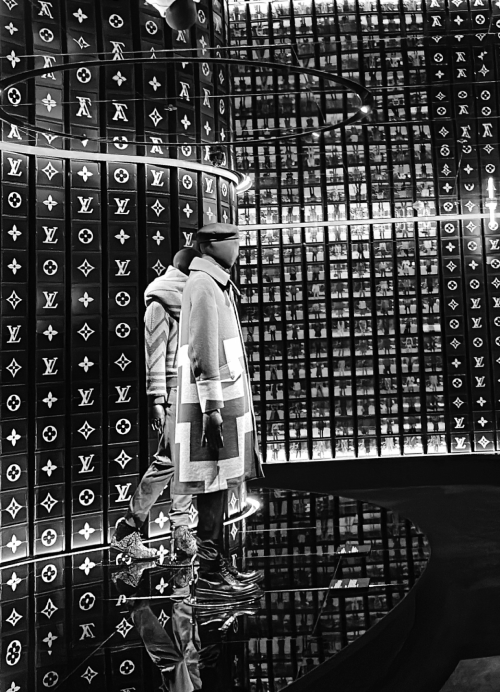
Louis Vuitton — Visionary Journeys , Seoul
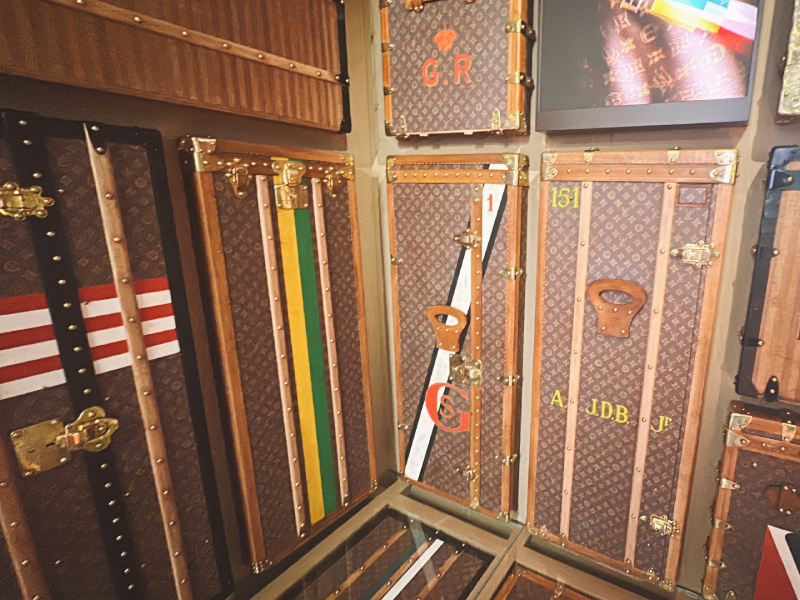
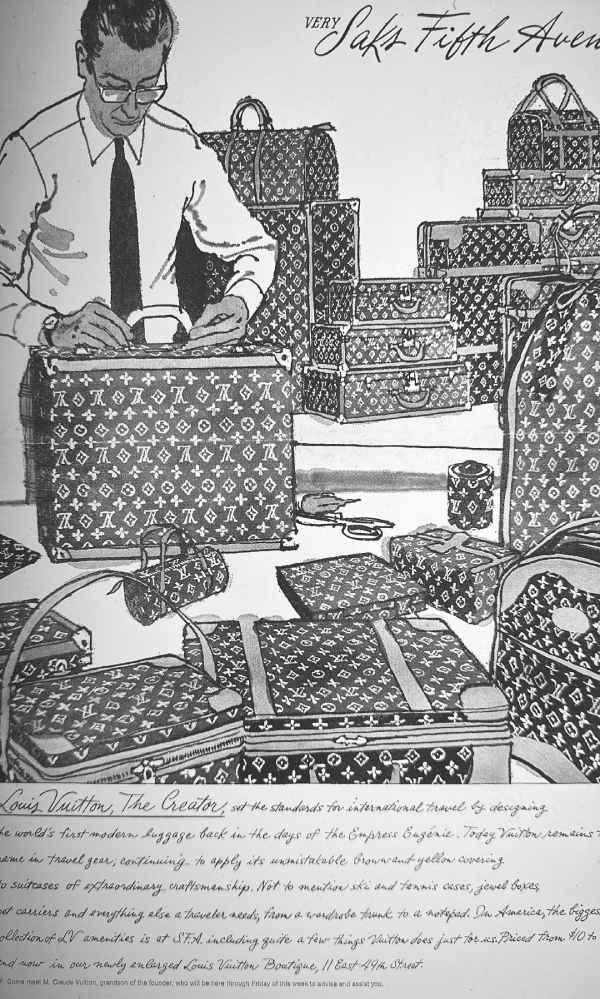
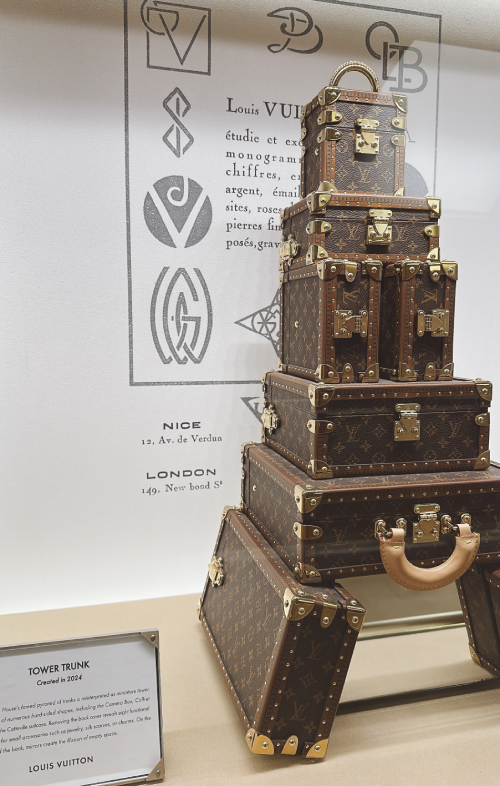
At its core, Louis Vuitton began with a trunk. The Seoul exhibition builds outward from that origin, tracing how the brand evolved alongside the history of travel itself. The message is implicit but unmistakable: this is not a company that makes luggage. It is a brand that helped shape the way the world moves.
Hermès — Mystery at the Grooms
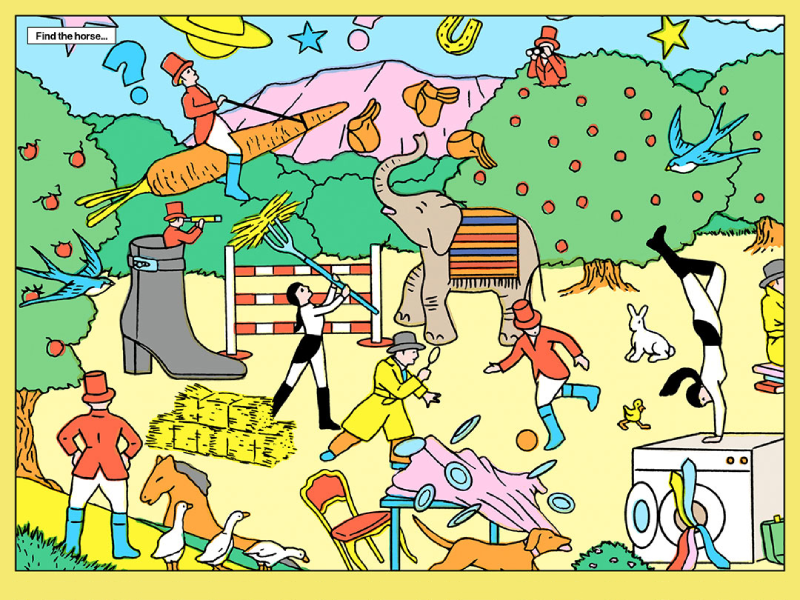
Hermès invites visitors into a mystery set inside a grooms’ quarters — the world of the saddler, the harness, the horse. Digital clues woven into the physical space extend the experience beyond the gallery walls, a deliberate nod to a generation that lives across both. But the deeper move is quieter: by embedding the brand’s origins in craft and equestrian culture into a narrative you solve, Hermès transforms heritage from a wall plaque into something you carry home with you.
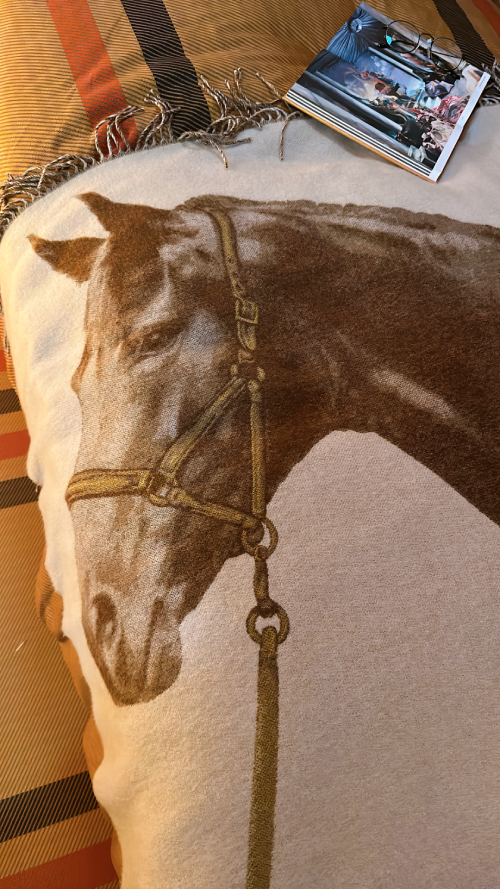
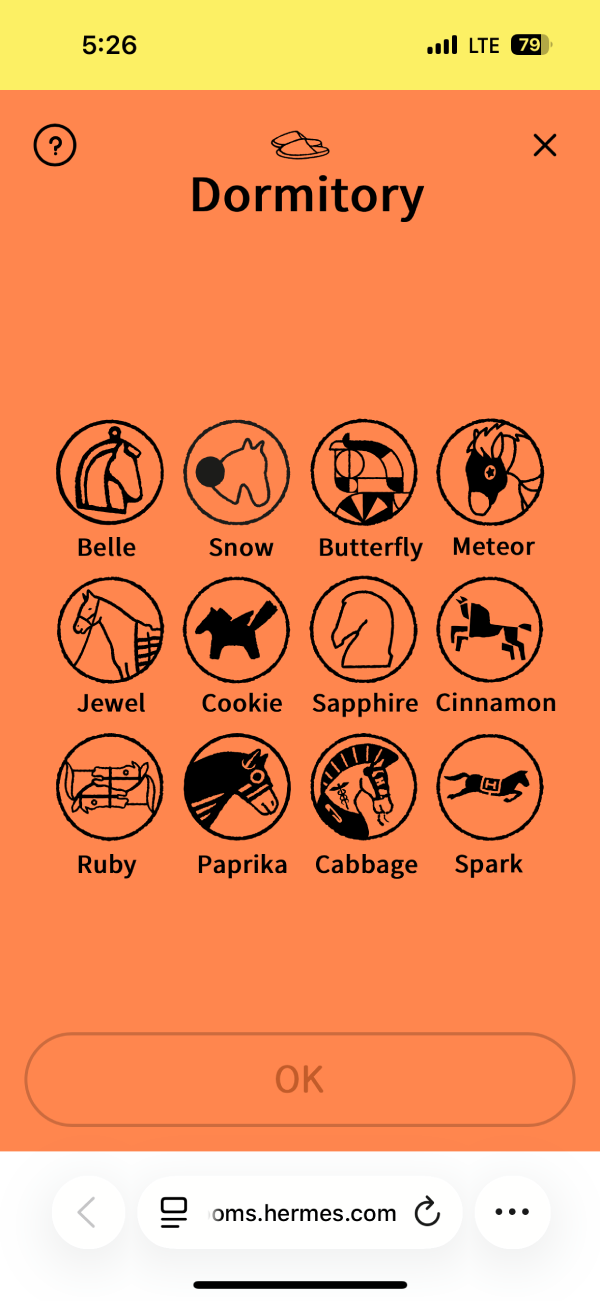
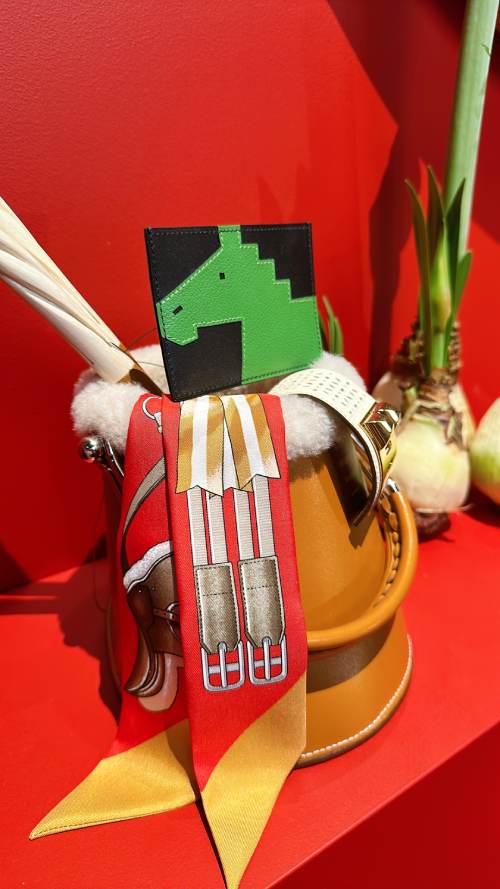
This immersive Hermès exhibition is structured around six distinct spaces, including a dining room and a private study. The core objective is for visitors to discover the various depictions of horses cleverly integrated into Hermès products within each room. Adding to the experience, actors are present in every space to guide guests and draw them directly into a narrative performance.
Cartier — Into the Wild
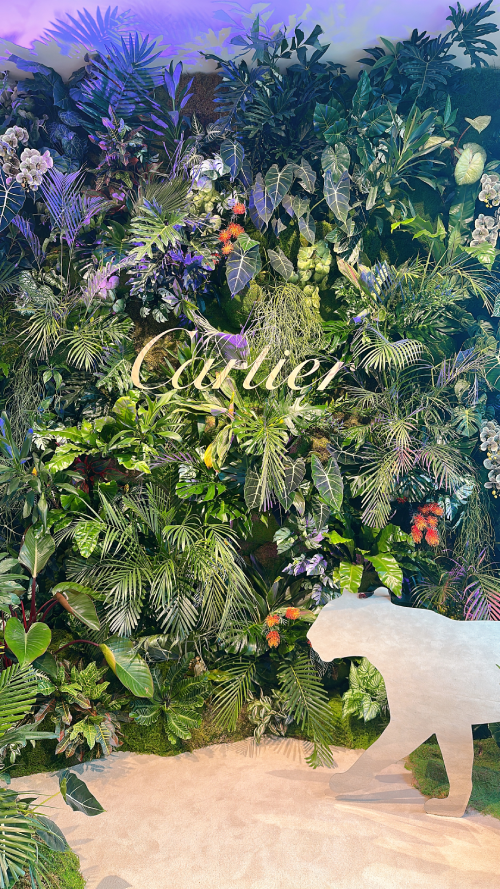
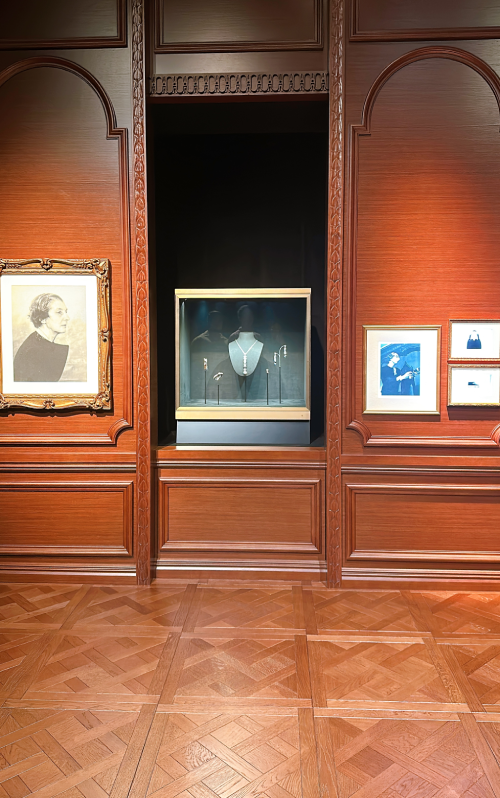
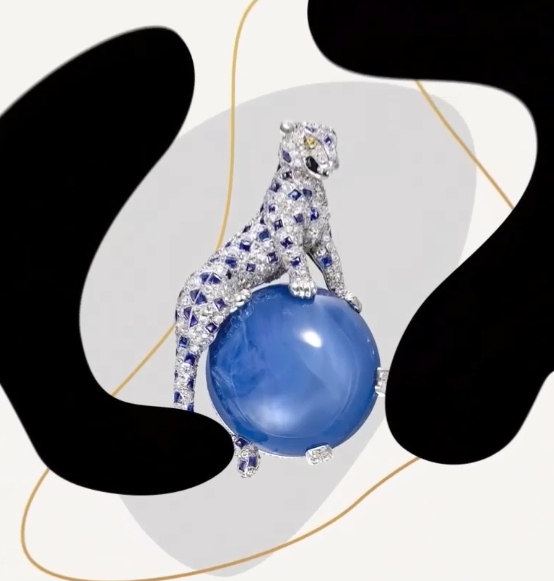
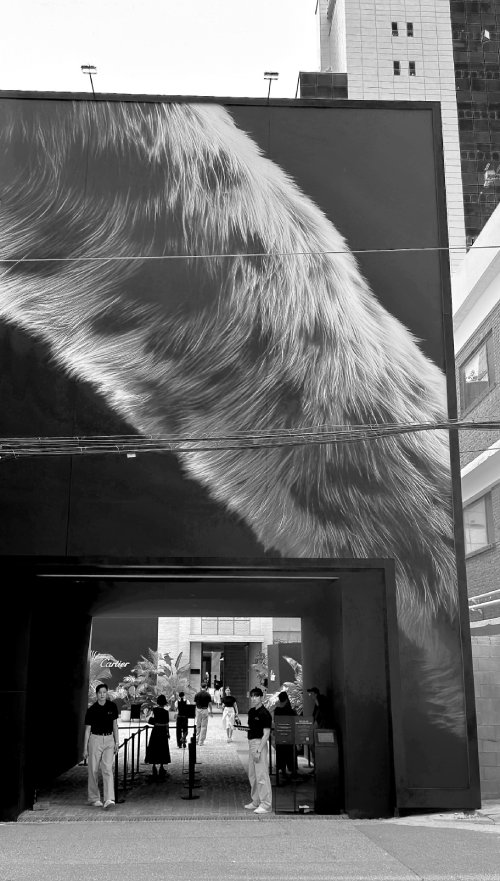
Cartier’s exhibition centers on the Panthère — the leopard motif that has defined the house’s visual language for over a century. Here, the animal is not a mascot. It is a design philosophy made tangible: wild, precise, and utterly its own. Visitors leave remembering not a specific collection, but what it feels like to be Cartier.
1. The Cultural Logic — What Kind of World Is a Brand Building?
We live in an era of radical transparency. A consumer today can learn more about a product’s origin, materials, and production process in five minutes of searching than a brand could communicate through a season of advertising. In that environment, the message “our leather is exceptional” no longer differentiates. Only a story experienced emotionally — not evaluated rationally — can bypass that comparison. And only when a brand stops explaining itself and starts ‘immersing’ you does it stand a chance of being remembered.
Management strategists B. Joseph Pine II and James H. Gilmore named this shift the ‘Experience Economy’ — first in a 1998 ‘Harvard Business Review’ article, then in their landmark book of the same name published in 1999. What’s changed is that luxury has now fully internalized it. The goal of immersive storytelling is to transform the act of purchase into something that feels less like a transaction and more like a discovery — as if you found your way into the brand’s world on your own terms, rather than being sold to.
The Mythologization of Heritage
Hermès was founded as a maker of harnesses. Most of its customers today will never sit on a horse. And yet the brand returns to that origin constantly. Why?
Because it is not history. It is a myth. Roland Barthes defined myth as the process by which historical contingency is made to feel natural and eternal — and that is precisely what Hermès does. The narrative of the saddler’s workshop constructs a web of meaning: craftsmanship, the bond between human and animal, aristocratic tradition, quiet authority. When someone buys a Birkin, they are not buying a bag. They are buying into that entire constellation of meaning.
Animal Symbolism as a Design Language
Cartier’s leopard works because it operates below language. Before a viewer can think “this brand is bold,” they feel it. The Panthère campaigns are particularly effective because the animal does not merely represent the wearer — it merges with her. The jewelry is no longer an accessory; it becomes a release of something already present. That is sophisticated semiotic work: turning a product into a vector for self-expression.
The Romanticism of the Wild
The recurring luxury fantasy of a return to nature — unspoiled wilderness, the antithesis of the overscheduled, over-connected urban life — is not accidental. It speaks to a deep cultural anxiety about what modernity costs us. The irony, of course, is that this “return” is mediated entirely through objects of extreme refinement. You don’t escape civilization with Cartier. You perform civilization’s most aspirational version of wildness. That tension is not a contradiction. It’s the appeal.
2. Why It Works — The Layered Effects
Emotional Imprinting
We forget arguments. We remember feelings. A brand that successfully binds itself to an emotional state — wild elegance, quiet mastery, the romance of the journey — is recalled every time that feeling surfaces. The exhibition is the imprint.
The Construction of Incomparability
When immersive storytelling succeeds, the brand exits the competitive frame entirely. Hermès is no longer the best bag. It becomes the only entry point into a particular world. That’s not marketing hyperbole — it’s the most durable justification for a premium price that exists.
Community as a By-Product
Shared aesthetic experience creates affinity. The people who felt the same thing in that exhibition space become, without any effort from the brand, a loose community — a tribe organized around taste rather than demographics. The brand sells membership, not product.
Borrowed Cultural Authority
Luxury exhibitions adopt the formal grammar of art institutions — white space, curatorial text, designed lighting, sequential rooms. This is not accidental mimicry. It is a deliberate transfer of cultural legitimacy. When an experience reads as art, the brand that produced it inherits some of art’s authority. You don’t question a museum. You receive it.
3. Seoul: A Strategic Cultural Coordinate
These exhibitions did not arrive in Seoul by chance. While luxury houses traditionally prioritized New York, Shanghai, or Tokyo as their first ports of call, Seoul has become a deliberate, strategic choice. What’s more, the specific location chosen within the city is equally calculated, with each venue serving as a strategic coordinate that aligns the brand’s identity with the city’s unique cultural energy:
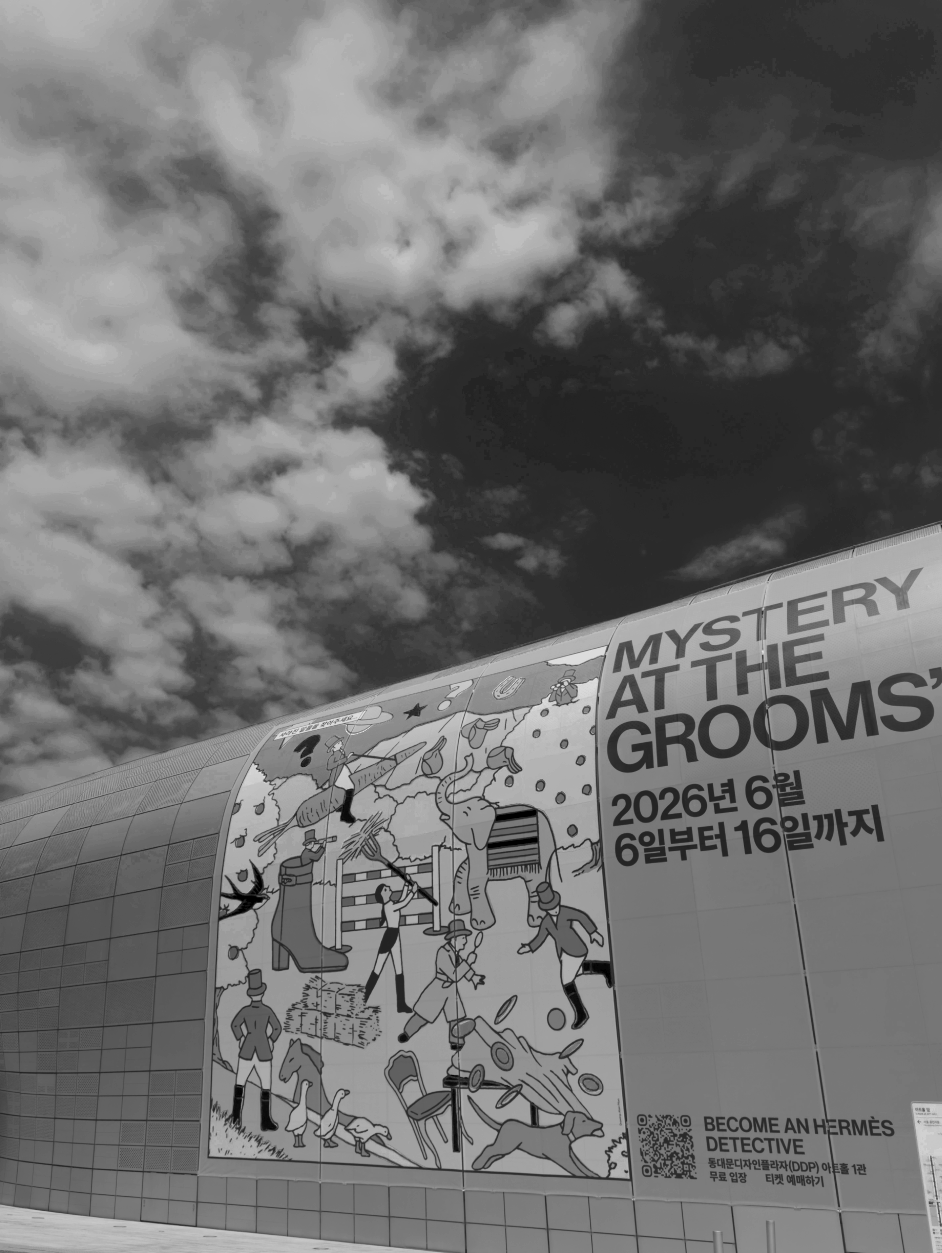
- Hermès at DDP: By placing heritage craftsmanship within a hub for emerging Korean design, the brand bridges the gap between the classic and the experimental.
- Cartier in Seongsu: Settling in Seoul’s trendiest neighborhood, Cartier asserts that true classicism belongs wherever culture is currently being made.
- Louis Vuitton at Myeongdong: Situated in a high-traffic commercial center, the brand leverages the scale of the city to showcase the weight and longevity of its heritage.
By establishing an immersive presence in Seoul, these houses prove that they are no longer just global giants looking for new markets—they are active, essential participants in the modern cultural conversation.
4. Young Ambassadors and the Long Game of Cultural Coding
Cartier & Jisoo. Louis Vuitton and J-Hope. Chanel and Jennie. Celine and V.
The pattern is clear. The world’s most storied luxury houses are aligning themselves with some of the most globally visible young artists alive. The easy reading is Asian market penetration. That’s real, but it’s incomplete.
Fandom as an Instant Community Infrastructure
K-pop fandoms are, arguably, the most organized and activated consumer communities on earth. The moment a brand appoints a beloved artist as ambassador, it doesn’t just gain a face — it gains an entire ecosystem of passionate advocates who will amplify, discuss, and defend the brand across every platform, in every language, without being paid to do so. No traditional marketing channel builds community at that speed.
Acquiring the Cultural Capital of Youth
The greatest long-term threat to a heritage brand is becoming your parents’ brand. The constant emphasis on history and tradition, handled clumsily, can calcify into irrelevance. Young ambassadors are an inoculation against that. But what’s being transferred is not simply youth as youth — it’s the energy, contemporaneity, and pop-cultural fluency that these artists embody. That’s a very specific kind of cultural capital, and it’s exactly what a 150-year-old house needs in order to feel alive.
A Shared Logic: Two Worlds, One Aesthetic Moment
What makes this pairing more than a commercial arrangement is that the best K-pop artists are themselves the product of extraordinarily sophisticated world-building. They carry their own narratives, aesthetics, and audiences. When the right artist meets the right brand, the two world-views don’t just coexist — they amplify each other. The brand’s visual language and the artist’s persona create a third thing, larger than either alone. That is the aspiration, and when it works, it is unmistakable.
What an Exhibition Actually Leaves Behind
For a luxury brand, the long-term asset is not quarterly revenue — it’s brand equity. An exhibition earns that equity in three specific ways: it proves provenance (here is our history, made tangible), it imprints a visual language (here is how we see the world), and it plants a cultural residue (here is the feeling we want you to carry forward, long after the doors close).
I noticed it myself, walking out. A flagship I had passed dozens of times without much thought suddenly felt different — heavier, somehow, with accumulated meaning. The exhibition had already done its work.
Discover how losing my bag helped me find my place in my post:
[Lost My Bag. Learned My Place—Thanks to Louis Vuitton.] ➔ ➔