Welcome to Every Three PM

Category: Personal Notes

  • The Nostalgia of Records: The Power of ‘Scribbling’ Over Polished Photos

    The Nostalgia of Records: The Power of ‘Scribbling’ Over Polished Photos

    Unfinished Fragments: Holding Onto the Fleeting Self

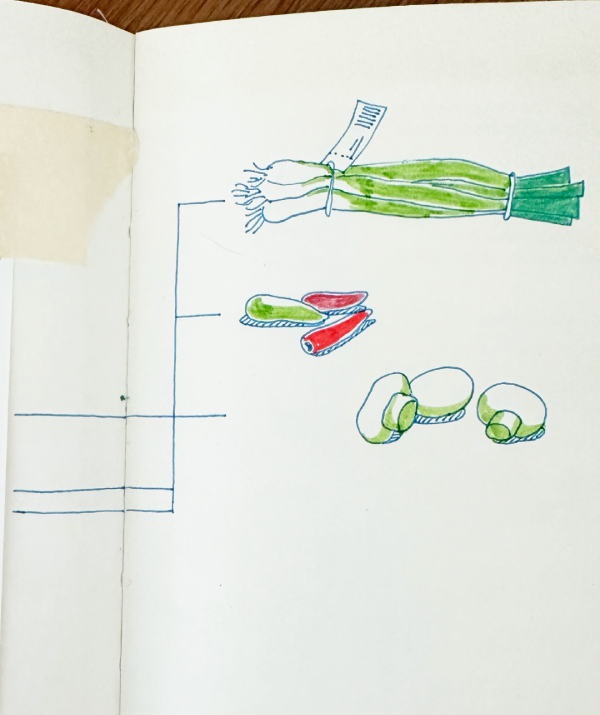
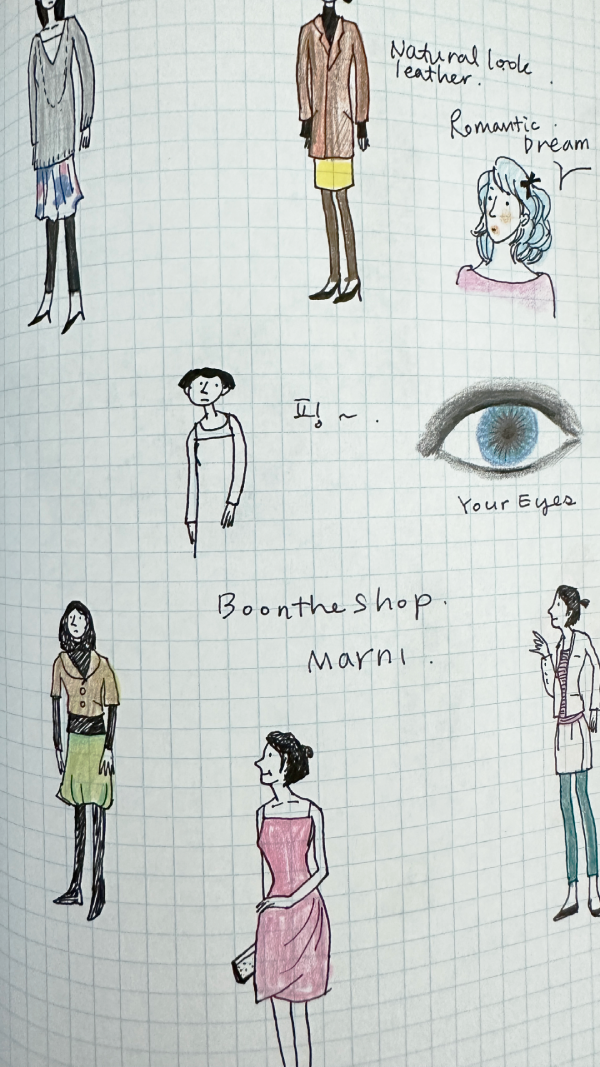
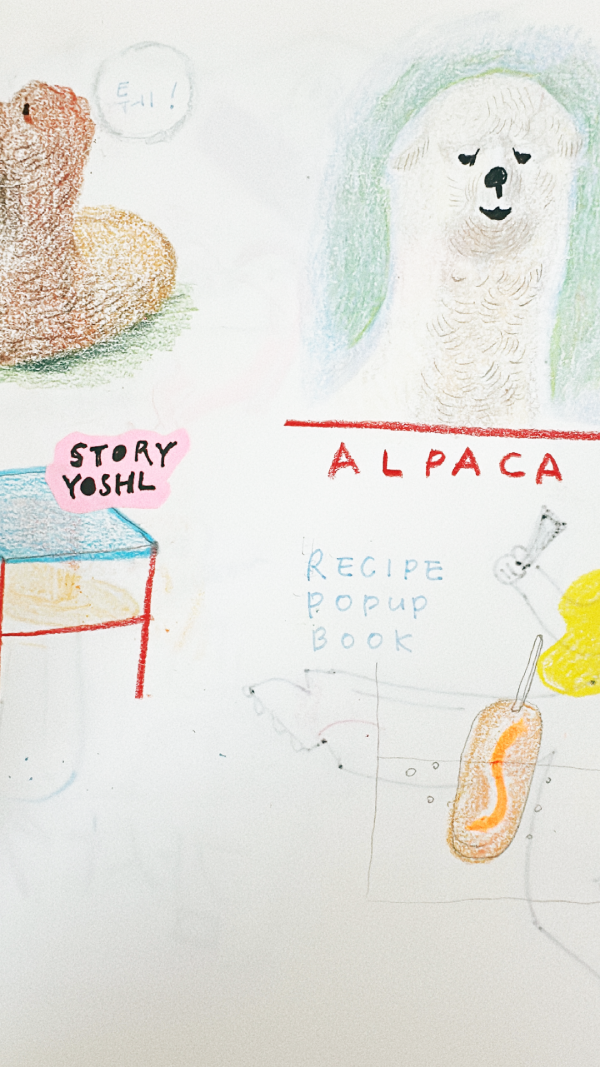
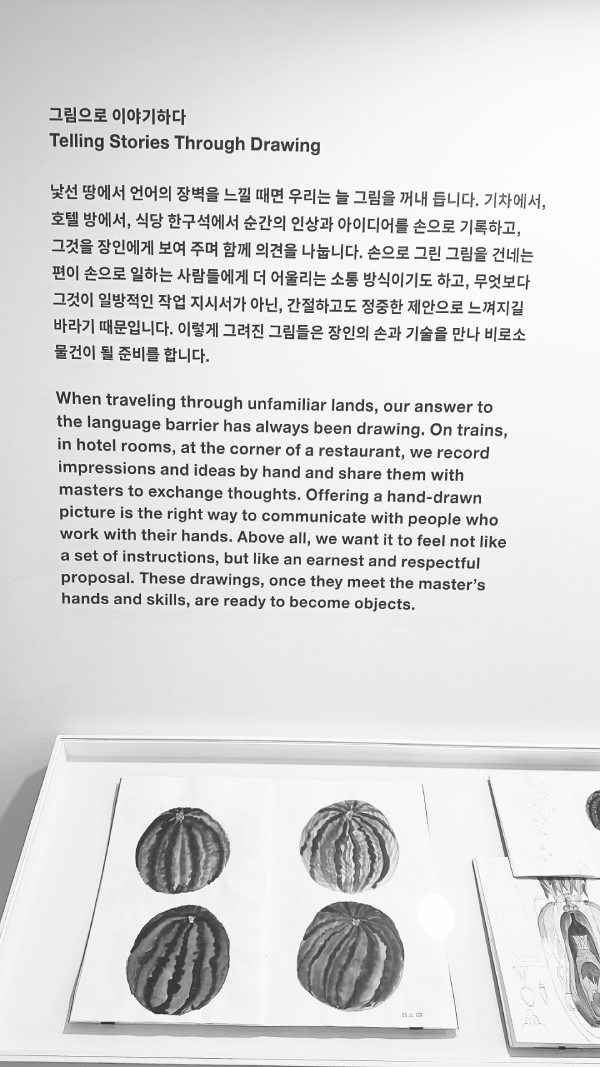
    I have never thought that my travel records should take a certain finished form. Instead, I simply scribbled to keep the fleeting moments from slipping away, to hold onto the version of myself that existed in that very second.

    However, after seeing a certain exhibition, a thought suddenly crossed my mind. Specifically, I wondered what if I had been more conscious of ‘building’ these records into something meaningful a bit earlier? Consequently, I felt a lingering regret that these traces could have provided a much richer and more solid foundation for my work as a designer and a planner.

    The Invisible People in Polished Frames

    Furthermore, I find it hard to connect with travelogues on social media even now. To be sure, users fill these platforms with neatly organized photos, flawless compositions, and perfect colors. Yet, strangely enough, I don’t “meet” anyone in them. In other words, these images fail to reveal the sensibilities of the people who passed through those places or what exactly made them stop in their tracks.

    For this reason, I keep writing. I do not write to provide information or to be useful to others; rather, I record solely for myself. Ultimately, my writing allows me to see what I was looking at, what I lingered on, and to discover what kind of person I am.

    The Living Breath of Old Notebooks

    Admittedly, I have considered throwing away my old notebooks many times. Nevertheless, every time I decide to clear out these seemingly meaningless piles of paper, I find myself flipping through the pages. Then, strangely, the records instantly transport me back. I feel the air, the temperature, and even the subtle moods of that day once again. In fact, these scribbles feel more vivid than any well-taken photograph. As a result, I still cannot let them go.

    In short, perhaps we all cherish the act of capturing and ruminating on memories in our own unique way.


    [COMPANY World Affair]: From a Point of Discovery to an Object

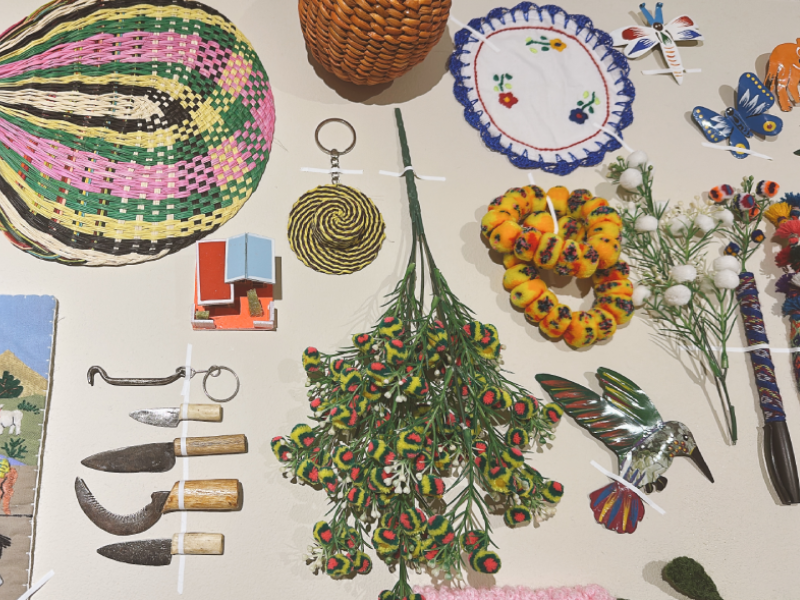
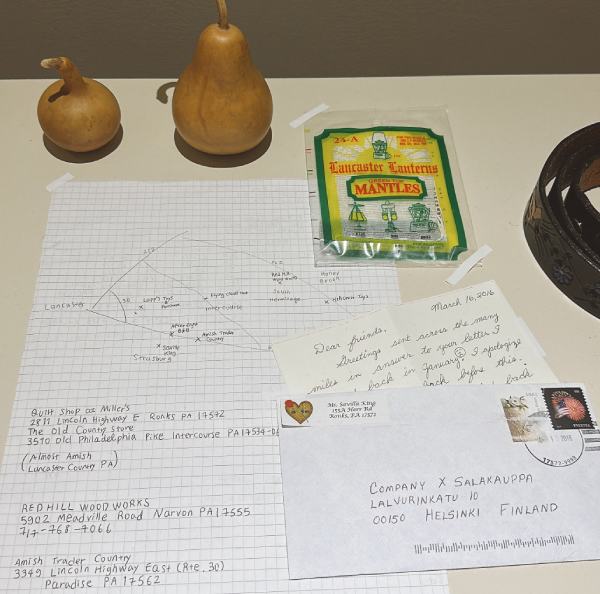
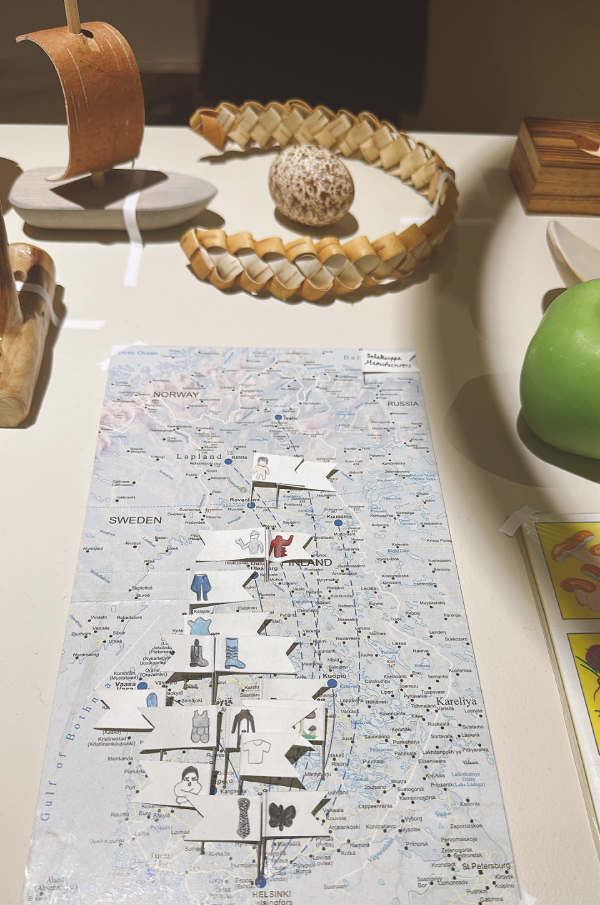
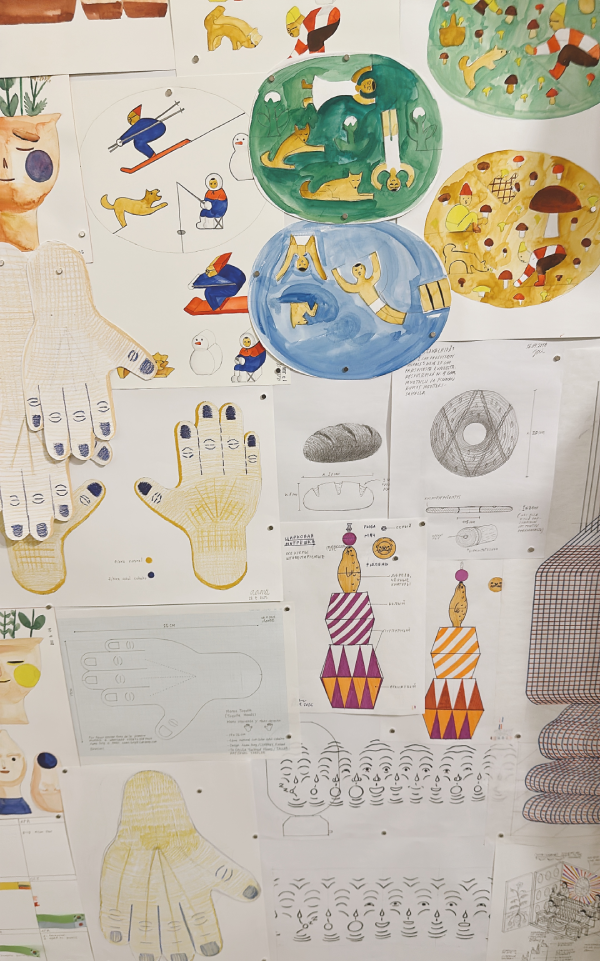
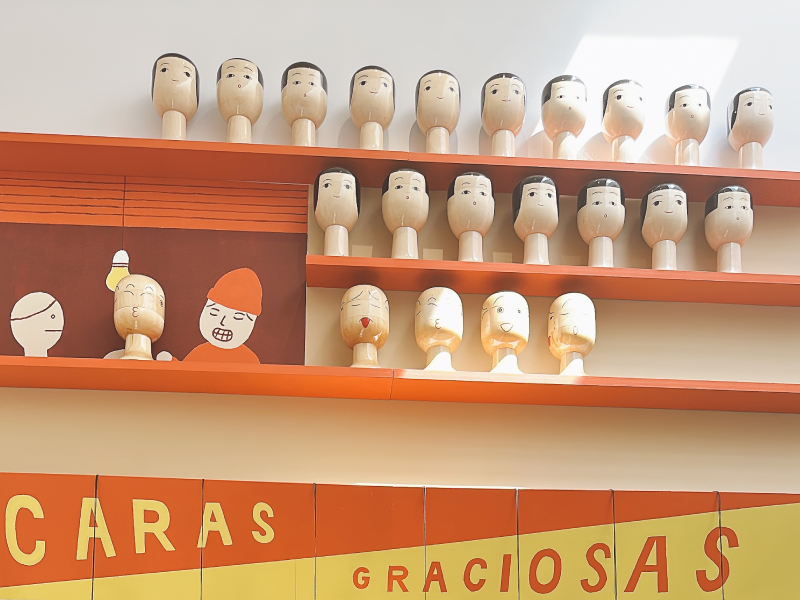
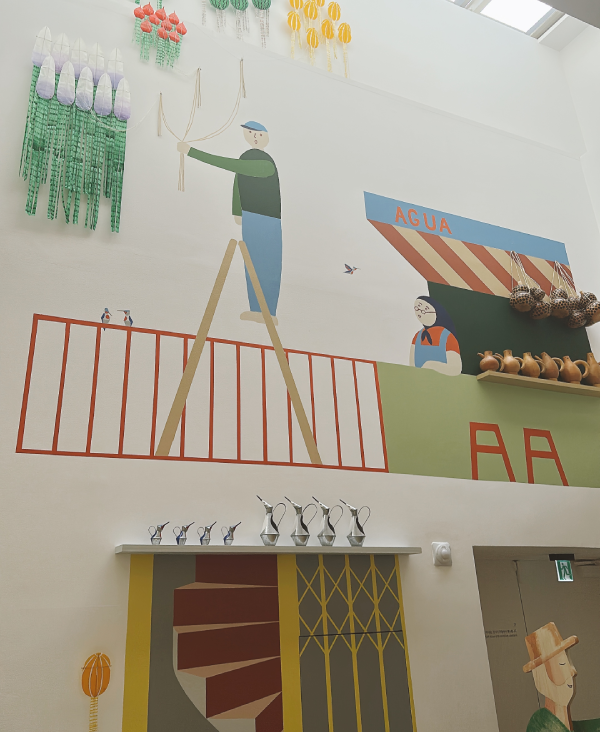
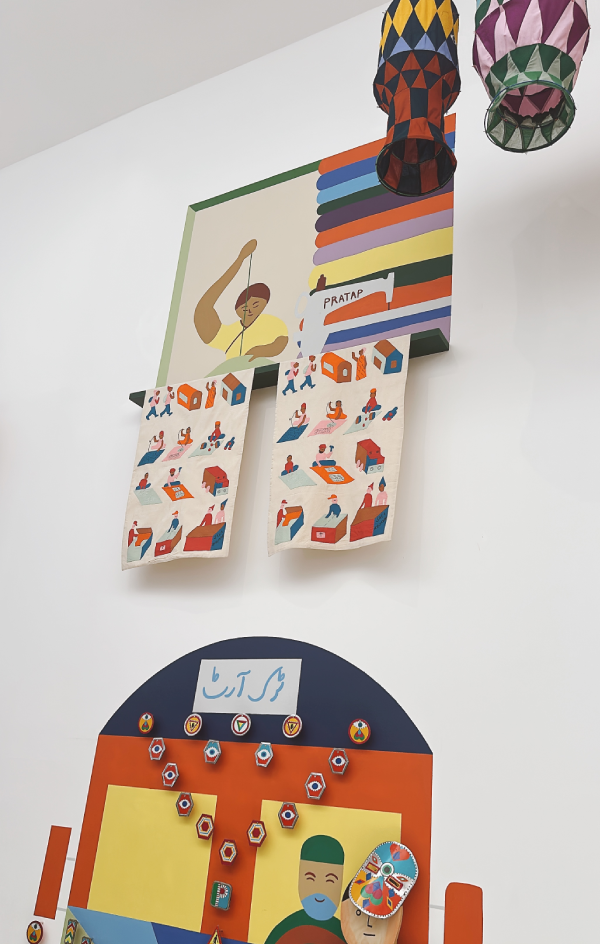
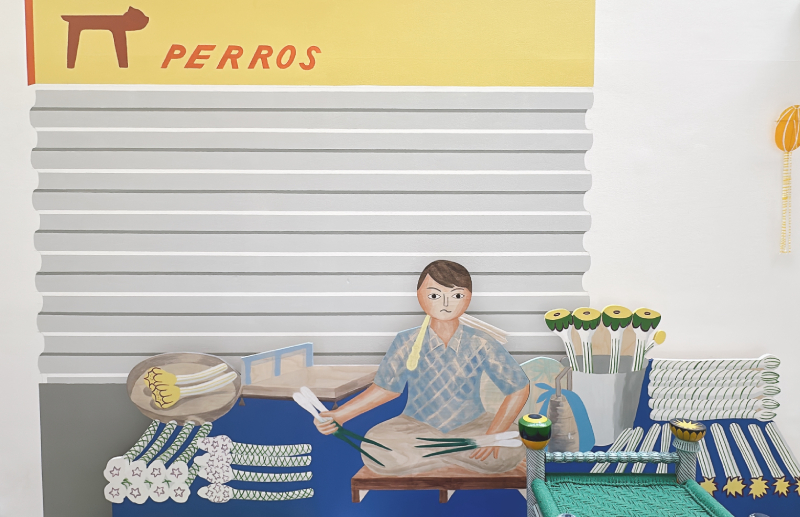
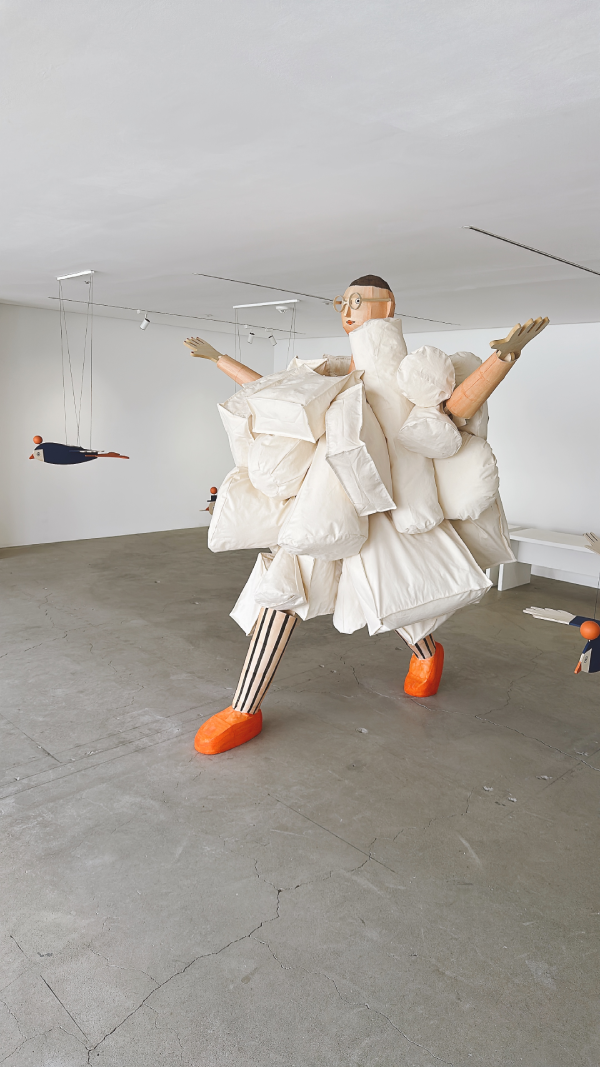
    The witty and sensible spaces and objects I encountered were the results of the artists’ unique perspectives discovered during their travels, brought to life through collaboration with local master artisans. To reveal and introduce such personal treasures to the world as an artist—how thrilling that process must have been.

    That joy was palpable throughout the exhibition. Resonating with that excitement, I felt as if my five senses were awakened, completing a small journey of my own. From the deep forests of Finland to the vibrant markets of Pakistan, seeing their collected wisdom and spirituality reinterpreted through a contemporary lens gave me hope: perhaps my own scribbled records could one day manifest into something with its own “physicality” and presence.

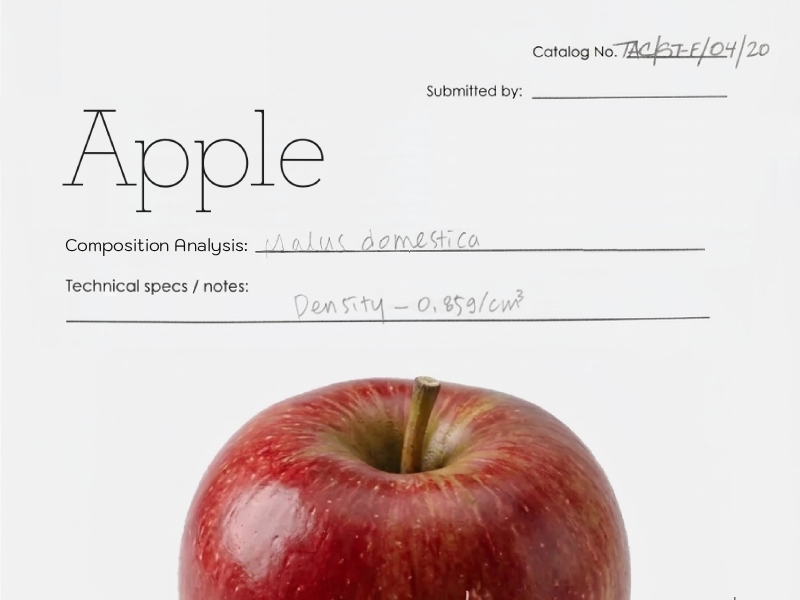
  • Apple, From Eden to Innovation

    Apple, From Eden to Innovation

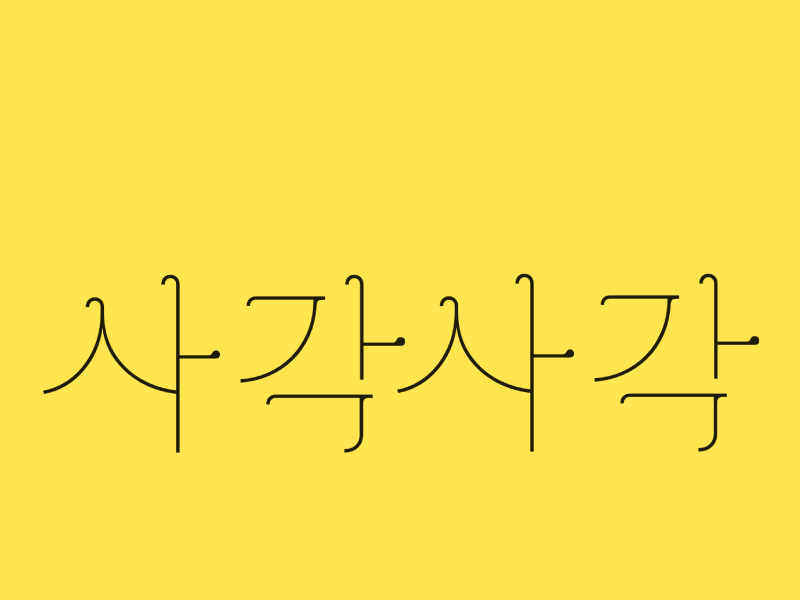
    Sagak-sagak (사각사각): A Korean onomatopoeia for the rhythmic sound of light friction, such as slicing a crisp apple, writing with a pencil on paper, or treading on firm snow.

    The Scritch-Scritch Sound

    Scritch, scritch.

    Is it the sound of an apple being peeled, or the soft friction of a pencil moving across paper? The two sounds are strangely alike. In Korean, the word ‘sagak-sagak’ captures both sensations at once.

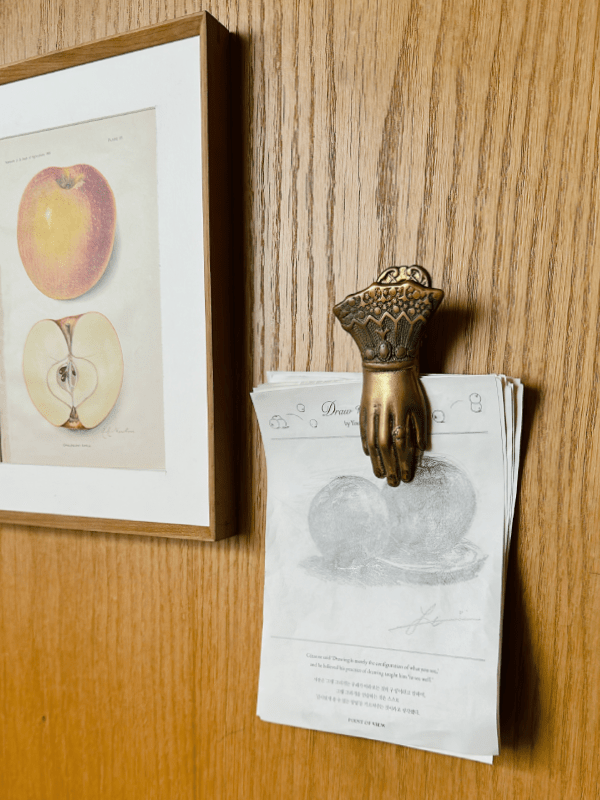
    Walking through the narrow streets of Seongsu-dong, I stepped into a stationery shop called Point of View Seoul. The moment the glass door closed behind me, the air seemed to change. The place felt less like a store and more like a quiet chamber of thought. Paper grain, the scent of ink, the cool metallic touch of pen nibs—everything coexisted in a calm, deliberate arrangement. For a moment, the coordinates of ordinary reality softened, as if I had slipped into another world, much like Alice following a rabbit into a different realm.

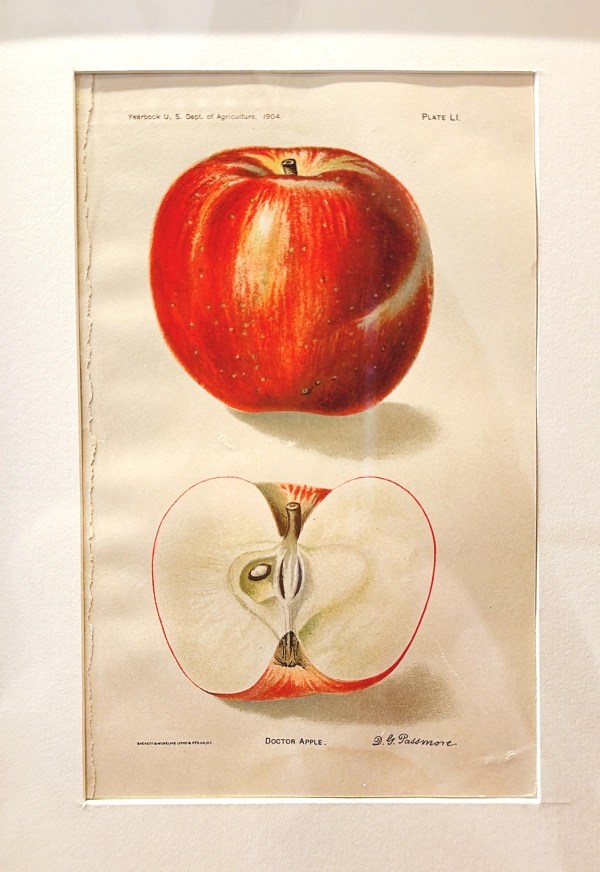
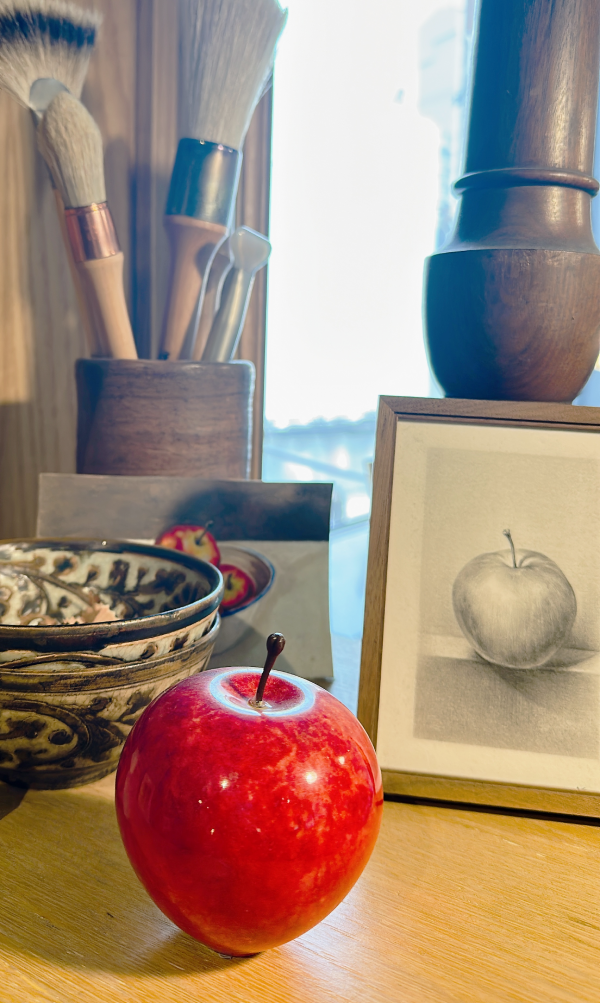
    As I wandered along the displays, I noticed a curious motif. The conceptual inspiration for the space comes from the apples painted by Paul Cézanne. At first the choice feels decorative, almost whimsical. But the more one considers it, the more symbolic it becomes.

    Throughout history, apples have often appeared at moments of transformation. They are rarely just fruit. Instead, they seem to embody curiosity, transgression, and the moment when human perception shifts toward something new.

    The First Apple: A Choice for Knowledge (Eden)

    Perhaps the earliest of these apples appears in the Book of Genesis. Strictly speaking, the biblical text never identifies the forbidden fruit as an apple. It simply refers to “the fruit of the tree of knowledge of good and evil.” Yet in medieval Latin, the word malum means both “evil” and “apple,” and over time the fruit in Western art and imagination took on the form of an apple. In that way, the apple came to symbolize the human decision to reach for knowledge, even at the cost of innocence.

    The Second Apple: A Quest for Reason (Science)

    A second apple appears in the history of science. According to a well-known story, Isaac Newton began to think about gravity after watching an apple fall in a garden. The anecdote was ecorded by his friend William Stukeley. Whether or not the apple actually struck his head is beside the point. What matters is that an orlater rdinary moment in nature sparked a question about the invisible forces shaping the universe.

    The Third Apple: A Shift in Perception (Cézanne)

    The third apple belongs to the history of painting: Cézanne’s apple. Unlike earlier painters who sought to reproduce the smooth appearance of fruit, Cézanne was interested in something deeper. He tried to understand the structural essence of objects—reducing forms to spheres, cylinders, and cones. His friend Joachim Gasquet once recalled Cézanne saying, “I want to astonish Paris with an apple.” It was less a boast than a declaration of intent: a determination to rethink how we see.

    In Cézanne’s still lifes, tables tilt slightly and apples seem subtly displaced. The scene is not painted from a single viewpoint but from several perspectives combined. This way of seeing would later influence the development of Cubism, led by artists such as Pablo Picasso, and would ultimately reshape the visual language of modern art.

    The Final Apple: The Tool for Creativity (Innovation)

    In the modern era, another apple appears—this time as a logo. The technology company Apple adopted the image of a bitten apple as its emblem. Founded by Steve Jobs and his collaborators, the company set out to build tools that would expand human creativity. Over time, the symbol has come to represent knowledge, innovation, and the imagination that drives technological change.

    The Next Apple is Waiting

    Standing again among the shelves of notebooks and pens in the stationery shop, I look around quietly. Someone will come here to write an idea down. Someone else will sketch a design, or begin a story that does not yet exist.

    Scritch, scritch.

    It might be the sound of an apple being peeled. Or the sound of a pencil moving across paper. But perhaps they are, in the end, the same sound—the sound a thought makes when it begins.

    But the story of the apple doesn’t end here.

    If the first apple gave us will, the second gave us law, and the third gave us a new way to see, what will the next apple be? Perhaps it is already here, hidden in a line of code, an ethical choice in a digital world, or a sustainable seed planted for a future we can only begin to imagine.The next inflection point of humanity is always just one “bite” away. And in the quiet corners of places like Seongsu-dong, we are still listening for that next subtle scritch—the sound of a new world being born.

    Explore my personal archive of paper collecting, where every sheet captures a moment in time and a piece of my creative soul.

  • Private Curation: A Journey Through Collected Paper

    Private Curation: A Journey Through Collected Paper

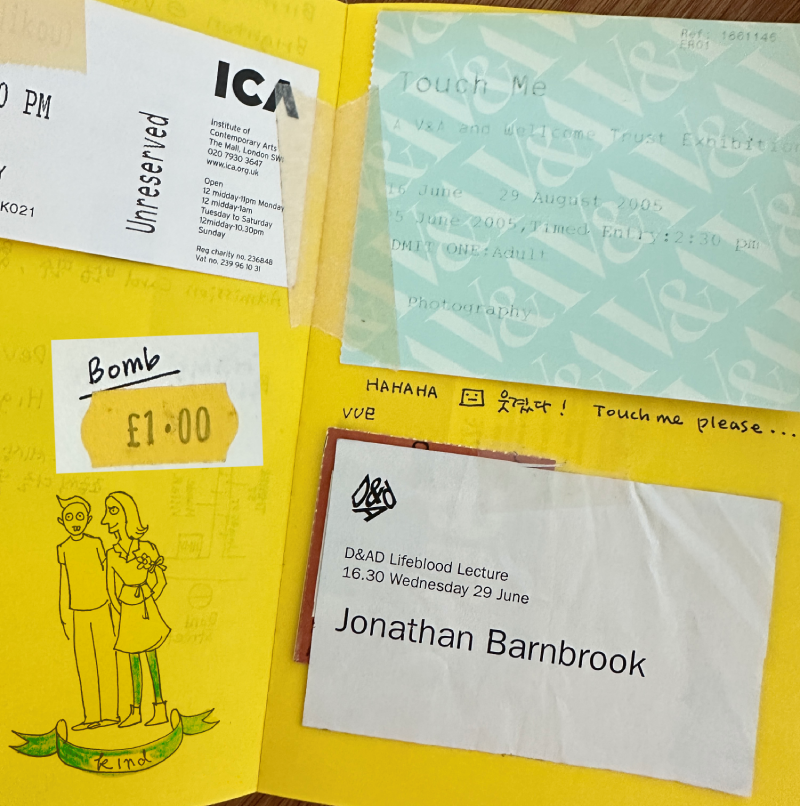
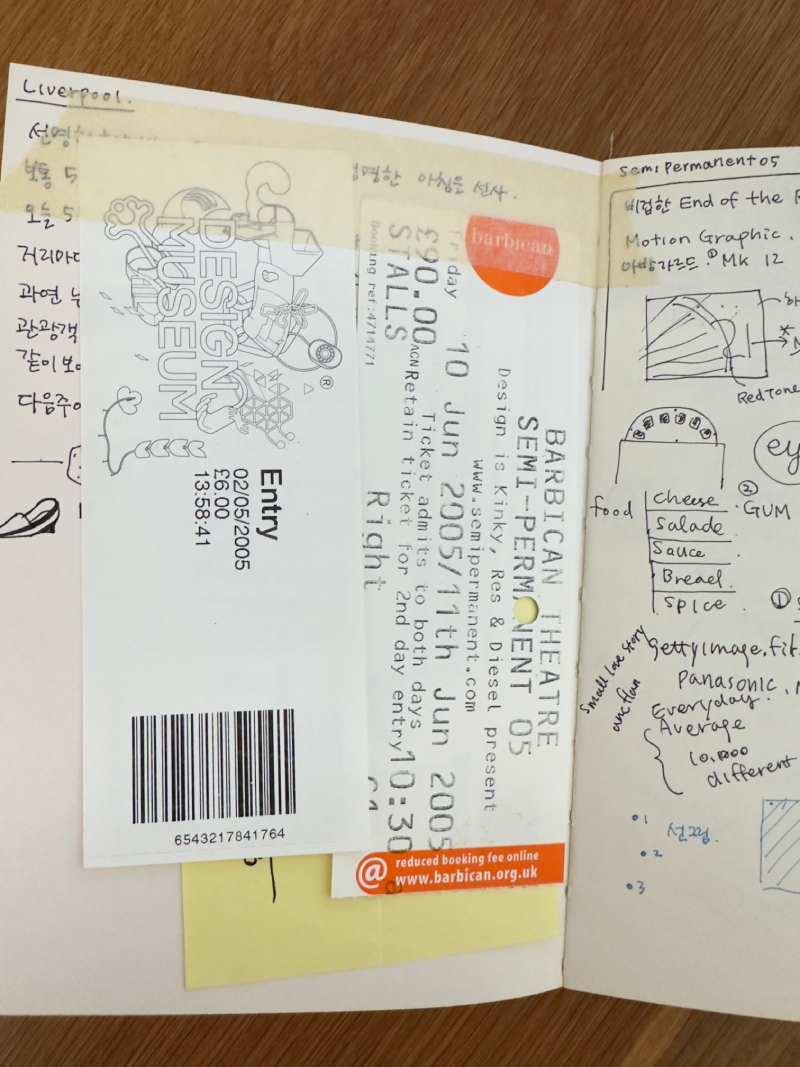
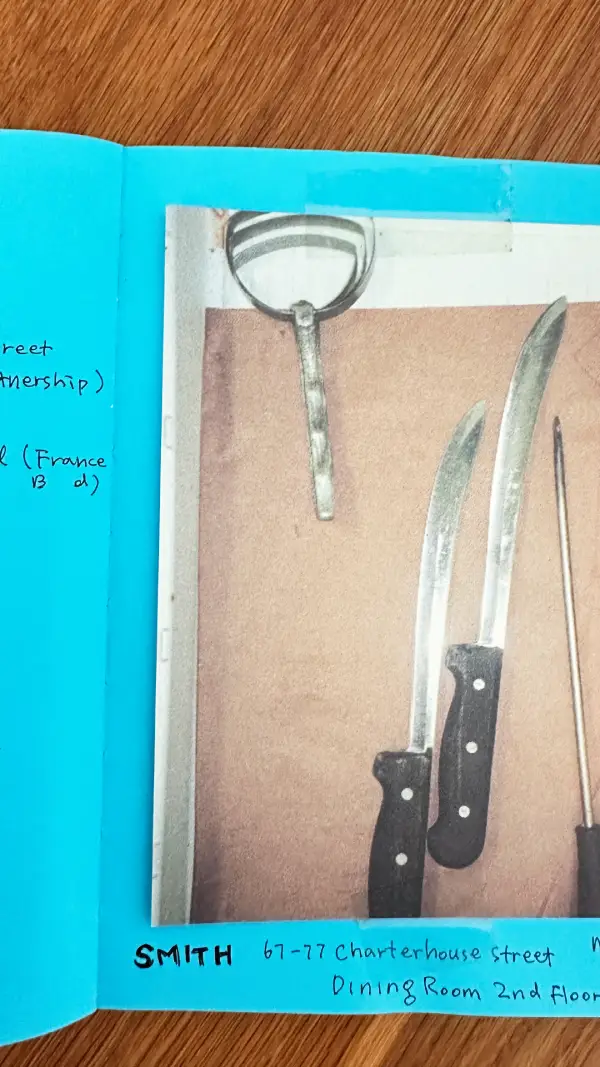
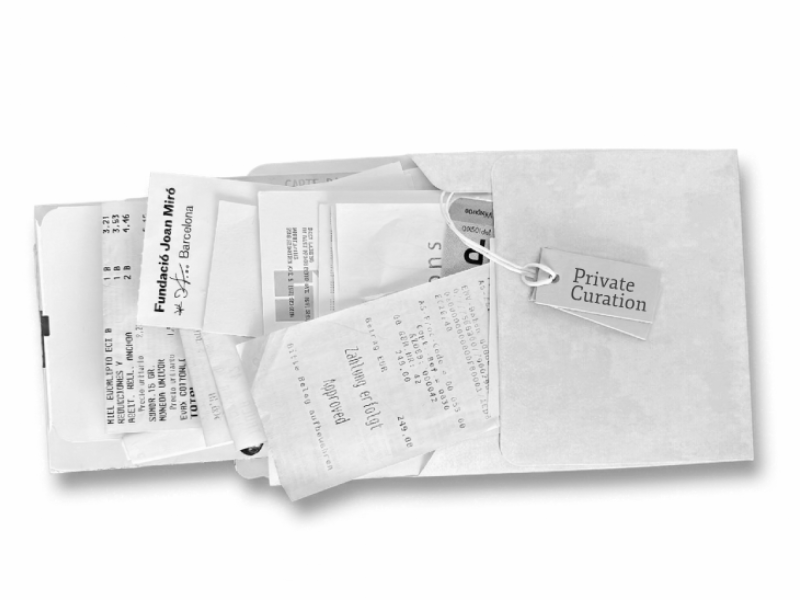
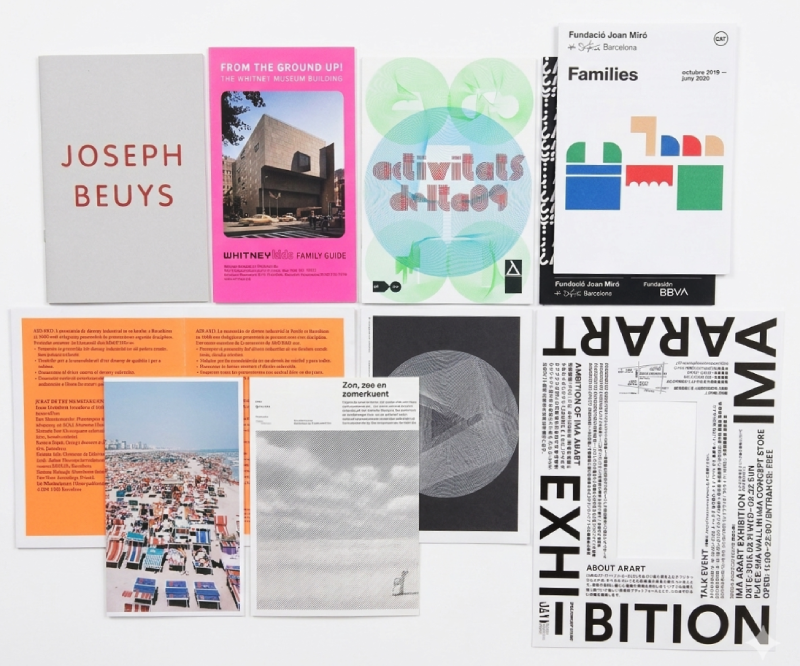
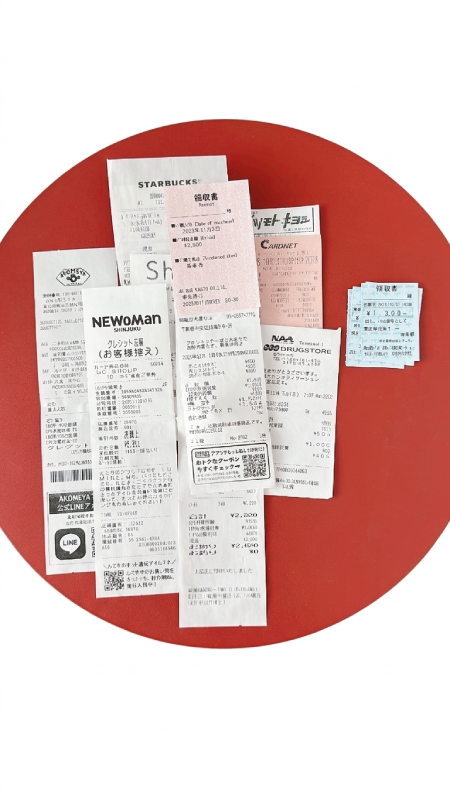
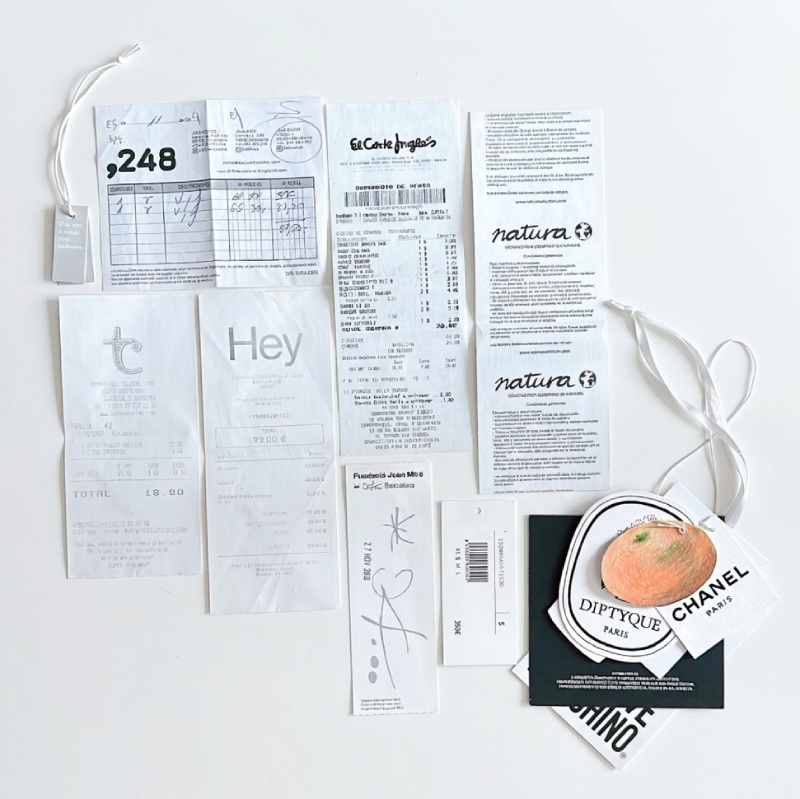
    As I was tidying up my home, I came across a bundle of papers I’ve kept for a long time—my own little secrets. This isn’t just a collection of travel scraps; it’s a story about the “fragments of cities” I’ve personally curated from around the world.

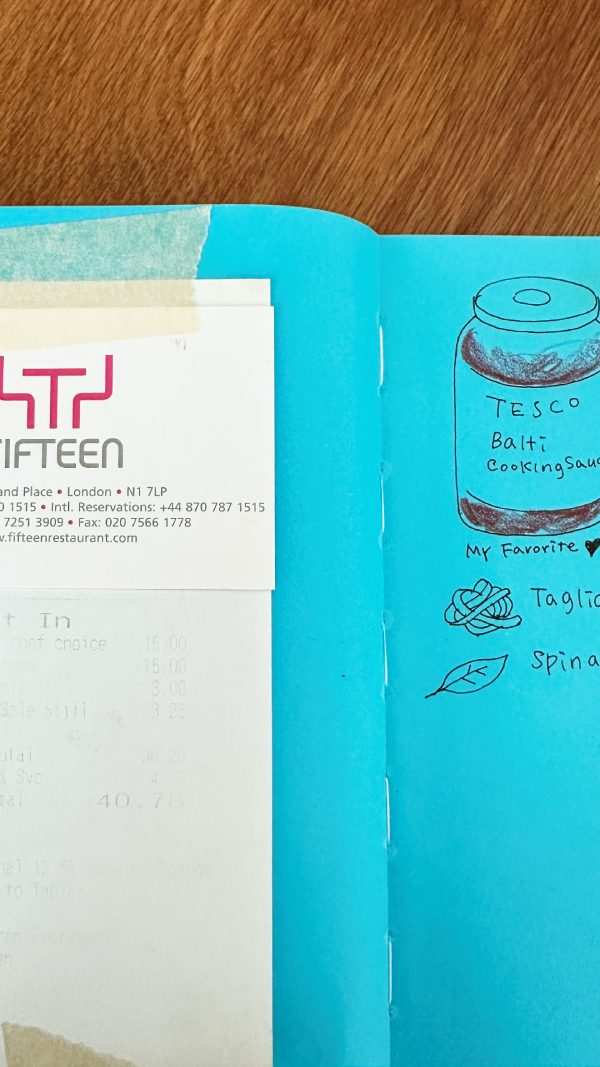
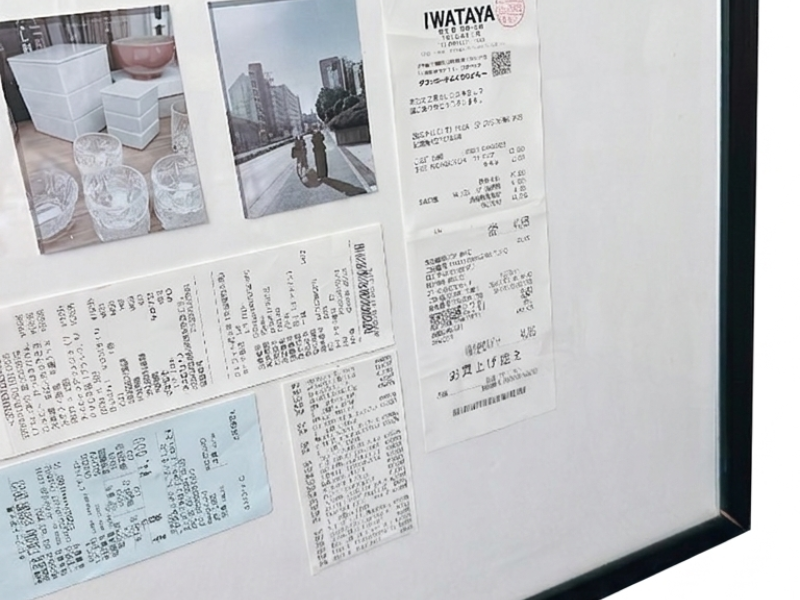
    In my younger days, I started doing this simply because I wanted to immortalize the emotions of my travels. Maps, tickets, leaflets, and even receipts—I carefully selected pieces with striking text, photography, illustration, and color. Even when my bag grew heavy, I carried them with me, thinking, “One day, I’ll frame these like works of art.”

    While some collect magnets or postcards, I have always been drawn to printed matter with exceptional layouts that capture a city’s unique identity. These bundles are far from mere waste; they are preserved specimens of a time and place—the “Visual DNA” of my journey.

    1. Private Curation

    Items bought from famous souvenir shops can be owned by anyone. However, a business card from a nameless cafe I stumbled upon, or a leaflet picked up from a quiet corner of a museum, is a record of a path only I have walked. Giving meaning to these bits of paper destined for the bin and “lugging” them back home is, in itself, an intense expression of my love for travel.

    2. A Path Beyond Google Maps

    Of course, Google Maps is a savior today. But my memories are filled with moments of unfolding large paper maps from the station, looking every bit the tourist. Before bed, I would meticulously plan the next day’s route—marking subway exits, nearby restaurants, and anticipated paths. Yet, the unfamiliar streets always offered a different direction than planned. On those “planned maps,” the fleeting moments of a completed journey are vividly recorded where intention met serendipity.

    3. The Aesthetics of Ephemera

    The moment these bits of paper enter a collector’s hands, they become historical records of the “atmosphere of an era.” London’s heavy typography, Berlin’s raw textures, and Tokyo’s delicate illustrations are the most condensed media reflecting each city’s aesthetic values.

    4. Sensory Triggers

    While photos record scenery, paper records “materiality.”

    • Touch: The thick texture of a catalog or the thin rustle of a receipt.
    • Sight: The unique font arrangements and color palettes specific to that city.
    • Traces of Time: The faded hues embrace the years that have passed since the trip, summoning memories in three dimensions.

    5. The Completion of a ‘Graphic Journey’

    Cities like London, Berlin, and Tokyo have distinct design languages. Even a simple shop card embodies the city’s unique layout and color logic. Collecting these is a desire to possess the inspiration felt on-site in a physical form. Years later, simply unfolding them recharges my design sensibilities—an “armchair journey” that begins all over again.

    Strangely enough, even without photos or videos, I see myself in a single leaflet or a business card. I truly love that past version of me—the one who couldn’t bear to throw these heavy things away and stubbornly packed them into a suitcase.

    If you enjoyed this ‘Private Curation’ of paper, you might also like my story about collecting vintage plates from distant cities.

    [Fragments of Travel: My Journey in Teapots and Plates] ➔ ➔

    If you’re in Seoul, I recommend taking a look at some paper-related things as well.

    [Apple, From Eden to Innovation] ➔ ➔

    [Hanji: The Secrets of the 1,000-Year Korean Paper That Breathes] ➔ ➔

  • Fragments of Travel: My Journey in Teapots and Plates

    Fragments of Travel: My Journey in Teapots and Plates

    The Rituals of Remembering: A Private Autobiography

    Everyone has their own ritual for remembering. For instance, some capture the essence of a city through scents, while others collect coffee cups from every corner of the globe. In fact, listening to these personal stories is a joy in itself. Ultimately, I have come to realize that my collection of objects is actually a personal travel autobiography. These items are no longer just souvenirs; they are ‘Personal Relics’ that preserve one’s footsteps and fleeting moments of the past.

    Collectively, they form a private autobiography that only the owner can truly decipher. I often find myself dreaming of weaving these fragmented stories together into a book, capturing the unspoken history of a life traveled. Each object on my shelf is not just an item, but a living chapter of my existence.

    The Unfinished Longing and the Flea Market Soul

    Travel itineraries always feel fleeting. Consequently, they leave behind a persistent sense of unfinished longing. Even after returning home, I find myself suspended in those moments, flipping through digital galleries. Most people settle for simple trinkets like fridge magnets, which often feel like small, metallic regrets.

    However, I eventually realized that my personal taste had quietly gathered itself through a different path. I have always believed that flea markets offer the most intimate glimpse into the soul of local life. Somewhere along those dusty aisles, my keepsakes began to take the shape of well-loved glass dishes and weathered teapots.

    The Aesthetics of Culture: Mirroring the World

    This narrative begins with the bronze teapots I unearthed at London’s Portobello Road Market. These pieces were chosen not merely for their aesthetic appeal, but because they embody the quintessential British culture. Their weight seems to hold the stillness of a foggy afternoon, capturing the very essence of London.

    While the types of objects I collect—teapots and plates—remain consistent, their designs, colors, and patterns are subtly different. Each one mirrors the unique atmosphere of the country I discovered. Instead of seeking a simple souvenir, I looked for items that shared a soul with their surroundings.

    For instance, the plates from Boxhagener Platz Flohmarkt in Berlin reflected a quiet, orderly life through their disciplined forms. In contrast, the treasures I found at Barcelona’s Els Encants, after circling its vast, mirrored expanse, carried the vibrant energy of the Spanish sun. These objects are the physical manifestations of the cultures I have walked through.

    Beyond Objects: A Continuous Journey

    Ultimately, these objects have transcended their identity as mere decor. They possess the power to vividly summon the weather of a specific day, the frantic energy of a market, and the very scent of the air in a foreign land. They are the living breath of my travels. By surrounding myself with these “chapters,” I turn my daily routine into a continuous journey. My home is no longer just a house; it is a living book of where I have been.


  • Food Idioms in Korean and English: From Yakgwa to Piece of Cake

    Food Idioms in Korean and English: From Yakgwa to Piece of Cake

    A honey-glazed Korean cookie known as Yakgwa. It has a soft, chewy texture with a subtle sweetness and a hint of ginger.

    In Korea, when something is just a warm-up or “nothing” compared to what’s coming next, we call it Yakgwa. It’s the ultimate way of saying, “That part was easy.”

    But wait—why a cookie? For a non-Korean, hearing someone compare a physical challenge to a traditional honey confection might sound as mysterious as a Korean hearing that something is “a piece of cake” or “as easy as pie.” It seems that despite our different languages, when life gets simple (or tough), we all instinctively reach for a menu. Let’s dive into the tasty history and global flavors of these “easy” expressions.

    The “Yakgwa” Paradox: From Royal Luxury to “Easy Peasy”

    The expression “That’s Yakgwa” has a clever evolution. While Yakgwa (a medicinal honey cookie) was once a precious treat, its role in a meal changed its meaning.

    The Evolution: In a traditional spread, Yakgwa was just a light snack or a side treat served alongside much heavier dishes. Because it was the “small bite” compared to the main feast, it came to represent something “minor” or “easy to handle.” Today, if you say “That’s Yakgwa,” you mean the current situation is a breeze—a “sweet” little task before the real challenge begins.

    A Global Menu of “Easy” Idioms

    It’s not just Korea and the USA; every culture has its own “flavor” for simplicity based on its staple foods.

    CountryIdiom (Literal Meaning)Cultural Context
    KoreaEating cold porridge (식은 죽 먹기)Soft, grain-based food is the ultimate “no-effort” meal.
    USAAs easy as pie“Easy” is associated with the reward of a sweet dessert.
    FranceIt’s blessed bread (C’est du pain bénit)Something so favorable it feels like a divine gift.
    SpainIt’s eaten bread (Ser pan comido)Like a piece of bread already consumed; it’s a done deal.
    RussiaEasier than steamed turnipsTurnips were the most basic, effortless crop to cook.
    ItalyLike drinking a glass of waterItalians eat slowly, but water is finished in a flash.
    JapanBefore breakfast (朝飯前)A task so simple you can finish it before your first meal.

    The “Salty” Divide

    Beyond being “easy,” we use taste to describe personalities. It is fascinating to see how the same flavor—saltiness—is interpreted differently:

    In the USA: Being “salty” means you are annoyed, bitter, or upset.

    In Korea: Calling someone “salty” is an idiom for being stingy. It describes someone who “squeezes” their resources so tightly that not a penny leaks out, much like the intense, concentrated flavor of salt.

    Deep Broth vs. Sweet Icing

    Jinguk (Deep Broth): Koreans describe a sincere, genuine person as “Jinguk”—like a rich, deep bone broth that has simmered for hours to reach its true essence.

    Icing on the Cake: Americans describe an extra, unexpected benefit as “Icing on the cake”—the sweet finishing touch that makes a good situation perfect.

    Spicy Words

    When a remark is bold or hits with a stinging truth, Koreans call it “Maekom-hada”. It’s a “spicy” comment that has a bit of a kick—leaving a lasting impression that you can’t easily forget.

    Linguists believe that because eating is our most basic experience, it provides the perfect metaphor for our abstract feelings. Whether it’s “Sweet lies” or “Bitter reality,” we understand the world best when we can “taste” it. It’s fascinating to see how humanity shares the same “appetite” for these expressions.

    What is your day “tasting” like today? Is it a “Piece of cake” or a “Spicy” challenge?