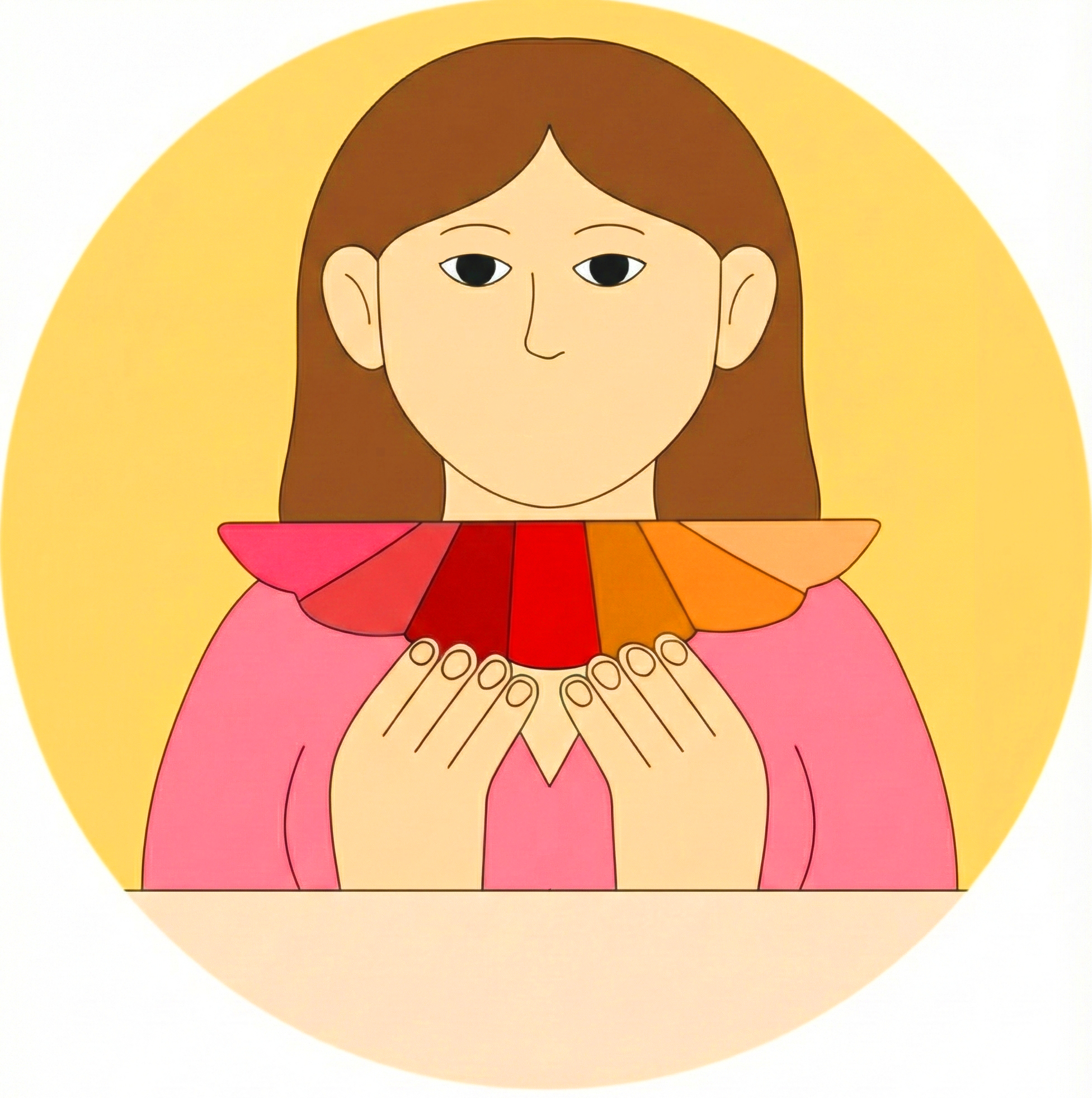
Welcome to Every Three PM

Category: Personal Notes

  • Personal Color Analysis: Everything K-Beauty Reveals About Your ‘Skin Tone MBTI’

    Personal Color Analysis: Everything K-Beauty Reveals About Your ‘Skin Tone MBTI’

    Korean Personal Color Analysis is one of the biggest keywords in K-Beauty right now, but is it just a fleeting trend? Imagine walking into a massive K-Beauty store in Seoul. You simply want a red lipstick. But here, you face a famous K-Beauty commandment:

    “There is no such thing as the same Red under the sky.”

    It implies that literally no two shades are alike. There isn’t just “Red.” There is Chili Red, Brick Red, Cherry Red, Apple Red, and Rose Red. K-Beauty has reached the absolute peak of subtle color nuances. Without a guide, you are lost in this ocean of choices. That is why you need Personal Color Analysis. It is not just vanity; it is a “Survival Map” to navigate these millions of options!

    Why You Need Korean Personal Color Analysis: The Maze of Colors

    Because of this overwhelming variety, Koreans treat skin tone almost like a science. Just as we introduce ourselves with our MBTI (“I’m an ENFP!”), we also categorize our faces.

    • “I’m a Cool Summer Light.”
    • “I’m a Dark Winter.”

    It can almost sound like a clinical diagnosis—but in Korea, this label isn’t about restriction. It’s about self‑understanding through expert validation. With help from a professional, you receive a shared language to describe your natural features. That single result becomes a reference point you can apply across makeup, fashion, hair color, and accessories. It saves time, reduces guesswork, and helps you make consistent choices without starting from zero every time.

    Western vs. Korean Personal Color: Adding vs. Subtracting

    If you are from a Western background, you might find the Korean approach quite different. This creates a fascinating cultural clash:

    I read a review from a Western traveler who tried Personal Color Analysis in Seoul. When the expert held up a specific color swatch, she praised it saying, “Your face looks so bright and clear!” However, the traveler felt differently. She simply remarked, “But I look like a sick vampire.”

    This reaction perfectly sums up the difference:

    • The Western Way (Adding): Beauty is often about “More.” You add bronzer to look sun-kissed, healthy, and rich. If you like a color, you wear it. It is about Expression.
    • The Korean Way (Filtering): Beauty is often about ‘Filtering’ or ‘Subtracting.” We want to remove yellowness, redness, and dark circles. We want our face to look like a clean, blank canvas. It is about Optimization.

    Basically, Western makeup is like Painting, while Korean makeup is like Photoshop Editing.
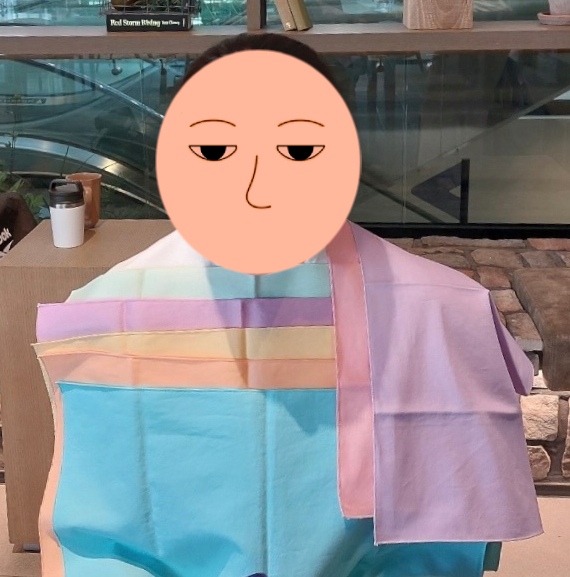
    I’m a Warm Spring.

    Finding My True Colors: A Journey of “Wrong” Choices

    However, knowing these strict rules shouldn’t turn into a restriction. I’m a ‘Warm Spring,’ and while I love my peachy tones, I refuse to be a slave to the data. I remember wearing a bold Purple Lipstick in college. It wasn’t about being rebellious; it was part of a journey of countless attempts to find myself.

    If I had known the strict rules of Personal Color back then, I might have hesitated to pick up that lipstick. But because I didn’t know, I was free to explore. That process of trial and error helped me discover my true colors—whether it’s a physical shade, my inner character, or my personal taste. All those experiences served as nourishment for my growth. So, let’s not box ourselves in with MBTI or color charts. True beauty comes from the freedom to explore beyond the boundaries.
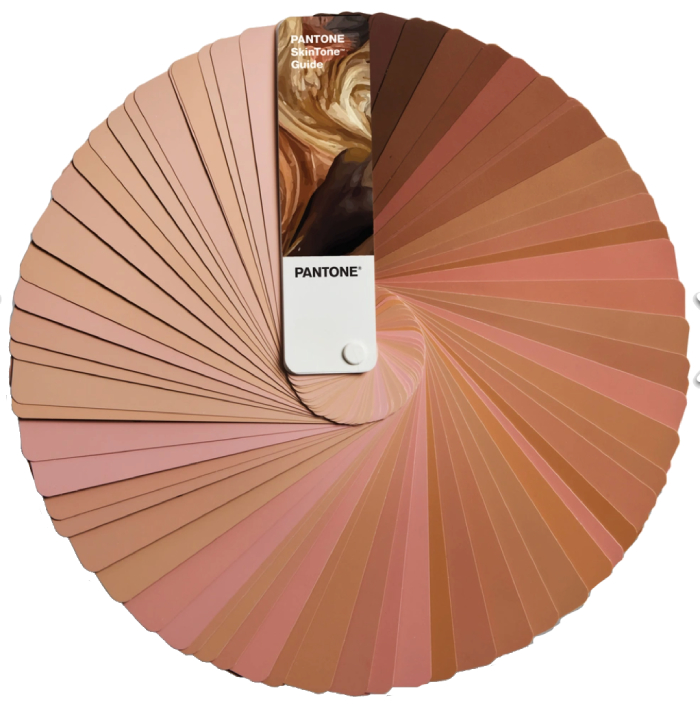
    PANTONE Limited Edition SkinTone Guide

    The global standard featuring 138 real skin tones: The Pantone SkinTone Guide (STG203)
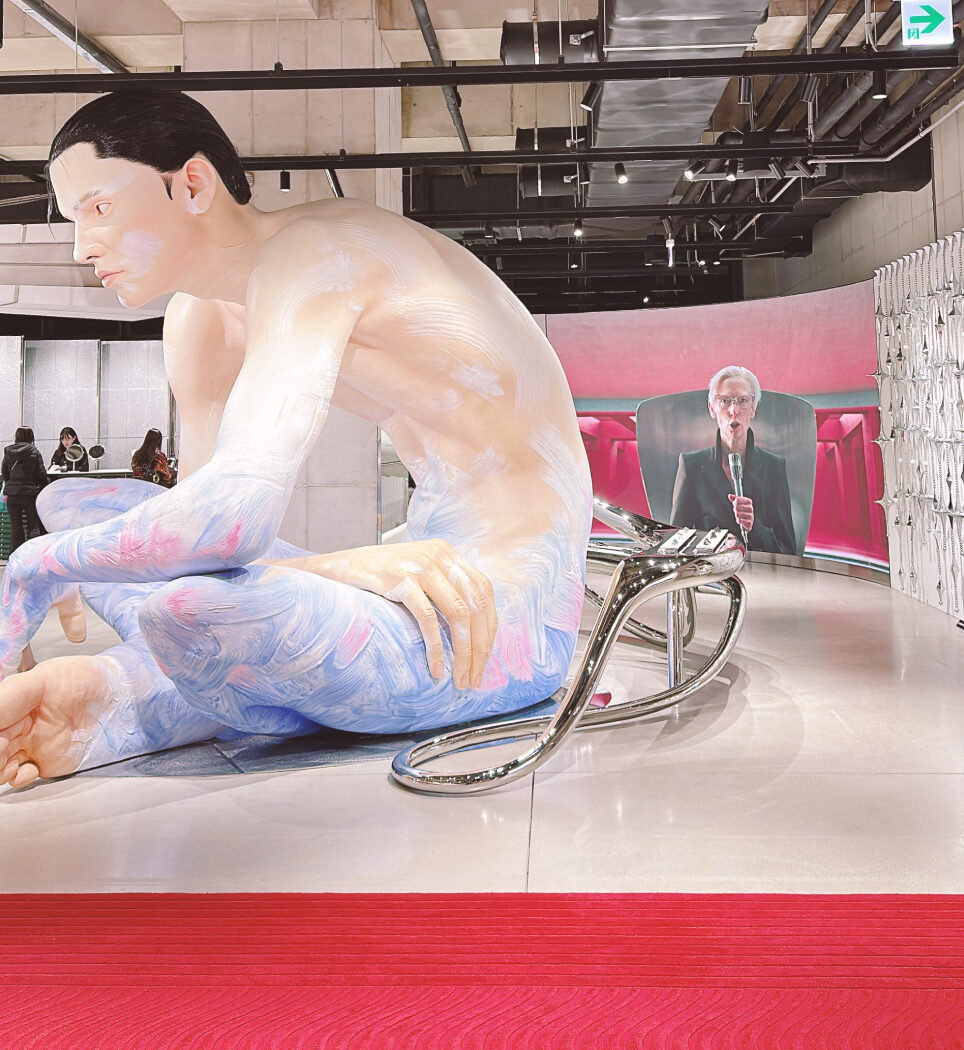
  • From Window Shopping to Art Hopping: How Seoul Turned Retail into a Gallery Experience

    From Window Shopping to Art Hopping: How Seoul Turned Retail into a Gallery Experience

    Meeting the Wizards of Display

    Before discussing the dynamic evolution of Seoul spatial branding, I must talk about where my inspiration began: London. When I first landed there, about 80% of the awe I felt came purely from its “exhibition spaces.” It felt as if every display guru on the planet had held a summit right there to define the future of retail.

    From galleries and museums to street-side shops, the way they interpreted space visually was different. It didn’t just “show” things; it whispered to you in a sophisticated, visual language.

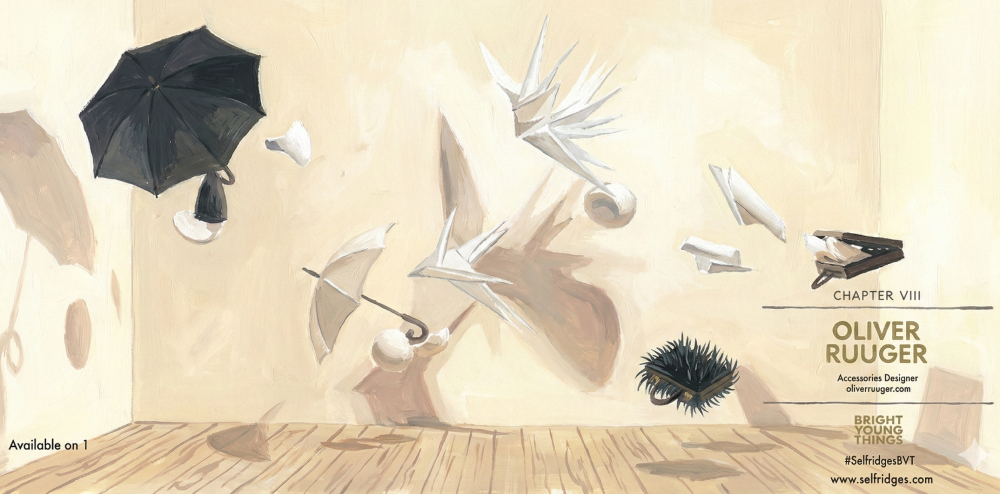
    A theatrical window display at Selfridges, London. Where products become part of a story.

    London: The Theater of the Streets

    Maybe it’s because London is a city that breathes theater and musicals. The ground-floor windows of department stores weren’t just glass cases; they were stages.

    I developed a weekly ritual of patrolling the perimeters of Selfridges and Liberty. These windows weren’t simply displaying products; they were displaying a flow of concepts. Even the tiniest prop seemed to be chattering away, telling a rich story where the product was merely a supporting actor.

    I would zoom in to see the details, then step back to take in the whole scene—a ritual necessary to fully process the visual feast.

    “A luxurious cultural life that cost zero pennies, yet filled my soul with extravagance.”

    It wasn’t shopping. It was a street-side musical, an open-air gallery available to anyone. That depth of emotion and effort I witnessed in London became a huge source of inspiration for me.

    Seoul: When Stores Become Galleries

    That thirst for spatial aesthetics I felt in Europe is now being quenched in Seoul.

    Starting in trend-setting districts like Dosan Park, Seongsu-dong, and Hannam-dong, the shift has been undeniable. You know Korea—once we start something, we have a tendency to go from 0 to 100 in seconds. The change is fast, positive, and absolute.

    Walking into Seoul’s hottest shops lately feels less like a retail trip and more like a visit to a modern art museum. We’ve moved away from the old formula of “cramming in as many products as possible.” The “Show Window” is dead; long live the immersive “Show Room.” This dramatic shift is what currently defines Seoul spatial branding.

    The Gentle Monster Paradox

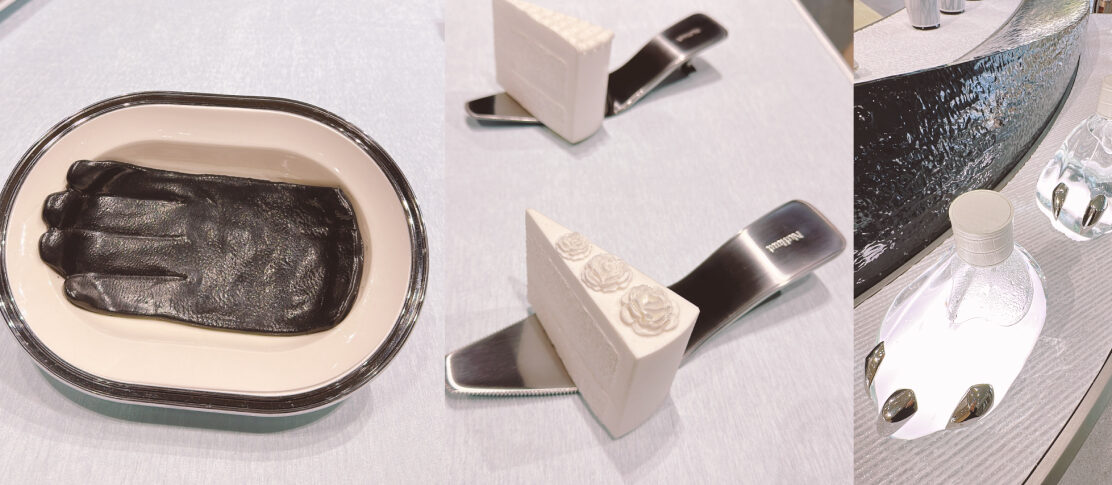
    Nuflaat leather gloves in a dish, a high-heel shaped dessert plate, and Tamburins PUPPY perfume line packaging.

    In this shifting landscape, the strategy of Gentle Monster offers a brilliant case study.

    Unlike fashion brands that flood the market with new SKUs every season, Gentle Monster sticks surprisingly close to their steady sellers. Instead of focusing on quantity, they obsess over quality.

    We are living in an era of product saturation, eco-anxiety, and consumption fatigue. Gentle Monster made a clever pivot here. They reduced the clutter of products and poured that energy into “Spatial Experience.”

    Their stores feature kinetic art so bizarre it’s mesmerizing, creating an overwhelming atmosphere that transcends the product itself.

    “We aren’t just selling eyewear; we are selling the Gentle Monster universe.”

    This investment elevates the brand’s perceived value. It turns customers into fans who buy into a philosophy, not just a pair of glasses. In a world drowning in “stuff,” this might be the most sophisticated survival strategy: creating value through experience, not just consumption.

    The New Grammar of Desire

    Brands are now curating, not cluttering. They tell detailed stories with fewer objects, seeking perfect harmony with the background.

    The irony? This minimalist, artistic approach triggers a stronger desire to possess. When products are arranged like an art installation, the synergy makes a single object scream “value.”

    “I don’t just want the item; I want to buy this entire vibe.”

    My observation that started with the windows of London has now evolved into a fascination with Seoul spatial branding. It’s a trend I’m more than happy to watch unfold.

  • Unique Korean First Birthday: 2 Modern DIY Favors to Thank Your Guests

    Unique Korean First Birthday: 2 Modern DIY Favors to Thank Your Guests

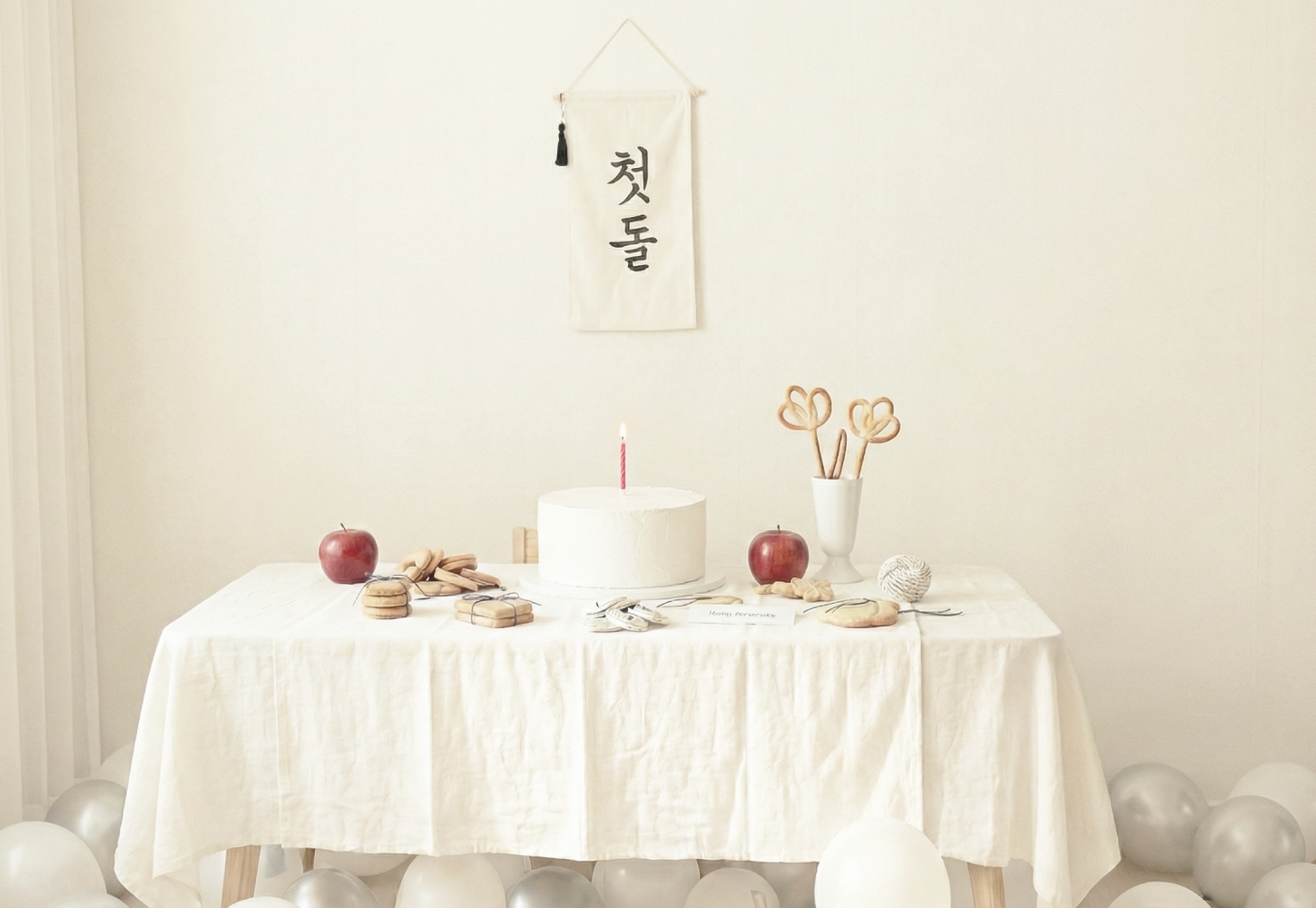
    In Korea, ‘Dol’ marks the most significant milestone: the very first birthday. As parents increasingly choose to self-curate these events with a pure ‘White Sketchbook’ concept, adding a personal touch becomes essential. To help you express gratitude to your guests, here are two minimalist ideas for DIY Dol party favors that are easy to make and perfectly match a modern black-and-white theme.

    For this special day, imagine a design concept reminiscent of a “Pure White Sketchbook”—reflecting the innocent, unwritten future of your child. The palette is simple: a chic base of black and white. By adding just one vibrant point color to this monochrome foundation, you can easily create a styling that is both modern and effortlessly stylish.

    The Scented Keepsake: DIY Clay Sachets

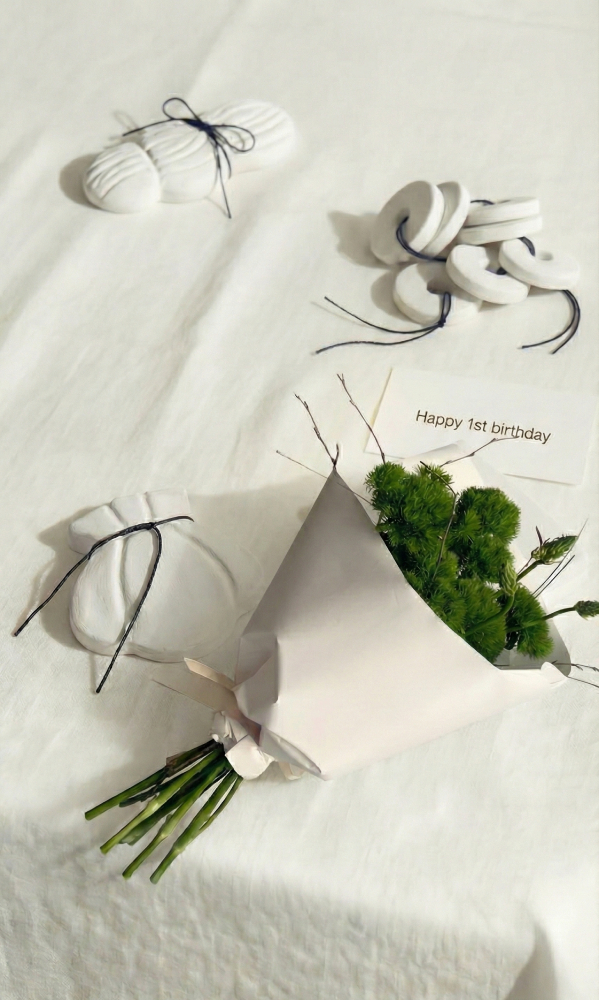
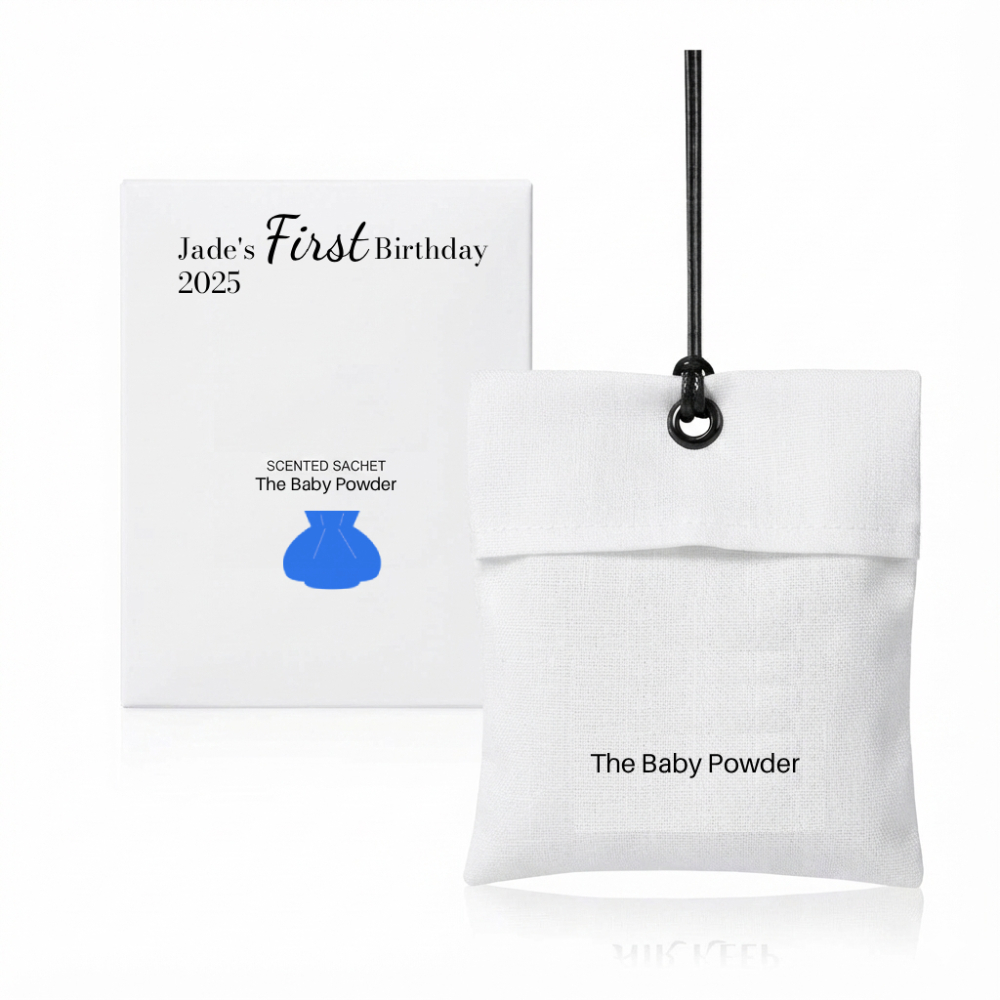
    Since Doljabi items vary depending on trends and preferences, crafting your own objects is a great alternative. In fact, creating DIY Dol party favors with clay is easier than you might think. By infusing fully dried clay pieces with perfume, you can produce a personalized sachet.

    Try using a soft baby powder fragrance to evoke the innocence of the occasion. These clay ornaments are simple to make and look elegant when simply packaged, serving as a lasting fragrant memory for your guests.

    The Perfect Favor: Doljabi Butter Cookies

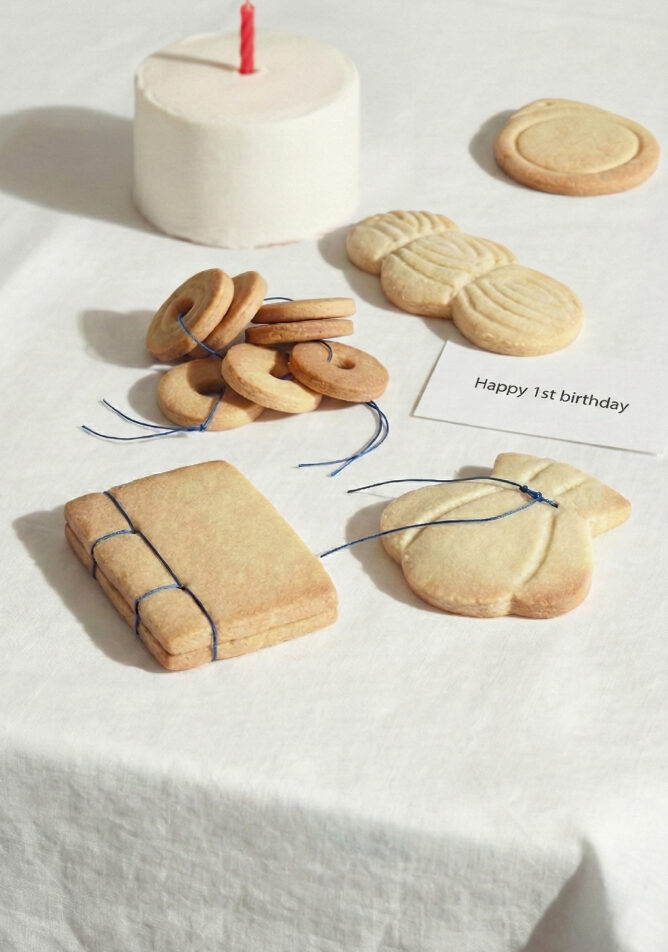
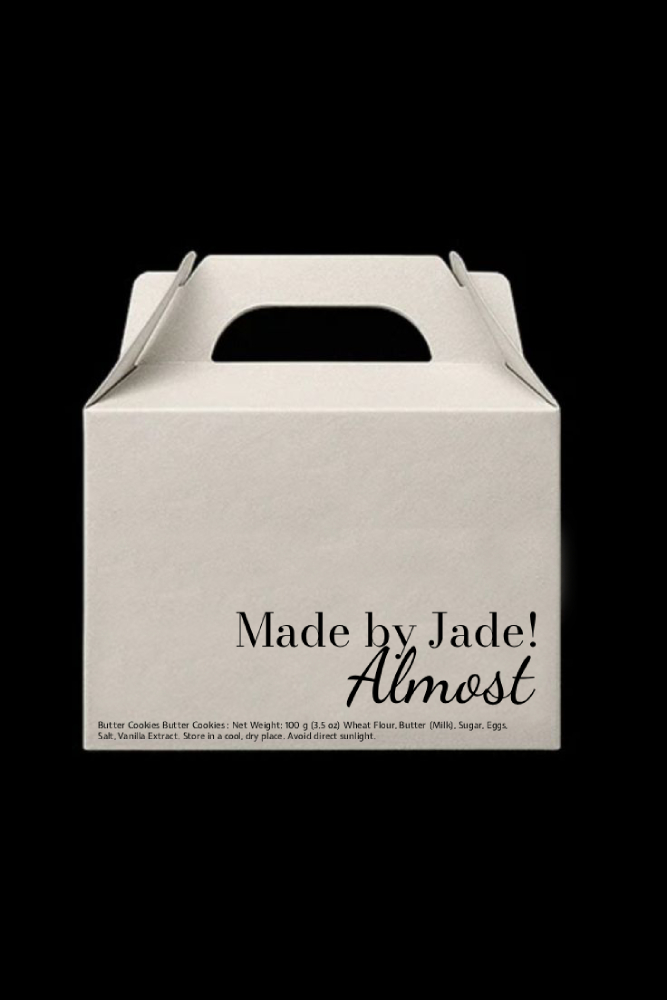
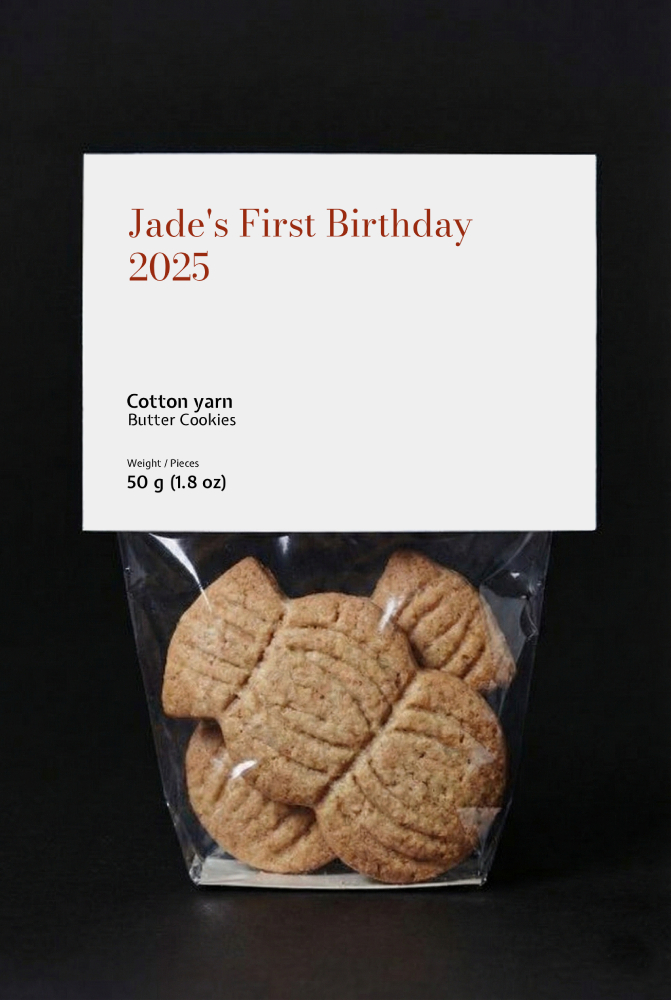
    If you prefer something edible, cookies are a classic treat loved by everyone. Instead of standard shapes, try baking butter cookies in the shape of traditional Doljabi items—like a gavel, thread, or pencil. These handcrafted treats, packaged with sincerity, make for a truly unforgettable gift that tastes as sweet as the celebration.

    For the first birthday, we want to ensure our guests leave with their hands full of love. In Korea, preparing small return gifts is a polite and cherished custom. Hopefully, these DIY Dol party favors will make your celebration even more memorable and heartfelt.

    Read more : https://everythreepm.com/doljabi-korean-first-birthday/

  • Make-a-runs, Macarons!

    Make-a-runs, Macarons!

    EverythreePM making macarons

    Looking back at the macarons I’ve created over time, I can see how much experimentation, precision, and emotion are packed into these small, colorful treats. For instance, choosing the right color combinations, crafting the perfect filling, and achieving macaron shells with the ideal balance of chewiness and crispness is always a new and exciting challenge in my macaron-baking journey.

    Each batch forces me to carefully read the day’s conditions—temperature, humidity, and dryness—and consequently, adjust the meringue strength and drying time accordingly. Indeed, the process can be meticulous and sensitive, but when everything aligns and the results match exactly what I envisioned, the satisfaction is unforgettable. That thrill, in fact, is what keeps me coming back to bake macarons again and again.

    Specifically, this meticulousness often centers on the ‘feet’—the delicate ruffled base that defines a perfect macaron. My journey has involved countless trials to find the right aging time for egg whites or likewise, the perfect speed for the initial meringue whip. Furthermore, I dedicate time to mastering the macaronage process, ensuring the batter flows like a slow ribbon without overmixing—a crucial moment where structure meets texture. Ultimately, these small, calculated adjustments are the unsung victories of the three o’clock bake, transforming raw ingredients into a masterpiece of confectionery science and art.

    The Highlight: A Personal Touch of Joy

    However, my favorite part is the packaging. Thinking about the person who will receive the macarons, sketching ideas, designing the presentation, and then assembling the final box feels like adding a personal touch of joy. Clearly, it’s the highlight of the entire process.

    In conclusion, for me, making macarons is more than baking. It’s a full creative experience—balancing color, flavor, texture, air, time, and emotion to create a small world inside each macaron. Therefore, I look forward to the next batch.

    Designed as New Year’s gifts for 2025, the Year of the Blue Snake, this set features our symbolic blue snake and red sun macarons.

    Read More https://everythreepm.com/salt-muscle-bread-recipe-fail-baking-lesson/

    Visit here for more complete and high-quality ideas. https://www.youtube.com/@thescranline

  • Is It a Treat or True Love? The Complex Read of a Dog’s ‘Hot Gaze’

    Is It a Treat or True Love? The Complex Read of a Dog’s ‘Hot Gaze’

    Decoding the Canine Conundrum

    Experts often highlight standard patterns when interpreting dog body language: scratching the floor means anxiety, a tucked tail signals caution, and licking the nose suggests stress. This system is admittedly simpler than ours. But does one size fit all? If someone declared my flushed face meant, “You must be embarrassed,” I’d feel pretty wronged. It could be menopause, heat, or maybe I’m just bottling up rage.

    We don’t read human body language by looking only at a face’s color. A complex input of expressions, eye contact, voice, breathing, and tone allows us to decode even the subtlest signals. Meaning is only fully complete when these multiple layers of information intersect.

    The Unlikely Partnership

    This quest for meaning began when an unexpected connection found its way to someone who never cared much for animals: my friend’s dog, Toto, who occasionally stays with me. At first, I was stiff and nervous. I worried my inexperience with dogs would show, and while I wanted to make my guest comfortable, I was always wary of causing trouble. The moment after a walk or a bath—when he’d zoom through the house and climb every chair in a whirlwind of wadada-da chaos—left me absolutely bewildered. This, I later learned, was the common “Bichon Zoomies.” I remember freezing, picking up and putting down my phone, wondering if something was terribly wrong. Since then, I’ve started observing Toto’s every flicker of expression and slight gesture, desperate to crack the code beneath the fluff.

    After a few co-habitations, we’ve grown quite close. Thankfully, we’re both social, and our shared love of walks quickly built a bond. We also share a favorite routine: as soon as I start working with music on, Toto settles calmly under my chair, wearing a serene expression. When I tell him, “Toto, let’s study,” he takes his spot right away. (Korean proverb: A dog at a schoolhouse three years recites a poem. I wonder if Toto is about to speak…)

    The Weight of a Gaze

    In the quiet room, broken only by the sound of the keyboard, I suddenly feel a weighty gaze directed right at my skull. I look up, and there they are: Toto’s moist, black circles fixed on my face. He doesn’t flinch when our eyes meet. If I ask, “Why are you staring at me?” he’ll slightly turn his head, but his gaze quickly returns. The way he avoids shifting his head while darting only his eyes to observe me is subtly adorable.

    Honestly, I’m still confused—is this the ‘Treat Signal’ or an expression of ‘True Affection’? When he nudges my leg, it’s a definite “I’m peckish!” But for all the complex possibilities, I choose to interpret it simply as love and answer with a smile. I let that cute, pure face melt away the true meaning, embracing it as affection, even if it is a human delusion.

    The Toto Effect: Softening the Social Edges

    What’s truly fascinating is how taking Toto out on a walk temporarily thaws the rigid Korean social ice. Even the sternest-looking ajussi will lean down and ask Toto, “Where are you going?” I find myself doing the same. I catch myself smiling at a stranger’s dog—something I would never have done before—extending my hand for a quick, friendly greeting.

    I’ve come to believe that the stiffness in our societal greetings and expressions stems from the sheer volume of unnecessary judgment and over-interpretation we impose on others. We try too hard to decode too many hidden meanings, leading to misunderstandings, caution, and withdrawal.

    The Unspoken Contract and The Simple Gaze

    Toto’s non-judgmental, simple language offers the antidote. When we look at strangers with his eyes—clear, non-judgmental, and full of quiet curiosity—we remove the burden of over-analysis. Our friendly gestures then become just that: light, genuine greetings that ask for nothing in return. He didn’t just teach me how to read a dog; he taught me how to offer a clearer, simpler vision of humanity, free from the weight of judgment. And in return, my “human delusion” of love becomes the ultimate, most comforting truth we both share. 🐾

    ↗https://www.akc.org/expert-advice/training/how-to-read-dog-body-language/